Introduction
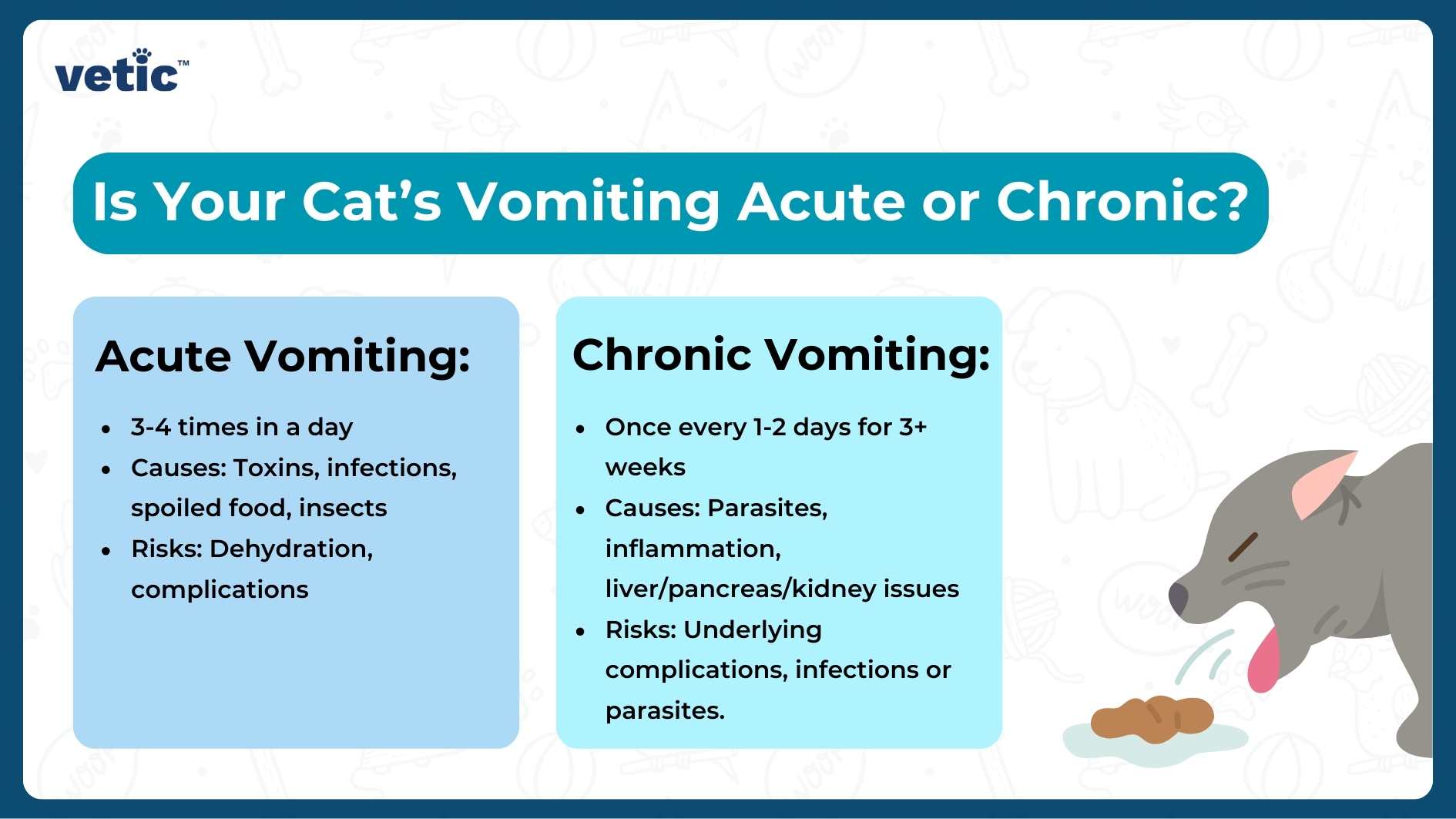
Daily vomiting is not normal for a cat. One isolated episode may come from eating too fast or a mild stomach upset, but vomiting every day can signal a medical problem that needs veterinary care.
Common causes include hairballs, food intolerance, parasites, stomach disease, swallowed objects, kidney disease, liver disease, hyperthyroidism, and cancer. Some causes are mild. Others can become life-threatening within hours.
If your cat is vomiting daily, schedule a veterinary visit as soon as possible. Go to an emergency animal hospital in the United States if your cat cannot keep water down, seems weak, has a painful or swollen belly, vomits blood, or may have swallowed a toxin or object.
What Daily Vomiting May Mean
Daily vomiting means your cat is bringing up stomach or intestinal contents repeatedly over several days or more. It is different from an occasional hairball and should not be treated as a normal cat behavior.
Vomiting can cause dehydration, weight loss, low blood sugar, and changes in body salts. These risks are higher in kittens, senior cats, and cats with kidney, liver, or heart disease.
A cat may vomit soon after eating or several hours later. The timing, color, texture, smell, and other symptoms can help a veterinarian find the cause, but they cannot confirm a diagnosis at home.
Vomiting, regurgitation, or coughing?
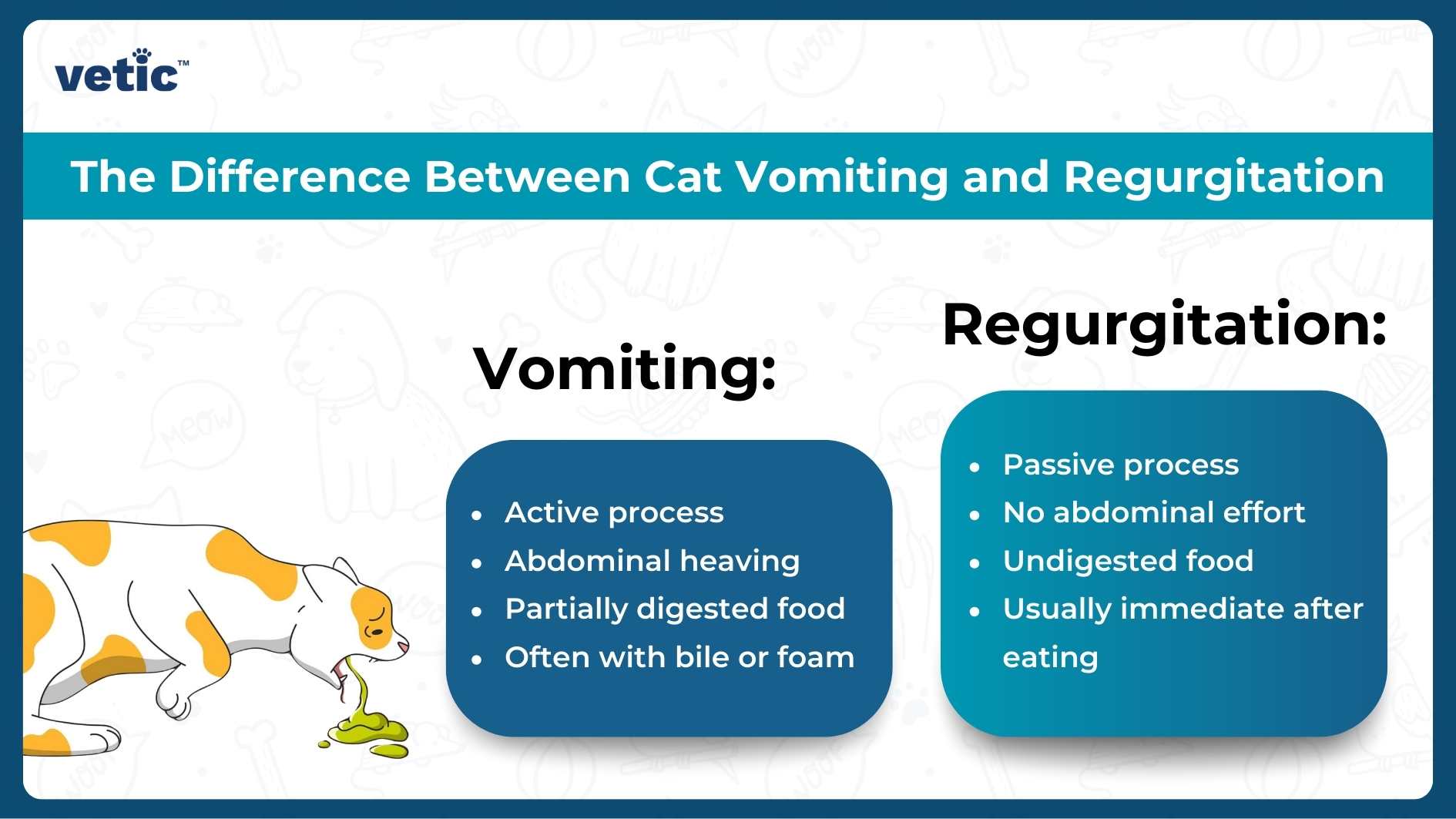
These problems can look alike but come from different parts of the body:
- Vomiting: The cat may drool, lick its lips, swallow often, retch, and tighten its belly before bringing up food or fluid.
- Regurgitation: Food comes up with little effort, often soon after eating. It may look like an undigested tube of food.
- Coughing: The cat may crouch with its neck stretched out and cough without bringing up food. A hairball is not always the cause.
A short video can help your veterinarian tell these events apart. Record one only if you can do so safely.
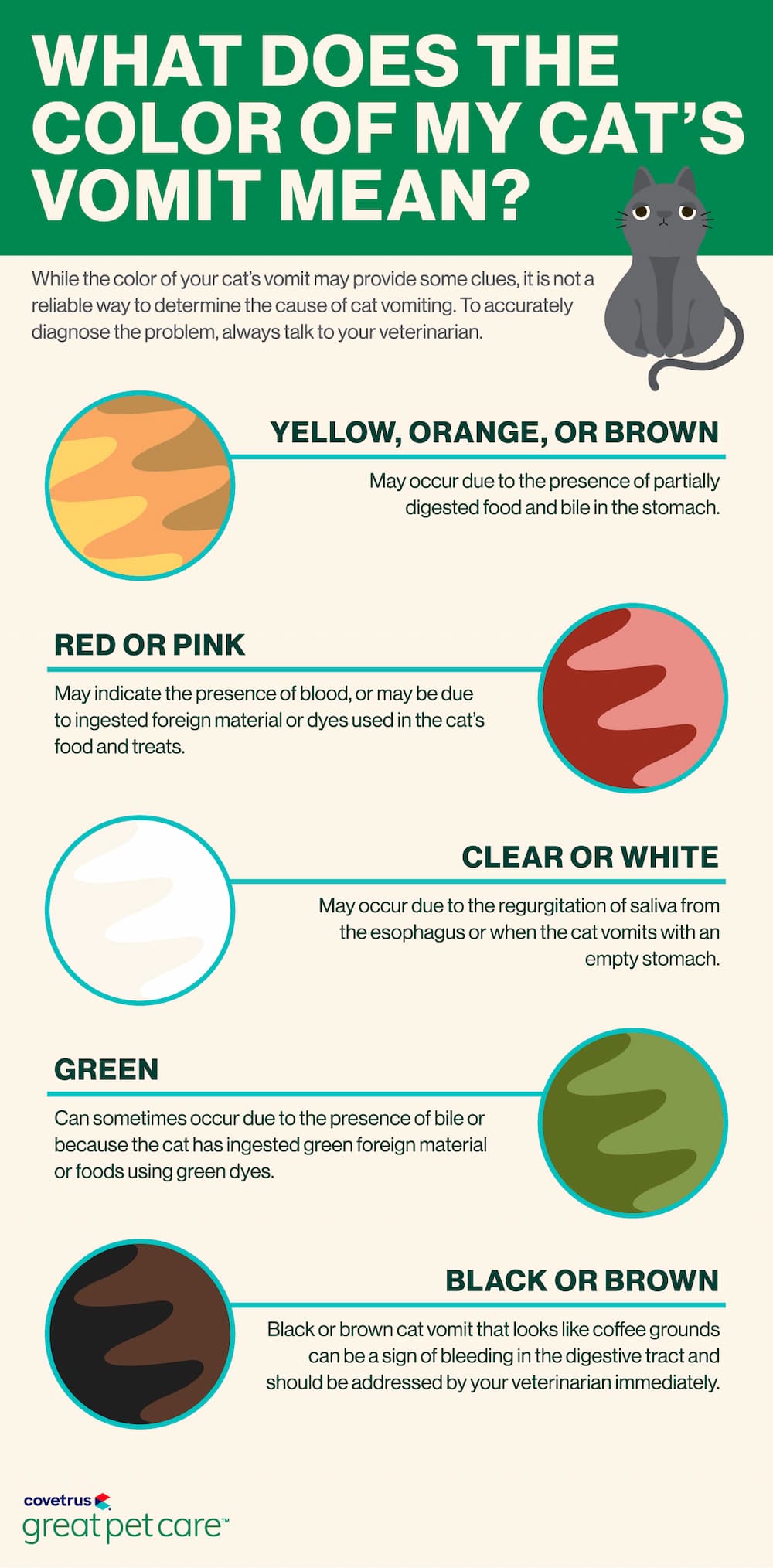
What does the vomit color mean?
Color offers clues but does not provide a diagnosis.
| Appearance | Possible meaning |
|---|---|
| Undigested food | Eating too fast, regurgitation, diet trouble, or an obstruction |
| Clear liquid or foam | Stomach irritation, an empty stomach, or another illness |
| Yellow fluid | Bile, often after the stomach has emptied |
| Hair | A hairball may be present, but repeated hairballs still need attention |
| Pink or red blood | Irritation or bleeding |
| Dark brown or coffee-ground material | Digested blood; treat as urgent |
| Green material | Bile or material from the diet; needs veterinary assessment if repeated |
Blood, dark material, or a foreign object in vomit warrants prompt veterinary advice. Do not assume that a “hairball” explains every episode.

Common Causes of Daily Vomiting in Cats
The cause may be in the stomach, intestines, another organ, or the cat’s environment. A veterinarian may need blood tests, stool tests, X-rays, ultrasound, or other tests to tell these causes apart.
Hairballs
Cats swallow loose fur while grooming. Most of that fur passes through the digestive tract in the stool. Some cats bring up a hairball from time to time.
Frequent vomiting, repeated unproductive retching, constipation, poor appetite, or weight loss should not be blamed on hairballs without an exam. A hairball can also be associated with a blockage.
Regular brushing may reduce loose fur, but it will not treat an intestinal disease or obstruction.
Food changes and food intolerance
A sudden switch in food, table scraps, rich treats, spoiled food, or eating too much can upset a cat’s stomach. Some cats also react poorly to a certain ingredient.
Make food changes slowly unless a veterinarian tells you to change the diet at once. Do not keep switching foods every day. This can make it harder to identify the problem and may worsen stomach upset.
A true food allergy is less common than many online sources suggest. A veterinarian may recommend a controlled diet trial if food sensitivity is suspected.
Parasites and infections
Roundworms, hookworms, Giardia, and other parasites can cause vomiting, diarrhea, poor growth, or weight loss. Indoor cats can still be exposed through contaminated soil, fleas, prey, shoes, or other animals.
Viral or bacterial illness may also cause vomiting. Kittens, unvaccinated cats, and cats with weak immune systems can become ill quickly.
A stool sample may help identify some parasites. Do not give an over-the-counter dewormer without veterinary guidance because products differ in safety and effectiveness.
Foreign objects and intestinal blockage
Cats may swallow string, ribbon, yarn, rubber bands, plastic, or small toys. These items can block the stomach or intestines or damage the gut.
Warning signs include repeated vomiting, refusing food, belly pain, hiding, weakness, constipation, or straining to pass stool. If string is hanging from your cat’s mouth or anus, do not pull it. Pulling may tear the intestines.
A suspected blockage is an emergency. Treatment may require imaging and, in some cases, surgery.
Kidney disease
Chronic kidney disease is common in older cats. As kidney function declines, waste products can build up and cause nausea, vomiting, poor appetite, increased thirst, increased urination, and weight loss.
Sudden kidney injury can occur after exposure to certain toxins, severe dehydration, infection, or other illness. A cat that stops eating and vomits repeatedly needs prompt care.
Liver and gallbladder disease
Liver disease may cause vomiting, poor appetite, weight loss, yellow gums or eyes, increased thirst, or unusual behavior. Yellow coloring is called jaundice.
Cats that stop eating are at risk of hepatic lipidosis, also called fatty liver disease. This condition can become serious, especially in overweight cats. Do not wait several days for appetite to return.
Hyperthyroidism
An overactive thyroid gland mainly affects middle-aged and older cats. Signs can include weight loss despite eating, vomiting, diarrhea, restlessness, increased thirst, and a fast heart rate.
Hyperthyroidism is treatable, but the signs can overlap with kidney disease and diabetes. Blood testing is needed.
Pancreatitis and other digestive diseases
Pancreatitis can cause vomiting, poor appetite, tiredness, dehydration, and belly pain. Some cats show only vague signs, such as hiding or eating less.
Inflammatory bowel disease, stomach ulcers, food-related disease, and intestinal tumors can also cause repeated vomiting. Long-term vomiting needs a proper workup rather than repeated home treatment.
Toxins and medications
Common household hazards include:
- Human pain medicines, such as acetaminophen and ibuprofen
- Some plants, including lilies
- Antifreeze
- Rodent bait and insect products
- Essential oils
- Cleaning products
- Certain human foods
- Dog flea products containing permethrin
If poisoning is possible, call your veterinarian, an emergency animal hospital, or the ASPCA Animal Poison Control Center at 888-426-4435 in the United States. A consultation fee may apply.
Do not give hydrogen peroxide to a cat. Do not try to make your cat vomit unless a veterinarian or poison professional gives specific instructions.

When Cat Vomiting Is an Emergency
Seek emergency veterinary care now if your cat has daily vomiting plus any of these signs:
- Cannot keep water down
- Vomits repeatedly over a short period
- Has blood or dark material in the vomit
- Has a swollen, tense, or painful abdomen
- Is weak, collapsed, confused, or difficult to wake
- Has pale, white, blue, or yellow gums
- Has trouble breathing
- Strains to urinate or produces little or no urine
- May have swallowed string, a toy, medication, or poison
- Has severe diarrhea or black, tar-like stool
- Is a kitten, very old cat, or has a serious health condition
- Has stopped eating, especially if overweight
Male cats that strain in the litter box may have a urinary blockage rather than constipation. This is a life-threatening emergency and needs immediate treatment.
If none of these signs are present, daily vomiting still deserves a prompt appointment. Do not wait for severe symptoms before calling your regular veterinarian.

What to Do Until Your Cat Sees a Veterinarian
The safest home care is supportive, brief, and cautious. It should not replace an exam when vomiting happens daily.
- Call your veterinarian. Explain how often your cat vomits, when it began, and whether your cat is eating, drinking, urinating, and passing stool.
- Remove access to hazards. Secure plants, medications, string, chemicals, human food, and small objects.
- Keep fresh water available. Do not force water into your cat’s mouth. If your cat vomits each time it drinks, seek urgent care.
- Do not give human medicine. Many common drugs are dangerous to cats.
- Do not induce vomiting. Cats can suffer serious injury from unsafe methods.
- Save useful evidence. Take a photo of the vomit, note its color and contents, and bring packaging if a toxin may be involved.
- Follow the clinic’s feeding advice. A veterinarian may suggest a short food break or small meals, but prolonged fasting can be risky for cats.
Do not use hairball laxatives, oils, antacids, or prescription drugs unless your veterinarian recommends them for this cat. Even products made for pets may be unsafe with an obstruction, dehydration, or another illness.
What information should you track?
Write down:
- The number of vomiting episodes
- The time of each episode
- Whether it happened before or after eating
- Food, hair, blood, or foreign material in the vomit
- Appetite and water intake
- Urination and bowel movements
- Weight changes
- New foods, medicines, supplements, or flea products
- Possible access to plants, chemicals, string, or human medication
This record can help the veterinarian choose useful tests and avoid delays.
How a Veterinarian Finds the Cause
A veterinarian will start with a history and physical examination. They may check hydration, body weight, gum color, belly pain, temperature, heart rate, and the mouth for visible string or other problems.
Possible tests include:
- Complete blood count
- Blood chemistry and electrolyte tests
- Urinalysis
- Fecal testing for parasites
- Thyroid testing in older cats
- X-rays
- Abdominal ultrasound
- Tests for pancreatitis
- Endoscopy or biopsy in selected cases
The best test depends on the cat’s age, symptoms, physical findings, and risk of obstruction or toxin exposure. A normal first test does not always rule out disease. Some conditions need repeat testing or imaging.
Treatment may include fluids, anti-nausea medicine, a prescription diet, parasite treatment, treatment for an underlying disease, removal of a foreign object, or surgery. Anti-vomiting medicine can reduce symptoms, but it does not fix a blockage or toxin exposure.

Mistakes to Avoid
Assuming every vomiting episode is a hairball
Hairballs are common, but daily vomiting is not automatically a hairball problem. Repeated vomiting can point to digestive disease, an obstruction, or an illness elsewhere in the body.
Waiting because the cat still seems normal
Cats often hide pain and weakness. A cat may continue to act fairly normal while becoming dehydrated or losing weight.
Giving milk or human stomach medicine
Milk can worsen stomach upset in some cats. Human medicines can be toxic even at small doses. Ask a veterinarian before giving any drug or supplement.
Changing food too often
Frequent diet changes can make vomiting worse and blur the pattern. Follow one clear feeding plan from your veterinarian unless your cat develops an urgent reaction.
Pulling visible string
String can wrap around the tongue or anchor in the intestine. Pulling it may cause internal injury. Leave it in place and seek emergency care.
Fasting for too long
Cats should not be left without food for an extended period unless a veterinarian directs it. Cats that eat too little can develop serious liver problems, especially if they are overweight.
Frequently Asked Questions
Is it normal for a cat to vomit every day?
No. Daily vomiting is not normal, even if the cat seems active or produces hair. Arrange a veterinary appointment promptly.
How long can I monitor a vomiting cat at home?
For a single mild episode in an otherwise healthy adult cat, brief monitoring may be reasonable. Daily vomiting, repeated episodes, poor appetite, or any warning sign calls for veterinary advice rather than continued observation.
Should I stop feeding my cat after vomiting?
Ask your veterinarian for feeding instructions. Do not force food, but do not impose a long fast without guidance. Kittens, overweight cats, and cats with medical conditions may become ill quickly when they do not eat.
Can dry food cause daily vomiting?
Dry food is not automatically the cause. A cat may eat too quickly, react to an ingredient, overeat, or have an unrelated medical problem. The vomiting pattern matters more than whether the food is wet or dry.
Can I give my cat a hairball remedy?
Only use one if your veterinarian recommends it. A hairball product will not safely treat every cause of vomiting and may delay care for an obstruction or other illness.
Conclusion
A cat vomiting daily needs more than a hairball remedy or a food swap. The cause may be minor, but it may also involve dehydration, a blockage, poisoning, kidney disease, hyperthyroidism, or another condition that needs treatment.
Call your veterinarian promptly. Seek emergency care for blood, weakness, severe pain, repeated vomiting, toxin exposure, swallowed objects, breathing trouble, or inability to keep water down. Until your cat is examined, offer safe access to water, remove hazards, avoid human medicines, and record what happens.