Scoop daily; replace clumping litter weekly, non-clumping every 3–4 days; deep-clean monthly.
That is the short answer to how often should a litter box be changed. But the best schedule depends on your cat, your home, and the type of litter you use. I’ve cleaned hundreds of boxes in my own multi-cat home and while helping at a local shelter. In this guide, I break down how often should a litter box be changed with clear steps, pro tips, and science-backed advice so you can keep your cat healthy and your home fresh.
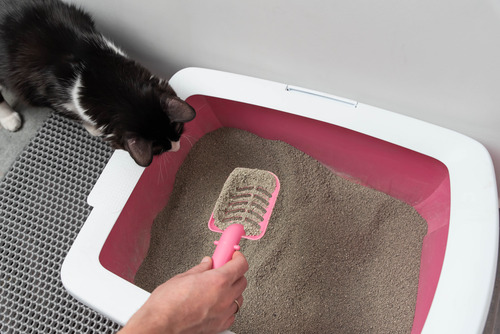
What “change the litter box” really means
Many people use change in different ways. Here is what most experts and shelters mean:
- Scoop means removing solids and clumps. Do this daily.
- Top off means adding fresh litter to keep depth right. Do this as needed.
- Full change means dumping all litter and refilling. Do this weekly for clumping, every 3–4 days for non-clumping.
- Deep-clean means washing and disinfecting the empty box. Do this every 2–4 weeks.
- Replace the box means buying a new tray when it is worn or scratched. Do this every 12–24 months or sooner if damaged.
Knowing these terms makes it easy to plan how often should a litter box be changed for your home.
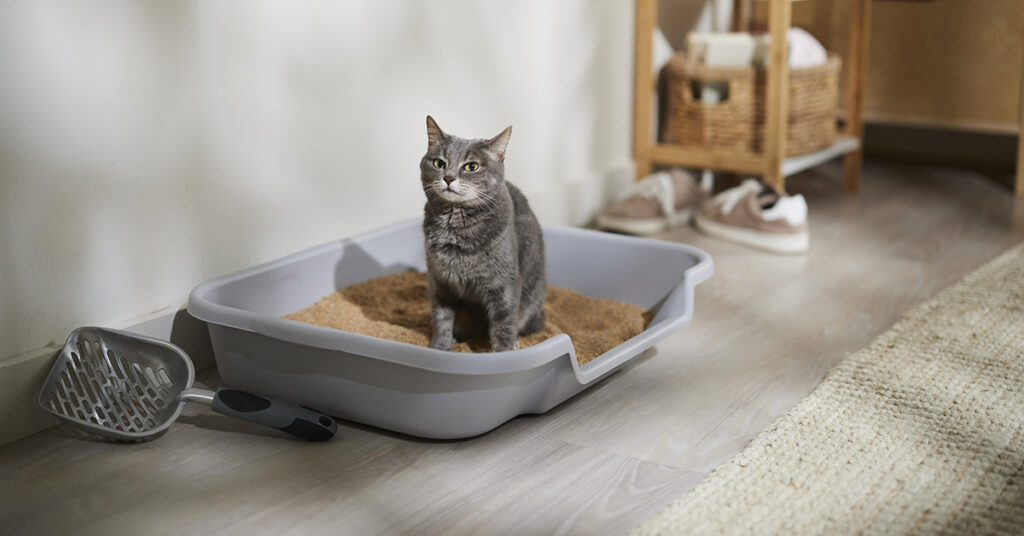
How often should a litter box be changed: the baseline schedule
Here is the reliable, simple schedule I recommend and use:
- Scoop solids and clumps 1–2 times per day.
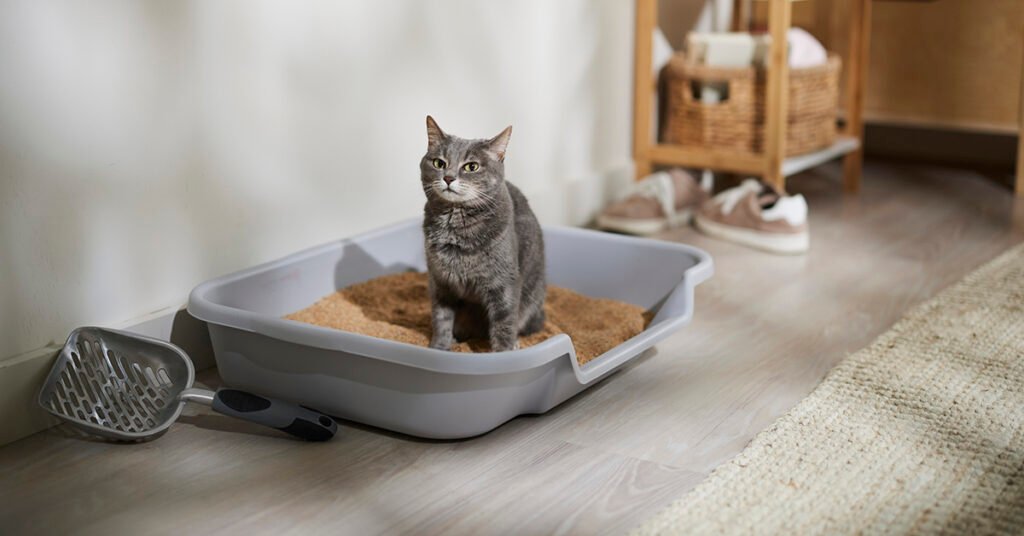
- Top off litter after each scoop to keep a 2–3 inch depth.
- Full change and wash once a week for clumping litters.
- Full change every 3–4 days for non-clumping litters.
- Deep-clean the empty box with warm soapy water every 2–4 weeks.
- Replace the whole box every 12–24 months or when scratched or smelly.
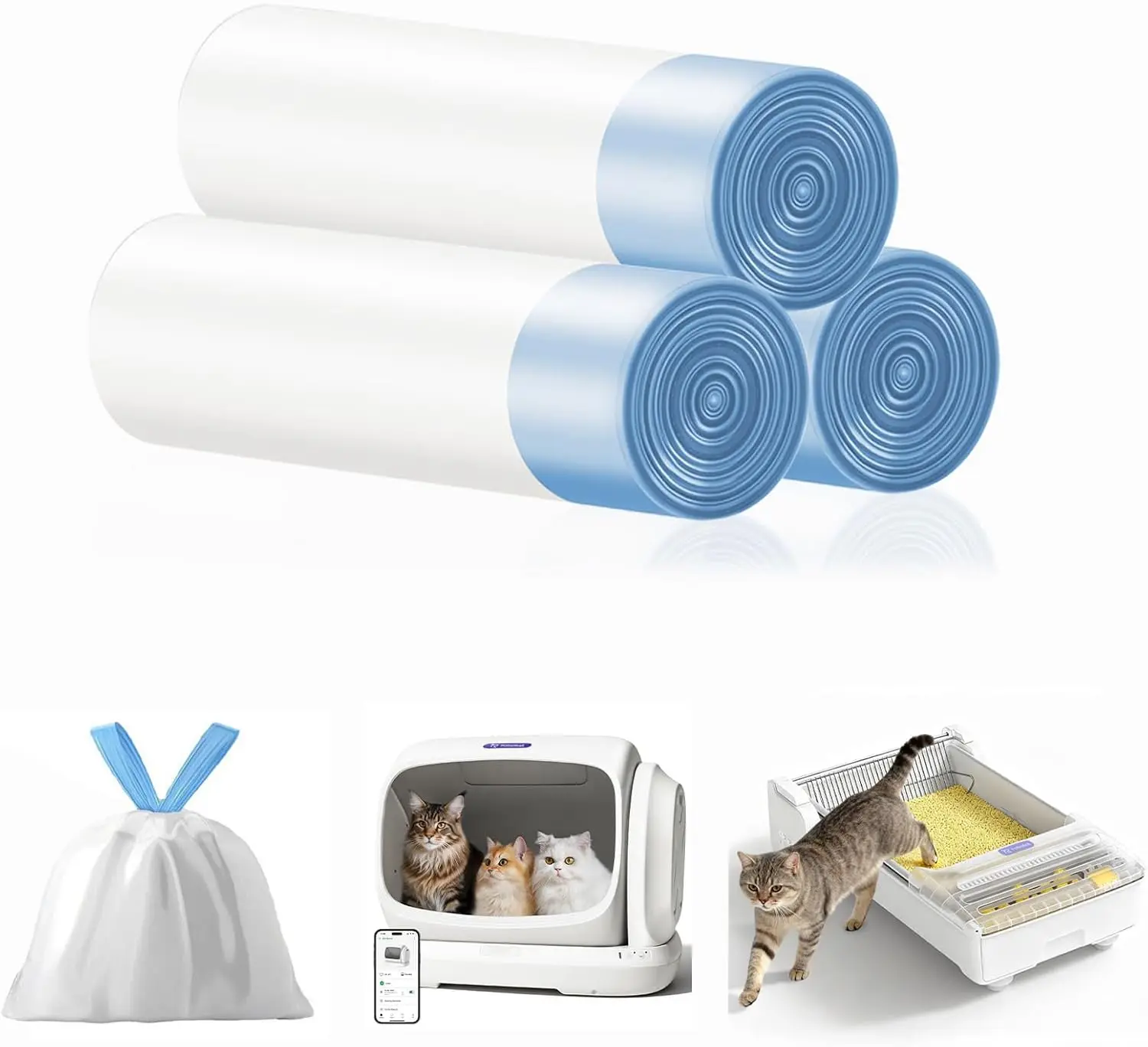
If you wonder how often should a litter box be changed in a busy home, use the shorter end of these ranges. For a self-cleaning box, still scoop stray waste, and do a full change and clean every 2–4 weeks, as makers suggest.
Personal note: With two adult cats, I scoop morning and night, do a weekly full change, and a monthly deep-clean. Odor disappears, and my cats use the box without drama.
Factors that change the schedule
How often should a litter box be changed varies with real-life details:
- Number of cats. More cats means more waste. Plan one box per cat plus one, and change more often.
- Litter type. Clumping clay lasts longest. Non-clumping, paper, or pine need faster full changes.
- Diet and water. High-moisture diets and strong-smelling foods can speed odor. Hydrated cats may pee more often.
- Health. Diarrhea, urinary issues, or high volume urine need quicker changes and a vet check.
- Box size and depth. Larger boxes with 2–3 inches of litter control odor better, so they last closer to a week.
- Covered vs uncovered. Covered boxes trap odor but can build ammonia. Ventilation helps.
- Room climate. Warm, humid rooms increase smell. Keep the area cool and airy.
When people ask how often should a litter box be changed, I start with these factors. Then I adjust based on what I see and smell day to day.
 routines that actually work”
style=”max-width: 100%; height: auto; border: 2px solid black; border-radius: 10px; display: block; margin: 0 auto;”
loading=”lazy”
/>
Daily and weekly routines that actually work
A simple routine beats any fancy trick:
- Morning. Scoop clumps and solids. Top off to 2–3 inches.
- Evening. Scoop again. Do a quick smell check and wipe edges if needed.
- Weekly. Empty all litter, wash with warm water and mild dish soap, dry, and refill with fresh litter.
- Monthly. Scrub the box and scoop with a soft brush. Rinse well and dry before refilling.
Small tools make this easy. Keep a metal or sturdy plastic scoop, a trash can with a tight lid, baking soda for light odor control, and gloves. For safety, pregnant or immunocompromised people should avoid cleaning due to Toxoplasma risk, or use gloves and a mask and wash hands well.

Signs you need to change sooner
Your nose and your cat will tell you how often should a litter box be changed:
- Odor lingers after scooping. That means a full change is due.
- Dark, wet patches stick to the bottom. The litter is saturated.
- Your cat paws at the side or refuses the box. That is protest behavior.
- Tracking and dust increase. The litter is breaking down.
- You smell sharp ammonia. That calls for an immediate full change and wash.
If any of these show up, reset the clock and change it now.

Multi-cat homes: special rules
How often should a litter box be changed with two or more cats?
- Provide one box per cat plus one extra.
- Spread boxes across different rooms to cut stress.
- Scoop after each use when you can, or at least twice a day.
- Do a full change every 3–5 days for clumping litter if boxes see heavy use.
- Deep-clean every 2 weeks if traffic is high.
When I fostered kittens with my adult cats, I added an extra jumbo box and swapped to a harder-clumping litter. That one change cut odor in half and kept the peace.
Litter types and how they affect frequency
Litter choice shapes how often should a litter box be changed:
- Clumping clay (sodium bentonite). Best for scooping and odor. Full change about weekly.
- Silica gel crystals. Good odor control and low dust. Stir daily, scoop solids daily, full change every 2–4 weeks, per use and maker advice.
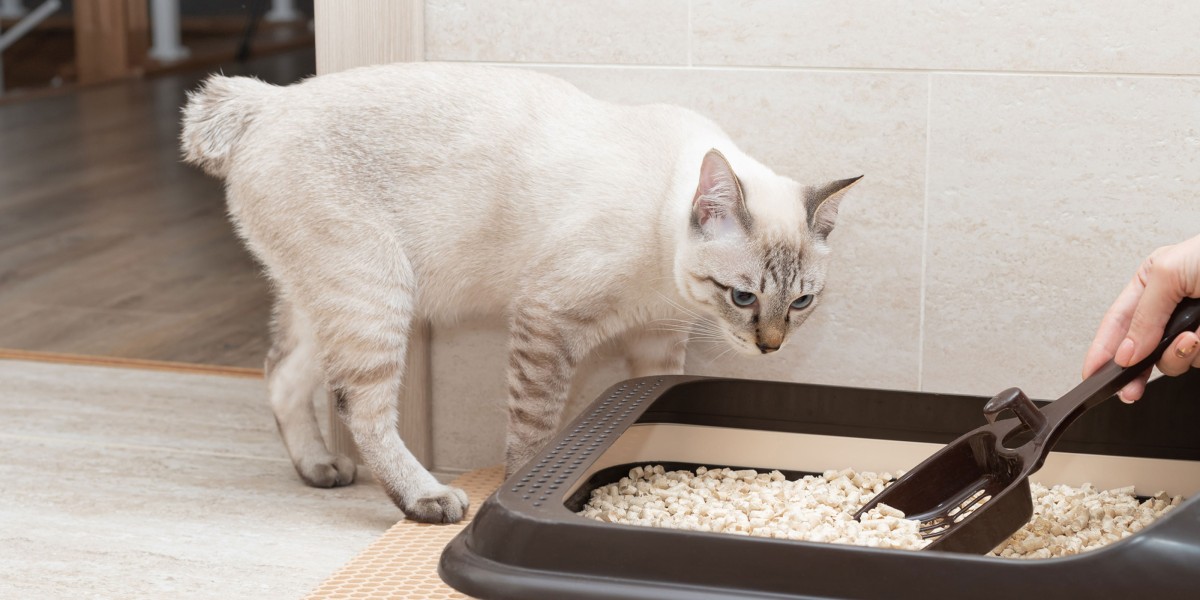
- Pine pellets. Great at absorbing urine. Scoop solids daily, sift or replace wet pellets every few days, full change weekly.
- Paper pellets. Soft and absorbent but can smell faster. Full change every 3–5 days.
- Plant-based clumping (corn, wheat, grass). Good clumps, lighter odor control. Full change every 5–7 days.
- Non-clumping clay. Budget-friendly but saturates fast. Full change every 3–4 days.
Avoid flushing any litter unless the label and your local rules allow it. Many places ban flushing due to Toxoplasma risks to waterways.
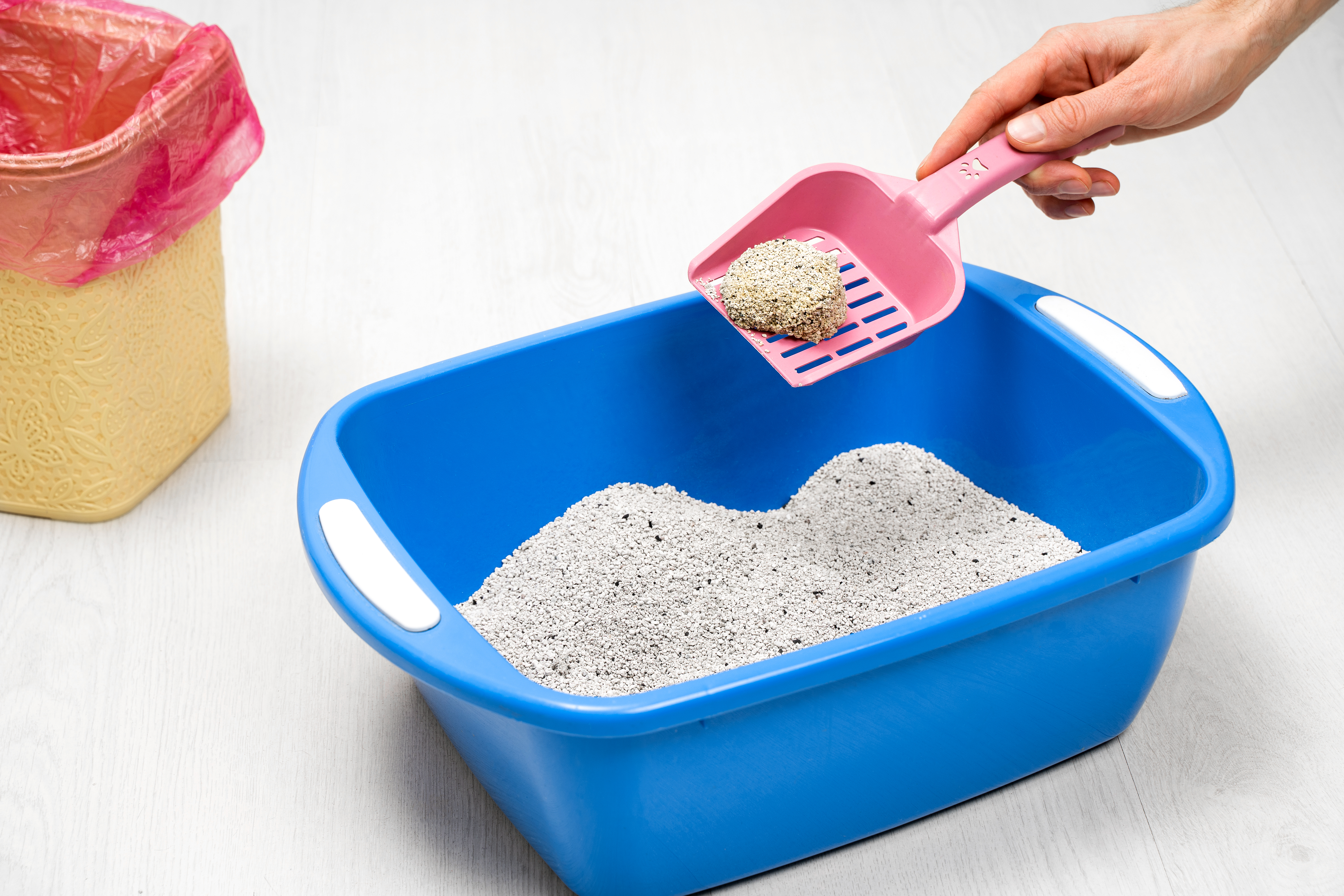
Step-by-step: how to change and deep-clean a litter box
Use this quick process for a full change and deep-clean:
- Gather gloves, scoop, trash bags, mild dish soap, brush, paper towels, and fresh litter.
- Dump all used litter into a bag. Tie and place in outside trash.
- Wash the box with warm water and mild soap. Avoid harsh bleach fumes; if disinfecting, use a diluted, pet-safe cleaner.
- Rinse very well and dry fully. Moisture makes litter stick and smell.
- Refill with 2–3 inches of fresh litter. For large cats, go closer to 3 inches.
- Wipe the scoop and mat. Wash hands.
Odor control and hygiene without harsh scents
You do not need heavy perfume to win the odor war:
- Ventilate the room with a fan or open window.
- Add a thin sprinkle of baking soda under the litter, not on top.
- Use activated carbon deodorizer near the box, not in the litter.
- Wash the scoop and litter mat weekly.
- Skip strong cleaners that leave residue. Cats have sensitive noses.
Most odor issues fade when you follow the base rule of how often should a litter box be changed: scoop daily, replace on schedule, and deep-clean monthly.
Health and safety notes
A clean box protects both pets and people:
- Ammonia fumes from old urine can irritate lungs and eyes.
- Cat feces may carry Toxoplasma. Pregnant people and those with weak immunity should not clean boxes if possible.
- Wear gloves, avoid touching your face, and wash hands after cleaning.
- Kittens under about 8–12 weeks may do better with non-clumping litter to avoid eating clumps.
- Watch for changes in urine size, blood, or straining. If you see these, call your vet.
These points come from common veterinary and shelter guidance on sanitation and zoonotic risk.
Eco-friendly disposal and cost-saving tips
You can cut waste and save money while staying safe:
- Buy litter in bulk and store dry to prevent clump breakdown.
- Use a metal or thick plastic box that lasts years, reducing plastic waste.
- Do not compost cat feces or urine for food gardens. Many cities require landfill disposal.
- Never flush cat waste unless local rules and the litter both allow it.
- Track how much litter you use per month. Small tweaks to depth and scooping can lower costs without more odor.
How often should a litter box be changed will still rule here. Eco steps work best when paired with a steady, clean routine.
Troubleshooting common litter box problems
Here is how I fix the issues I see most:
- Cat pees over the edge. Use a high-sided or top-entry box and place it in a quiet spot.
- Litter everywhere. Add a large mat, use a lower-tracking litter, and keep depth at 2–3 inches.
- Box avoidance. Clean more often, add another box, and avoid strong scents. If it continues, see a vet to rule out pain or stress.
- Sticky clumps on the bottom. Scoop more often, and try a harder-clumping or lower-moisture litter.
- Strong smell fast. Increase full changes, improve room airflow, and check diet and hydration.
Frequently Asked Questions of how often should a litter box be changed
How often should a litter box be changed for two cats?
Scoop at least twice daily, or after each use if you can. Plan a full change every 3–5 days for clumping litter and every 2–3 days for non-clumping.
Is it okay to change litter every two weeks?
For most homes, two weeks is too long without a full change. Weekly works for clumping litters, while non-clumping needs every 3–4 days.
Do self-cleaning litter boxes need changing less often?
They reduce scooping but still need a full dump and wash. Aim for every 2–4 weeks, and follow the maker’s guide and your nose.
How deep should the litter be to reduce smell?
Keep 2–3 inches so clumps form fast and urine does not hit the bottom. Larger cats may do better with closer to 3 inches.
Why does my box smell even after scooping?
Old, saturated litter and box residue hold odor. Do a full change and wash, dry well, and stick to your schedule for how often should a litter box be changed.
Can scented litter let me change less often?
Scent can mask odor but does not replace cleaning. Some cats dislike strong scents, so focus on scooping and timely full changes.
How often should I replace the actual litter box?
Swap it every 12–24 months or when scratched, warped, or still smelly after cleaning. Scratches trap bacteria and odor.
Conclusion
A clean litter box is simple math: scoop daily, change on time, and deep-clean each month. The real key to how often should a litter box be changed is watching your cat and adjusting for your litter type, home, and routine. Small, steady habits keep odor down and your cat happy.
Try the schedule that fits your home this week and note the difference. If you found this helpful, subscribe for more pet care guides, share your own tips in the comments, and help another cat parent master the box routine.