Introduction
If your cat is vomiting and refusing food, the safest choice in the United States is to call your veterinarian today. One mild vomit may pass, but vomiting plus no appetite can also signal pain, poisoning, a blockage, kidney disease, or another urgent problem. Cats can worsen quietly, so do not wait several days to see what happens.
Go to a U.S. emergency veterinary clinic now if your cat cannot keep water down, vomits blood, seems weak or painful, has trouble breathing, has a swollen belly, or may have eaten a toxin or foreign object.
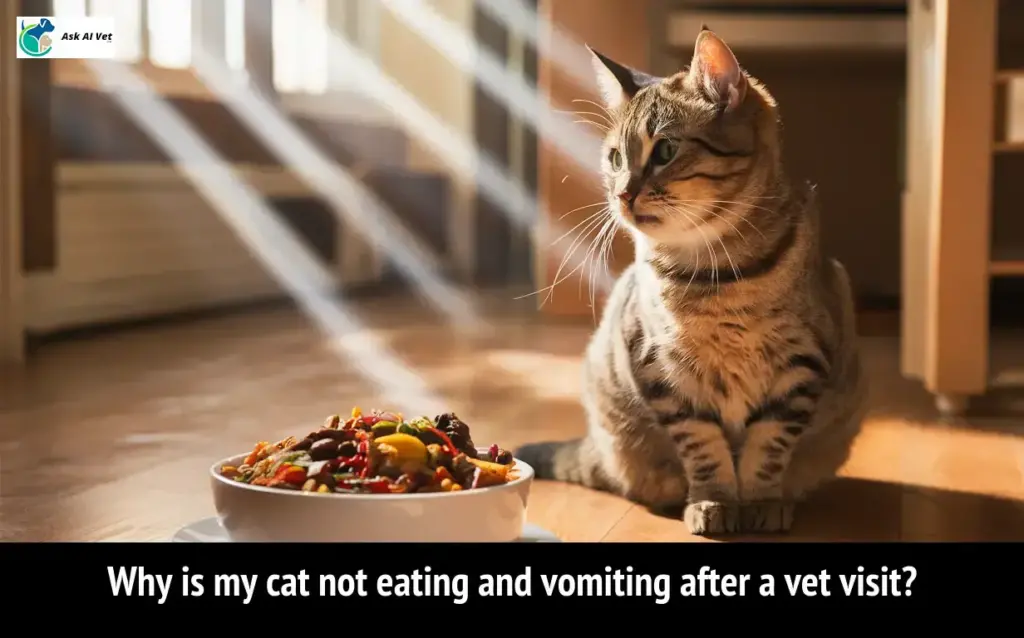
When vomiting and not eating is an emergency
Some signs need immediate veterinary care. The risk is higher for kittens, senior cats, overweight cats, and cats with diabetes, kidney disease, or other health problems.
Seek emergency care now if your cat:
- Vomits again and again or cannot keep water down
- Has blood in the vomit or vomit that looks like coffee grounds
- Has a painful, tense, or swollen belly
- Keeps retching but brings up little or nothing
- Becomes very weak, confused, cold, or difficult to wake
- Has pale, white, blue, or yellow gums
- Has trouble breathing
- Strains to urinate or produces no urine, especially if male
- Has diarrhea with blood or severe weakness
- May have swallowed string, ribbon, plastic, a toy, medication, or a toxic plant
- Has not eaten for about 24 hours, or less if the cat is young, ill, or overweight
A cat that stops eating is at risk of hepatic lipidosis, also called fatty liver disease. This can happen when the body rapidly moves stored fat to the liver. Overweight cats may face a greater risk, but any cat can become seriously ill after prolonged food refusal.
Do not pull string from your cat’s mouth or anus. It may be caught inside the digestive tract. Pulling it can cause a tear.
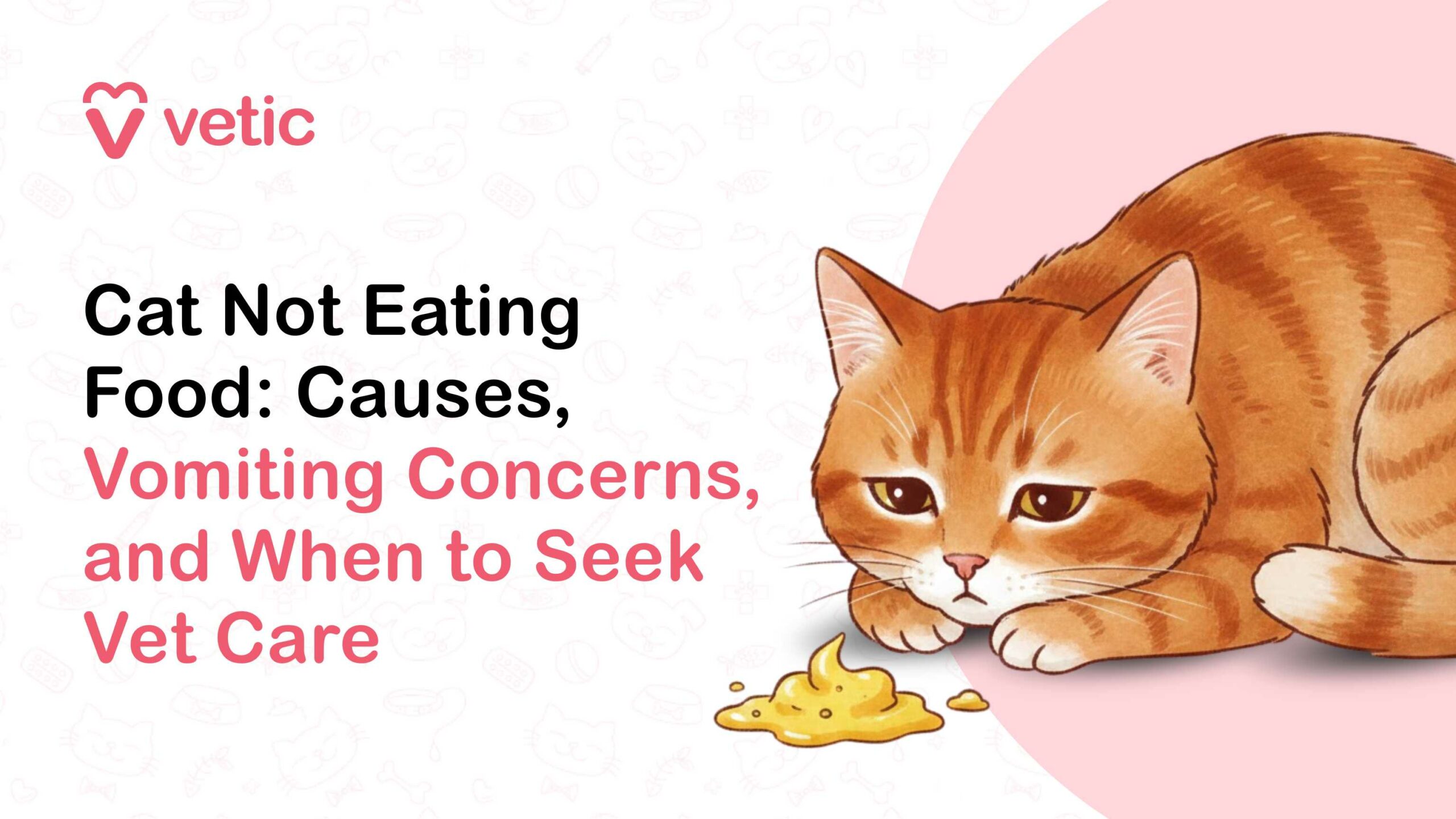
Common reasons a cat vomits and refuses food
Vomiting is a symptom, not a diagnosis. The cause may be mild, but the same signs can occur with life-threatening disease.
Stomach upset
A sudden food change, spoiled food, table scraps, grass, or eating too fast can upset the stomach. Some cats vomit once and then return to normal within a few hours.
Even with a simple stomach upset, your cat should be alert, comfortable, and able to keep small amounts of water down. Continued food refusal changes the concern.
Hairballs
Hairballs can cause gagging and vomiting. However, frequent vomiting, repeated dry heaving, or loss of appetite should not be dismissed as “just a hairball.”
A blockage can look similar. A veterinarian may need an exam and imaging to tell the difference.
Foreign-body blockage
Cats may swallow string, yarn, rubber bands, plastic, foam, or small toys. A blockage can cause vomiting, poor appetite, belly pain, constipation, or unusual hiding.
This is a medical emergency. Do not give laxatives, oil, or human medicine unless a veterinarian tells you to do so.
Poisoning or medication exposure
Common hazards include:
- Lilies and other toxic plants
- Human pain medicines, such as acetaminophen or ibuprofen
- Dog flea products containing permethrin
- antifreeze
– Cleaning products - Rodent poison
- Essential oils
- Chocolate, alcohol, and some human foods
If poisoning is possible, call a veterinarian or a U.S. animal poison service immediately. The ASPCA Animal Poison Control Center is 888-426-4435. Pet Poison Helpline is 855-764-7661. Fees may apply.
Do not make your cat vomit unless a veterinary professional gives clear instructions. Hydrogen peroxide is not a safe home remedy for cats.
Pancreatitis
Pancreatitis is inflammation of the pancreas. Cats may show vague signs, such as not eating, vomiting, hiding, low energy, weight loss, or dehydration. Some cats do not show obvious belly pain.
A veterinarian may use blood tests, imaging, and the cat’s exam findings. Treatment can include fluids, nausea control, pain relief, and nutrition support.
Kidney or liver disease
Kidney disease can cause nausea, vomiting, dehydration, weight loss, and poor appetite. Liver disease may cause vomiting, weakness, yellow gums or eyes, and food refusal.
These problems are more common in older cats, but they can occur at any age. Blood and urine tests often help identify organ problems.
Diabetes and other metabolic problems
A diabetic cat that stops eating and vomits can develop diabetic ketoacidosis, a dangerous emergency. Signs may include weakness, dehydration, rapid breathing, and a sweet or unusual breath odor.
Other metabolic problems, infections, parasites, and cancer can also cause vomiting and appetite loss. Only an examination and suitable tests can separate these causes.
Mouth pain or trouble swallowing
Dental disease, oral wounds, a lodged object, or throat pain may make a cat appear picky. The cat may approach food, sniff it, and walk away.
Do not force open the mouth if your cat is painful. A veterinarian can examine the mouth safely and look for dental disease or an obstruction.

What to do at home while you arrange care
Home care is only reasonable when your cat vomited once, is bright and comfortable, has no warning signs, and can keep water down. It should not replace veterinary care if the vomiting continues or your cat still refuses food.
- Remove access to hazards. Keep plants, chemicals, medications, string, and small objects away from your cat.
- Offer small amounts of fresh water. Do not force water into the mouth. If even small sips trigger vomiting, seek urgent care.
- Call your regular veterinarian. Explain how often your cat vomited, what the vomit looked like, when your cat last ate, and any possible exposure.
- Ask before changing the diet. A veterinarian may suggest a specific food or feeding plan.
- Track symptoms. Record the time of each vomit, water intake, urination, stool, behavior, and food offered.
- Keep your cat quiet and indoors. Stress and activity can make monitoring harder.
Do not give Pepto-Bismol, aspirin, ibuprofen, acetaminophen, antacids, laxatives, or other human drugs unless a veterinarian specifically prescribes them. Many human medicines are poisonous to cats.
Do not force-feed a nauseated cat. Force-feeding can worsen nausea and may cause food to enter the airway. It can also make cats develop a strong dislike of food.

How a veterinarian may find the cause
The vet will first assess hydration, temperature, heart rate, breathing, belly pain, mouth condition, and overall behavior. The history matters too. Tell the clinic about diet changes, access to plants or medicine, recent surgery, travel, other pets, and any missing objects.
Possible tests include:
- Blood tests for infection, organ function, blood sugar, and dehydration
- Urinalysis
- Fecal testing
- X-rays for blockage or other abdominal problems
- Ultrasound for soft-tissue disease or pancreatitis
- Specific tests for conditions such as pancreatitis or diabetes
Treatment depends on the cause. It may include fluids, anti-nausea medicine, pain control, deworming, a prescription diet, hospitalization, or surgery.
A normal early test does not always rule out disease. Some conditions develop over time, and a cat’s symptoms may guide repeat testing or imaging.

How long can a cat go without eating?
A cat should not go without food for long. Contact a veterinarian if your adult cat has refused food for about 24 hours. Call sooner for a kitten, senior cat, overweight cat, or cat with a chronic illness.
The exact risk depends on body condition, hydration, illness, and how much food the cat normally eats. A cat that eats almost nothing for several days can develop serious liver problems.
Do not wait for dramatic symptoms. Cats often hide illness, and appetite loss may be the first visible clue.

Vomit color and what it may mean
Vomit color can offer clues, but it cannot confirm the cause.
| What you see | Possible meaning | What to do |
|---|---|---|
| Clear fluid or foam | Stomach fluid, nausea, or an empty stomach | Call if it repeats or appetite stays low |
| Yellow or green fluid | Bile | Same-day vet advice if paired with food refusal |
| Food | Eating too fast, stomach upset, or delayed stomach emptying | Watch closely; seek care if repeated |
| Hair | Hairball or irritation | Do not assume it is harmless if the cat is not eating |
| Red blood | Fresh bleeding | Emergency veterinary care |
| Dark brown or coffee-ground material | Digested blood | Emergency veterinary care |
| Possible string or plastic | Foreign body | Emergency care; do not pull it |
Take a photo of the vomit or bring a sample in a sealed container if your veterinarian requests it. This can help the clinical team.

What information should you give the vet?
A clear timeline helps the veterinarian choose the right tests. Write down:
- Your cat’s age, sex, weight, and known medical problems
- When vomiting began
- The number of vomiting episodes
- The color and contents of the vomit
- When your cat last ate a normal meal
- Whether your cat is drinking and urinating
- Whether there is diarrhea, constipation, coughing, or hiding
- Any new food, medicine, plant, cleaner, or flea product
- Any missing string, toy, or household object
- Recent travel, boarding, surgery, or contact with sick animals
If possible, bring the food package, medication label, plant name, or product container. Do not delay emergency care while collecting these items.
Common mistakes to avoid
Waiting because the cat still seems calm
Cats may remain quiet while seriously ill. A calm cat is not always a safe cat.
Blaming every episode on hairballs
Hairballs are common, but repeated vomiting and appetite loss need medical assessment.
Offering many foods at once
Several foods can worsen stomach upset and make it hard to know what your cat tolerated. Ask the vet which food to offer.
Giving home remedies
Oil, milk, peroxide, laxatives, and human medicines can cause harm or delay proper treatment.
Ignoring urination
A blocked urinary tract can cause vomiting, pain, and appetite loss. No urine or repeated straining is an emergency, especially in male cats.
Waiting for dehydration to become obvious
Dry gums, weakness, sunken eyes, and poor skin elasticity can occur after dehydration is already significant. A vet can assess hydration more reliably.

Key takeaways
- Vomiting plus not eating deserves a same-day call to a veterinarian.
- Go to an emergency clinic for repeated vomiting, blood, severe weakness, pain, breathing trouble, toxin exposure, or possible blockage.
- Never give human medicine or try to make a cat vomit without veterinary direction.
- Do not pull string from the mouth or anus.
- Food refusal can become dangerous, especially in overweight cats and cats with existing disease.
- Record symptoms and bring useful evidence, such as a medication label or photo of the vomit.
Frequently asked questions
Why is my cat throwing up but still drinking water?
Drinking is better than refusing all fluids, but it does not rule out a serious problem. If vomiting repeats, water comes back up, or your cat will not eat, contact a veterinarian the same day.
Should I give my cat food after it vomits?
Ask your veterinarian, especially if your cat has vomited more than once or has another illness. Do not force food. A vet may recommend small, measured meals of a suitable diet after nausea improves.
Is yellow vomit in a cat serious?
Yellow vomit often contains bile. One episode in an otherwise normal cat may not be an emergency, but yellow vomit with food refusal, weakness, pain, or repeated vomiting needs prompt veterinary care.
Can stress make a cat vomit and stop eating?
Stress can reduce appetite and may contribute to stomach upset. Still, do not assume stress is the cause until illness, poisoning, pain, and blockage have been considered.
What if my cat vomits once but acts normal afterward?
Remove hazards, monitor closely, and offer water without forcing it. If your cat vomits again, stops eating, becomes quiet, or develops any warning sign, call a veterinarian.
Conclusion
A cat that is puking and not eating may have a minor stomach upset, but the combination can also point to an urgent illness. Call your veterinarian today, and use an emergency clinic for severe or rapidly worsening signs. Until you get advice, prevent access to toxins and foreign objects, avoid human medicines and home remedies, and do not force food or water.
For further reading, consult guidance from the Cornell Feline Health Center, Merck Veterinary Manual, ASPCA Animal Poison Control Center, and the American Veterinary Medical Association.