

In the United States, a large dog usually weighs 50 to 100 pounds as an adult. Giant breeds often weigh 100 to 200 pounds or more. The exact number depends on the dog’s breed, sex, age, body frame, and health.
A 55-pound Labrador Retriever may be a healthy large dog. A 90-pound German Shepherd may also be healthy. Weight alone does not show whether a dog is fit. Body shape and body condition matter too.
What Counts as a Large Dog?
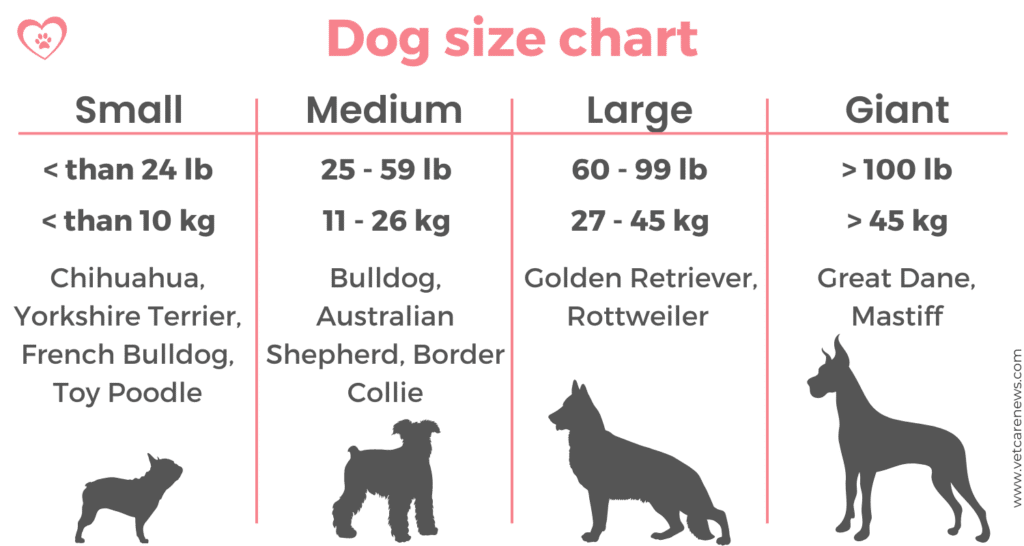
A large dog is often classed by adult weight, not height alone.
There is no single rule used by every veterinary group or kennel club. In common U.S. use, these ranges are a helpful guide:
| Dog size | Typical adult weight |
|---|---|
| Small | Under 25 pounds |
| Medium | 25–49 pounds |
| Large | 50–100 pounds |
| Giant | More than 100 pounds |
These are broad ranges, not strict limits. Some large dogs weigh less than 50 pounds because they have a light frame. Some muscular dogs weigh more than 100 pounds without being overweight.
The American Kennel Club uses individual breed standards rather than one universal size chart. For that reason, a healthy adult weight can vary greatly from one breed to another.
How Much Do Common Large Dog Breeds Weigh?
Most large dog breeds weigh between 50 and 100 pounds. Giant breeds may weigh far more.
The table below gives common adult weight ranges for several popular breeds in the United States. These figures are general breed-guide ranges. Individual dogs may fall outside them and still be healthy.
| Breed | Typical adult weight |
|---|---|
| Labrador Retriever | 55–80 pounds |
| Golden Retriever | 55–75 pounds |
| German Shepherd Dog | 50–90 pounds |
| Boxer | 50–80 pounds |
| Rottweiler | 80–135 pounds |
| Doberman Pinscher | 60–100 pounds |
| Siberian Husky | 35–60 pounds |
| Great Dane | 110–175 pounds |
| Mastiff | 120–230 pounds |
| Saint Bernard | 120–180 pounds |
| Newfoundland | 100–150 pounds |
| Bernese Mountain Dog | 70–115 pounds |
| Irish Wolfhound | 105–180 pounds |
Large dog weight examples
A few examples make the range easier to picture:
- A female Labrador Retriever may weigh about 55 to 70 pounds.
- A male German Shepherd may weigh about 65 to 90 pounds.
- A female Rottweiler may weigh about 80 to 100 pounds.
- A Great Dane may weigh more than 100 pounds, even when lean.
- A Mastiff may weigh 150 pounds or more because of its large frame.
Breed standards can differ by source and by sex. Always compare your dog with the standard for its specific breed, then use body condition to judge fitness.

What Is a Healthy Weight for a Large Dog?
A healthy weight lets a dog keep a visible waist, feel its ribs, and move with ease.
Veterinarians often use a body condition score, or BCS. This score checks body fat by looking at the ribs, waist, abdomen, and spine. The most common scale runs from 1 to 9, with 5 often considered ideal.
A large dog at a healthy body condition usually has:
- Ribs that you can feel with light pressure
- A waist that rises behind the ribs
- An abdomen that slopes upward toward the hind legs
- A thin layer of fat over the ribs
- Normal energy and smooth movement
A dog may be overweight if you cannot feel the ribs easily, the waist has disappeared, or the belly hangs without a normal abdominal rise.
A dog may be underweight if the ribs, spine, or hip bones are easy to see and feel. Some breeds, such as Greyhounds, have naturally slim bodies. Breed shape matters.
The World Small Animal Veterinary Association provides a body condition score system that can help owners and veterinary teams assess body fat. It is more useful than a scale alone because two dogs with the same weight may have very different body structures.

How to Weigh a Large Dog at Home
The best home method depends on the dog’s size and your equipment.
Method 1: Use a pet scale
A large pet scale is the simplest option when your dog will stand still on it.
- Place the scale on a hard, level floor.
- Turn it on and check that it reads zero.
- Ask your dog to stand in the center.
- Wait for the number to settle.
- Record the date and weight.
Use the same scale and similar conditions each time. A dog’s weight can change during the day after meals, drinking, or exercise.
Method 2: Weigh yourself with and without your dog
This method works for dogs that you can lift safely.
- Weigh yourself and record the number.
- Pick up your dog carefully.
- Weigh yourself while holding the dog.
- Subtract your weight from the combined weight.
For example:
- Your weight: 165 pounds
- Your weight while holding the dog: 225 pounds
- Dog’s estimated weight: 60 pounds
Do not use this method if lifting the dog could hurt you or the dog. Large dogs can shift suddenly and cause falls or back injuries.
Method 3: Use a veterinary clinic
A veterinary clinic is the safest choice for a very large, fearful, injured, or unsteady dog. Many clinics have walk-on scales near the entrance. Staff can also check body condition and discuss a safe target weight.
Weigh your dog at regular intervals if weight change matters. Monthly checks are often useful for adult dogs. Puppies and dogs on a weight plan may need more frequent checks.

How Much Should a Large-Breed Puppy Weigh?
Large-breed puppies can grow for 18 to 24 months, depending on the breed.
A puppy’s adult size depends on genetics, sex, breed, nutrition, and health. Puppy weight charts can give an estimate, but they are not exact. A puppy that grows too fast may face a higher risk of bone and joint problems, especially if it receives too many calories.
Do not try to make a large-breed puppy “grow big” through extra food. The goal is steady growth and a lean body.
Signs that a puppy may be growing well include:
- Ribs that can be felt but are not sharply visible
- A visible waist
- Smooth movement
- Normal play and sleep
- Steady gains over time
Your veterinarian can create a growth plan based on the puppy’s current weight and breed. Large-breed puppy food is made to support controlled growth. Follow the food label as a starting point, then adjust with veterinary guidance.

What Changes a Large Dog’s Weight?
Breed is only one part of the answer. Several factors can change a dog’s healthy weight.
Sex
Male dogs are often heavier than females of the same breed. This is not a rule for every dog, but it is common in breed standards.
Age
Puppies gain weight as they grow. Older dogs may lose muscle and gain fat if activity drops. A scale may show little change even while body composition changes.
Muscle
Active dogs may weigh more because muscle is dense. A muscular 75-pound dog may be leaner than a soft 65-pound dog.
Spay or neuter status
Some dogs need fewer calories after spaying or neutering. The amount of food should match the dog’s activity, body condition, and veterinary advice.
Activity
A working dog may need more calories than a calm pet of the same weight. Exercise should increase gradually, especially for puppies, seniors, and dogs with joint problems.
Health
Weight changes can occur with dental disease, pain, digestive disease, hormone disorders, or other medical problems. Rapid or unexplained change needs a veterinary check.
Food and treats
Treats, table scraps, chews, and flavored medicines add calories. The main food may be measured correctly while extras slowly push the dog above its ideal weight.
When Is a Large Dog Overweight?
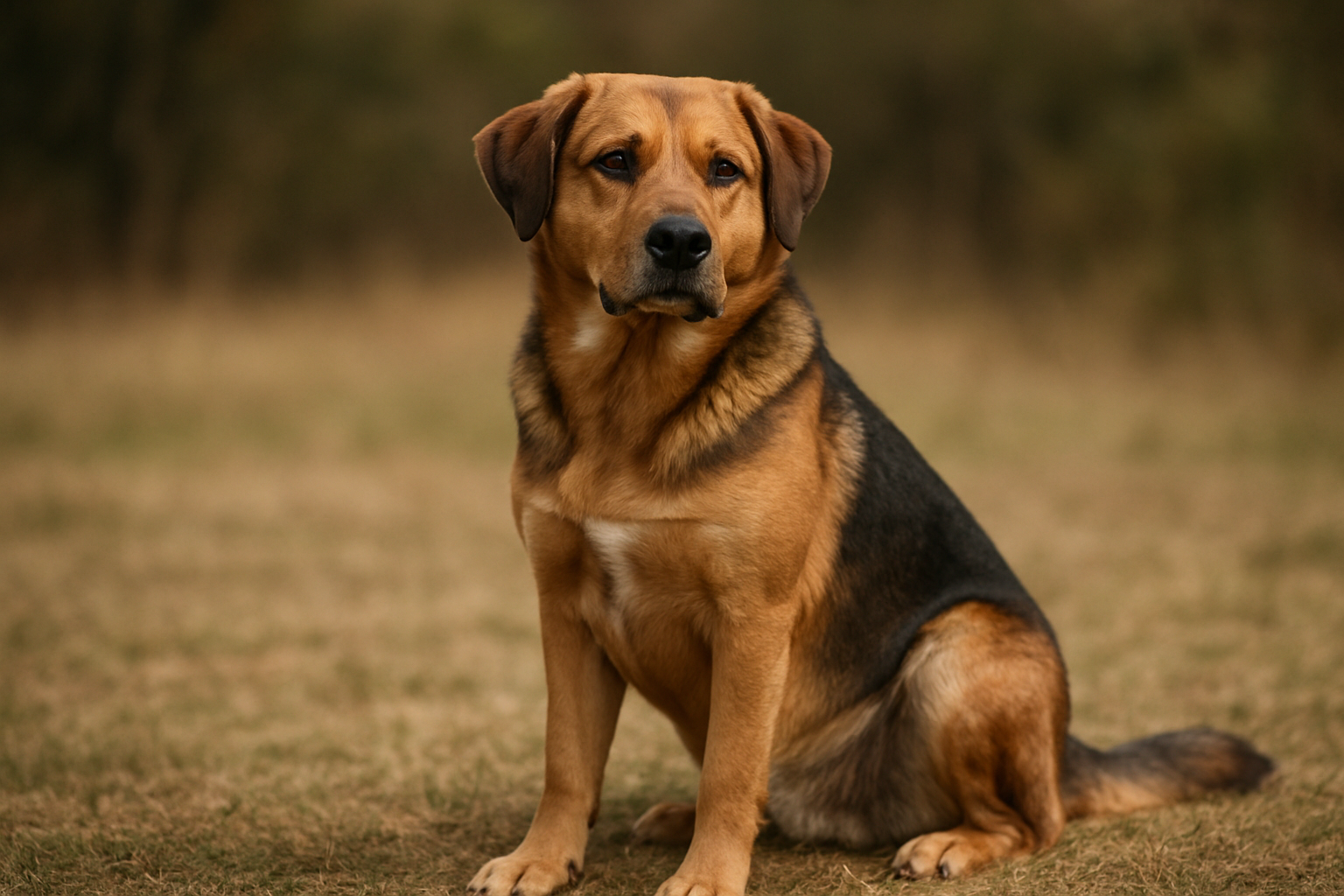
A large dog may be overweight when its ribs are hard to feel and its waist is difficult to see.
Common signs include:
- A round body when viewed from above
- No clear waist behind the ribs
- A broad, flat back
- A thick layer of fat over the ribs
- Less interest in walking or play
- Trouble rising, climbing, or jumping
Do not put a dog on a strict diet without veterinary advice. Large dogs need enough nutrients to protect muscle, bones, and joints. Sudden food cuts can also make hunger and behavior problems worse.
A veterinarian can set a target weight and a safe rate of loss. The plan may include measured meals, fewer high-calorie treats, more activity, and follow-up weigh-ins.
Seek veterinary care promptly if weight loss is sudden, severe, or paired with vomiting, diarrhea, weakness, increased thirst, increased urination, breathing trouble, or loss of appetite.

Does a Large Dog Weigh More Than 50 Pounds?
Usually, yes. In many U.S. size charts, a dog that weighs 50 pounds or more is considered large.
This cutoff is only a guide. A compact 48-pound dog may need the same equipment and space as a 50-pound dog. A tall, slim 50-pound dog may need different care from a short, muscular 50-pound dog.
For practical needs, also consider:
- Shoulder height
- Body length
- Crate size
- Harness fit
- Lifting ability
- Exercise needs
- Joint health
- Travel and housing limits
Weight is useful, but it should not be the only measure of a dog’s size.

Key Takeaways
- Most large dogs weigh 50 to 100 pounds.
- Giant breeds often weigh more than 100 pounds.
- Great Danes, Mastiffs, and Saint Bernards may weigh 120 to 200 pounds or more.
- Breed, sex, age, muscle, and health all affect weight.
- A healthy body shape matters more than a single number.
- You can weigh a large dog with a pet scale, a safe two-step scale method, or at a veterinary clinic.
- Ask a veterinarian about sudden weight changes or an unclear target weight.
FAQs
Is 70 pounds considered a large dog?
Yes. A 70-pound dog is generally considered large in the United States. The dog’s breed and body condition still determine whether 70 pounds is healthy.
Is 100 pounds too heavy for a dog?
Not always. A healthy Great Dane, Mastiff, or Newfoundland may weigh 100 pounds or more. A smaller-framed dog may be overweight at that weight. Check body condition and breed standards.
How heavy is a large dog at one year old?
It depends on the breed. Many large dogs are close to adult height at one year but continue gaining muscle and filling out. Giant breeds may keep growing until 18 to 24 months.
How many pounds of food should a large dog eat?
Do not measure dog food by pounds alone. Food calories vary by formula. Use the feeding guide on the package, measure portions, and adjust based on body condition and veterinary advice.
What is the heaviest dog breed?
The Mastiff is among the heaviest recognized dog breeds by typical body weight. Individual dogs can vary widely, and a heavier dog is not automatically healthier.
Conclusion
A large dog usually weighs 50 to 100 pounds, while a giant dog may weigh 100 to 200 pounds or more. The right weight depends on the dog’s breed, frame, muscle, age, and body condition.
For the most useful answer, weigh your dog, check for a visible waist and easy-to-feel ribs, and compare the result with a breed-specific guide. If the number changes quickly or your dog’s shape concerns you, schedule a veterinary exam.