If your cat keeps throwing up, call your veterinarian today. Repeated vomiting can come from a mild stomach upset, but it can also signal a blockage, poisoning, kidney disease, pancreatitis, or another serious problem. Go to an emergency veterinary hospital now if your cat is weak, has trouble breathing, has blood in the vomit, seems painful, may have eaten a toxin or foreign object, or cannot keep water down.
This guide is for cat owners in the United States. It can help you judge urgency, gather useful details, and keep your cat safer while you arrange veterinary care.
First, decide how urgent the vomiting is
The safest next step depends on how often your cat vomits, what the vomit looks like, and how your cat acts between episodes.
Seek emergency veterinary care now if your cat:
- Cannot keep water down
- Vomits many times in a short period
- Has blood or dark, coffee-ground material in the vomit
- Has a swollen, hard, or painful belly
- Cries, hides, or reacts when touched
- Is very weak, confused, collapsed, or hard to wake
- Has pale, white, blue, or yellow gums
- Has trouble breathing
- Is straining to urinate or producing little or no urine
- May have swallowed string, ribbon, yarn, a toy, a needle, or another object
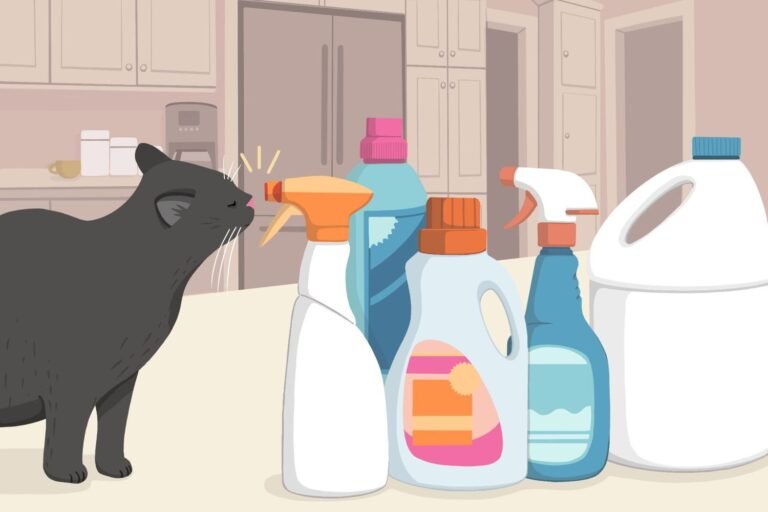
- May have eaten medication, a cleaning product, antifreeze, a plant, or another poison
- Is a kitten, senior cat, or cat with diabetes, kidney disease, liver disease, or another major illness
A cat that vomits once but then acts normal may not need an emergency visit. Still, monitor closely and contact your veterinarian if vomiting returns.
Call your veterinarian the same day if:
- Vomiting happens more than once
- Vomiting continues for several hours
- Your cat will not eat
- Your cat has diarrhea as well as vomiting
- Your cat is losing weight
- Your cat drinks much more or less than usual
- Your cat has changes in thirst, urination, or energy
- Vomiting occurs often, even if your cat seems well afterward
Cats can hide illness. A calm appearance does not always mean a minor problem.
Call a poison service if poisoning is possible
Do not wait for signs to appear if your cat may have swallowed a harmful substance. In the United States, you can contact:
- ASPCA Animal Poison Control Center: 888-426-4435
- Pet Poison Helpline: 855-764-7661
A consultation fee may apply. Have the product label, plant name, medication bottle, or a photo of the substance ready.
What to do while you arrange veterinary care
Use these steps only for a cat that is alert, breathing normally, and not showing emergency signs.
-
Remove access to possible hazards.
Move plants, pills, food scraps, string, chemicals, and small objects away from your cat. Check the area for missing items. -
Keep your cat quiet and indoors.
Stress and activity may worsen nausea. Give your cat a calm room with a clean litter box. -
Offer small amounts of water.
Do not force water into your cat’s mouth. If your cat vomits after drinking, stop offering food or water and call a veterinarian promptly. -
Do not give human medicine.
Acetaminophen, ibuprofen, naproxen, aspirin, and many other drugs can harm cats. Do not give antacids or nausea medicine unless a veterinarian tells you to use a specific product and dose. -
Do not make your cat vomit.
Hydrogen peroxide is not a safe way to induce vomiting in cats. Salt, oil, milk, and other home remedies can cause additional harm. -
Take a photo of the vomit if you can.
A photo may help your veterinarian see whether it contains food, hair, bile, blood, or a foreign object. -
Write down key details.
Record the time of each episode, the number of episodes, what your cat ate, stool and urine changes, and any new medicine or household product.
Do not force-feed a vomiting cat. Also, do not keep a cat from eating for a long time without veterinary advice. Cats that eat too little for several days can develop serious liver problems, especially if they are overweight.

Vomiting or regurgitation: why the difference matters
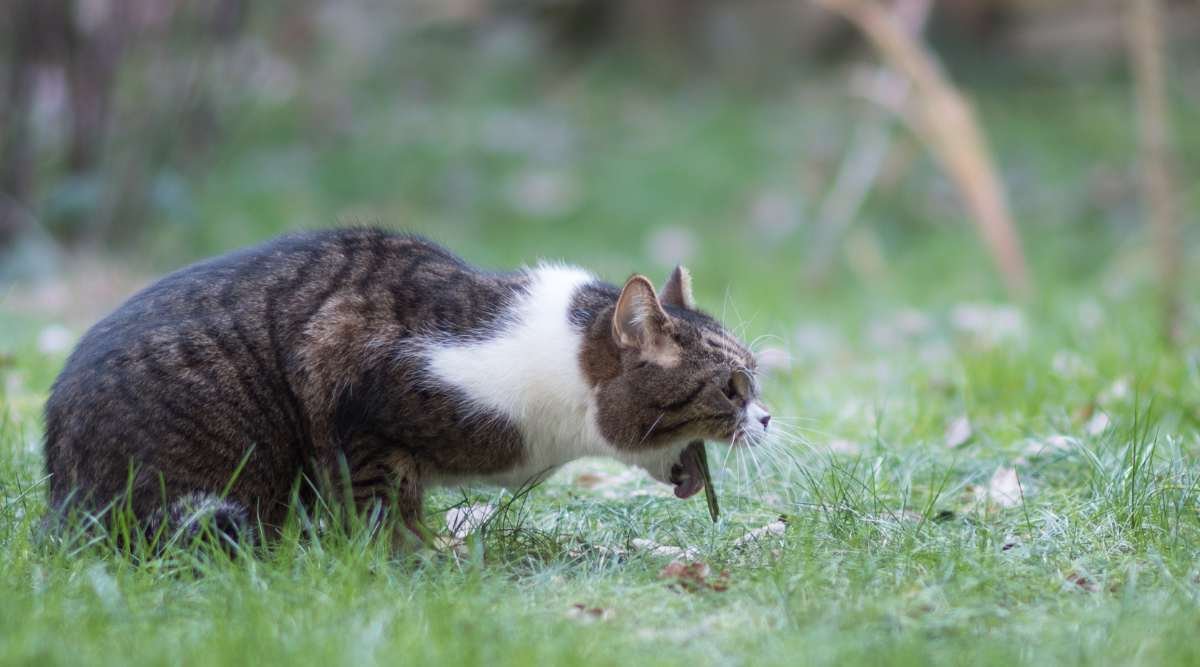
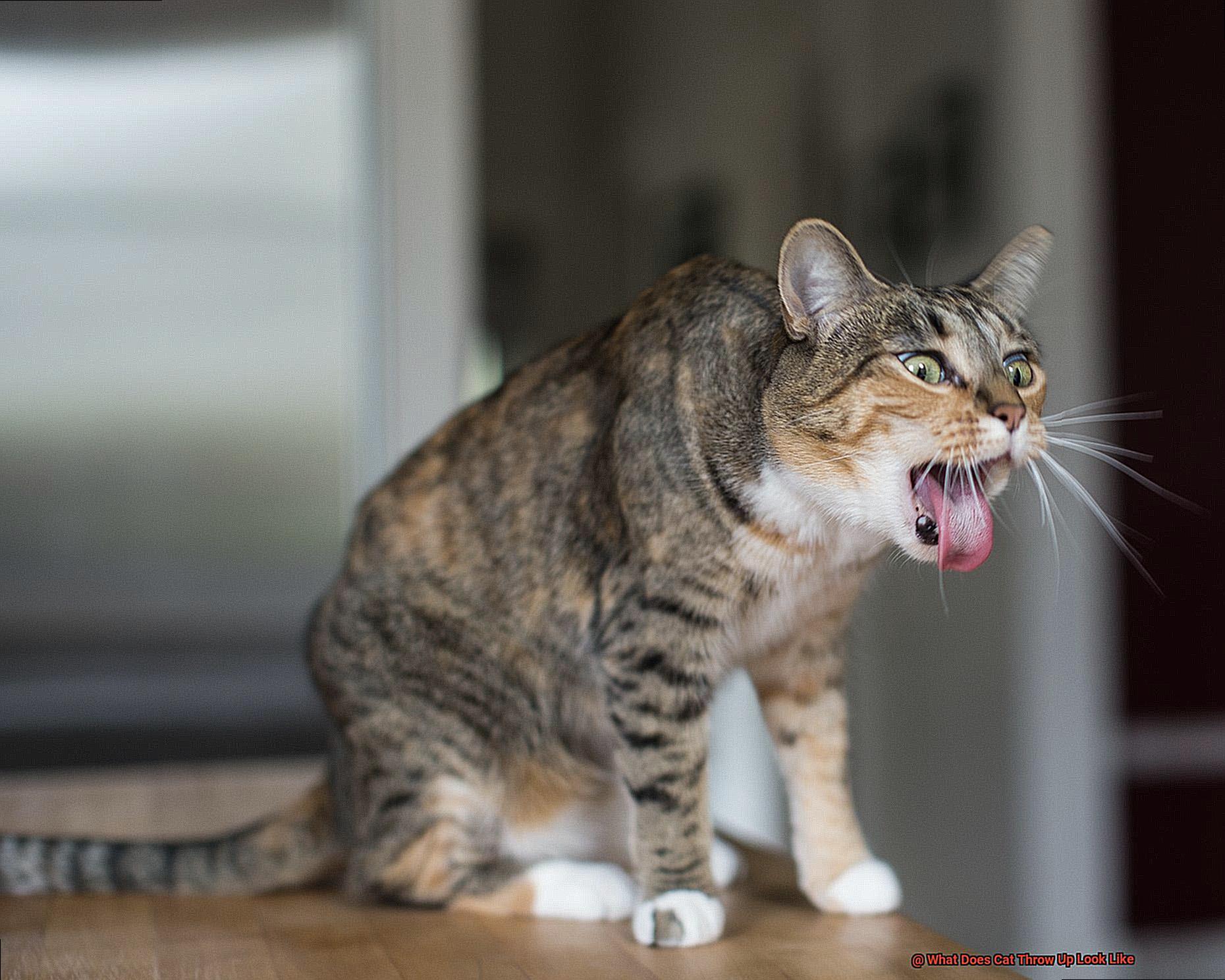
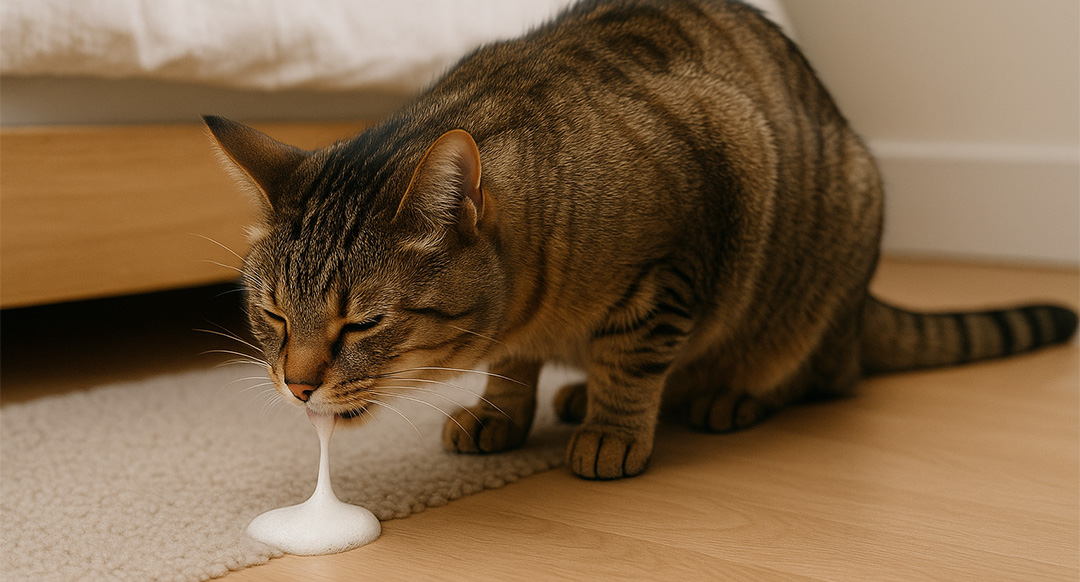
Vomiting is an active process. A cat may drool, lick its lips, retch, crouch, and tighten its belly before food or liquid comes up.
Regurgitation is more passive. Food may come up soon after eating, with little warning and little effort. The food may look whole or tube-shaped. Regurgitation can point to a problem in the esophagus, while vomiting often begins in the stomach or intestines.
If possible, record a short video. The difference can help your veterinarian choose the right tests.
A hairball is also not the same as frequent vomiting. Many cats occasionally bring up a hairball. Repeated hairballs, repeated vomiting without hair, or coughing that looks like gagging still deserves a veterinary discussion.

Common causes of repeated vomiting in cats
Repeated vomiting has many possible causes. A veterinarian may need an exam, blood work, stool testing, X-rays, ultrasound, or other tests to find the cause.
Food and eating problems
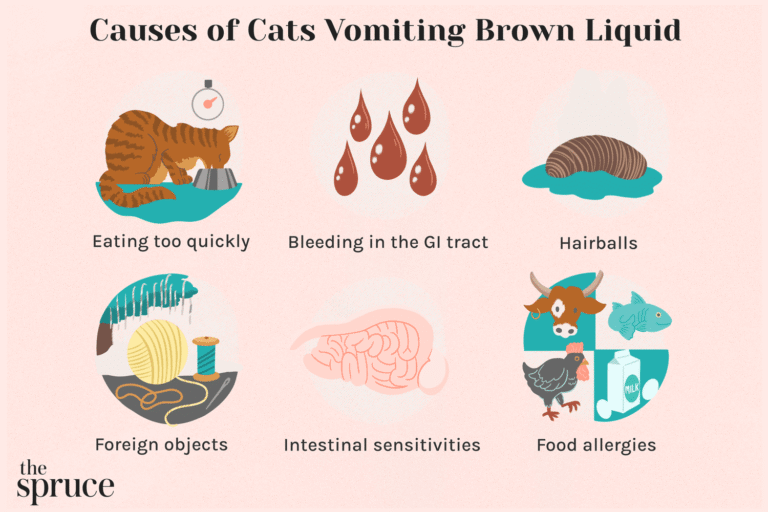
A sudden diet change, spoiled food, rich table scraps, food intolerance, or eating too quickly can upset the stomach. Some cats vomit after eating a large meal or stealing food that does not suit them.
These causes are more likely when vomiting is brief and your cat quickly returns to normal. They are less reassuring when vomiting repeats, appetite stays poor, or other signs appear.
Hairballs
Cats swallow hair while grooming. Some hair passes in the stool, and some may form a hairball. Hairballs can irritate the stomach or, rarely, contribute to an intestinal blockage.
Regular brushing can reduce loose hair. Do not use laxatives or hairball products without veterinary advice. A hairball remedy cannot treat a blockage, toxin, infection, or organ disease.
Foreign objects and intestinal blockage
String, ribbon, rubber bands, plastic, foam, and small toys can become stuck in the digestive tract. A blockage may cause vomiting, pain, loss of appetite, constipation, or weakness.
If string hangs from your cat’s mouth or anus, do not pull it. Pulling can damage the intestines. Transport your cat to a veterinary hospital.
Toxins and medications
Cats are sensitive to many substances. Risks include lilies, human medicines, dog flea products containing permethrin, antifreeze, cleaning products, and some essential oils.
Never assume that a small amount is safe. The risk depends on the substance, dose, timing, and your cat’s size and health.
Illness outside the stomach
Kidney disease, liver disease, pancreatitis, diabetes, hyperthyroidism, infections, inflammatory bowel disease, and cancer can all cause vomiting. Dental pain and stress may reduce eating, which can make a sick cat weaker.
That is why repeated vomiting should not be treated as “just a hairball” without checking for other signs.

What your veterinarian may ask and test
Your veterinarian will likely ask about:
- When vomiting began
- How often it happens
- Whether the material contains food, hair, bile, blood, or an object
- Appetite and water intake
- Urination and bowel movements
- Recent food changes
- New medicines, supplements, plants, or chemicals
- Possible access to string or small objects
- Weight loss or past medical problems
Bring medication containers and packaging when possible. Tell the veterinarian the exact product and approximate amount. Do not hide a possible exposure because you are unsure or worried about cost. Early information can change treatment.
Testing may include a physical exam, hydration check, blood and urine tests, fecal testing, abdominal X-rays, or ultrasound. The right tests depend on your cat’s age, signs, exam findings, and exposure history.

Feeding your cat after vomiting
Ask your veterinarian for feeding instructions, especially if your cat is young, old, overweight, diabetic, or has another illness.
For a healthy adult cat with one mild episode and no warning signs, a veterinarian may suggest a short rest from a normal meal, followed by small amounts of food. The plan should not become prolonged fasting.
When feeding resumes:
- Offer small meals rather than one large meal.
- Use the food your veterinarian recommends.
- Avoid table scraps and sudden diet changes.
- Keep fresh water available unless your veterinarian gives different instructions.
- Stop and call the veterinarian if vomiting returns.
Do not switch to a homemade diet for several days unless a veterinary professional provides a balanced recipe. Common homemade diets may lack key nutrients.

How to track vomiting at home
A simple record can make the veterinary visit more useful.
| Detail to record | Example |
|---|---|
| Time | 8:30 a.m. |
| Number of episodes | Three in four hours |
| Appearance | Yellow liquid with food |
| Effort | Retching and belly contractions |
| Food and water | Ate half a meal; vomited water |
| Litter box | Urinated normally; no stool today |
| Behavior | Hiding and less active |
| Possible exposure | Chewed a houseplant |
Also note your cat’s gum color, breathing, body position, and ability to walk. Do not delay care while trying to complete a chart.
The record is most useful when it supports a clear action: call your veterinarian, visit an emergency clinic, or continue close monitoring after professional advice.

Mistakes to avoid
Several well-meant actions can make vomiting worse or delay needed care.
- Do not give hydrogen peroxide. It can injure a cat’s mouth, throat, and stomach.
- Do not give human medication. Some common pain relievers are highly toxic to cats.
- Do not pull string or ribbon. It may be anchored inside the digestive tract.
- Do not assume a hairball is harmless. Repeated vomiting needs assessment.
- Do not force food or water. This can cause stress and may lead to inhalation of fluid.
- Do not wait several days if your cat is not eating. Cats can become seriously ill when food intake drops.
- Do not rely only on online symptom checks. A physical exam may be needed to find dehydration, pain, or a blockage.
If your cat is getting worse, use an emergency veterinary hospital rather than waiting for a routine appointment.
Frequently asked questions
Is it normal for cats to vomit?
Occasional vomiting can happen, but repeated vomiting is not something to ignore. A cat that vomits more than once, stops eating, or acts unwell should be assessed by a veterinarian.
Why is my cat throwing up yellow liquid?
Yellow liquid is often bile. It can appear when the stomach is empty, but it does not identify the cause. A cat that repeatedly vomits bile may have stomach irritation, intestinal disease, pancreatitis, or another problem.
Should I give my cat milk after vomiting?
No. Many adult cats do not digest lactose well, and milk may worsen stomach upset. Offer only what your veterinarian recommends.
Can dry food cause vomiting?
Dry food is not automatically harmful, but fast eating, overeating, a sudden food change, or an ingredient intolerance may cause vomiting. Do not change diets repeatedly while your cat is sick. Ask your veterinarian for a feeding plan.
When is a hairball an emergency?
A hairball concern becomes urgent when your cat repeatedly retches without producing anything, vomits many times, has pain or weakness, stops eating, or may have swallowed string or another object.
Key takeaways
- Repeated vomiting warrants a same-day call to your veterinarian.
- Emergency signs include weakness, pain, blood, breathing trouble, a swollen belly, inability to keep water down, or possible poisoning.
- Never give human medicine or hydrogen peroxide.
- Never pull string from your cat’s mouth or anus.
- Keep notes, save product packaging, and take a photo or video for the veterinarian.
- Do not allow prolonged fasting without professional guidance.
Conclusion
If your cat keeps throwing up, focus first on safety and urgency. Remove possible hazards, avoid home remedies, and contact a veterinarian. A single mild episode may pass, but repeated vomiting can be the first clear sign of a serious problem.
When in doubt, call your veterinarian or a nearby emergency veterinary hospital. Early care is safer than waiting for a cat to become severely dehydrated or weak.