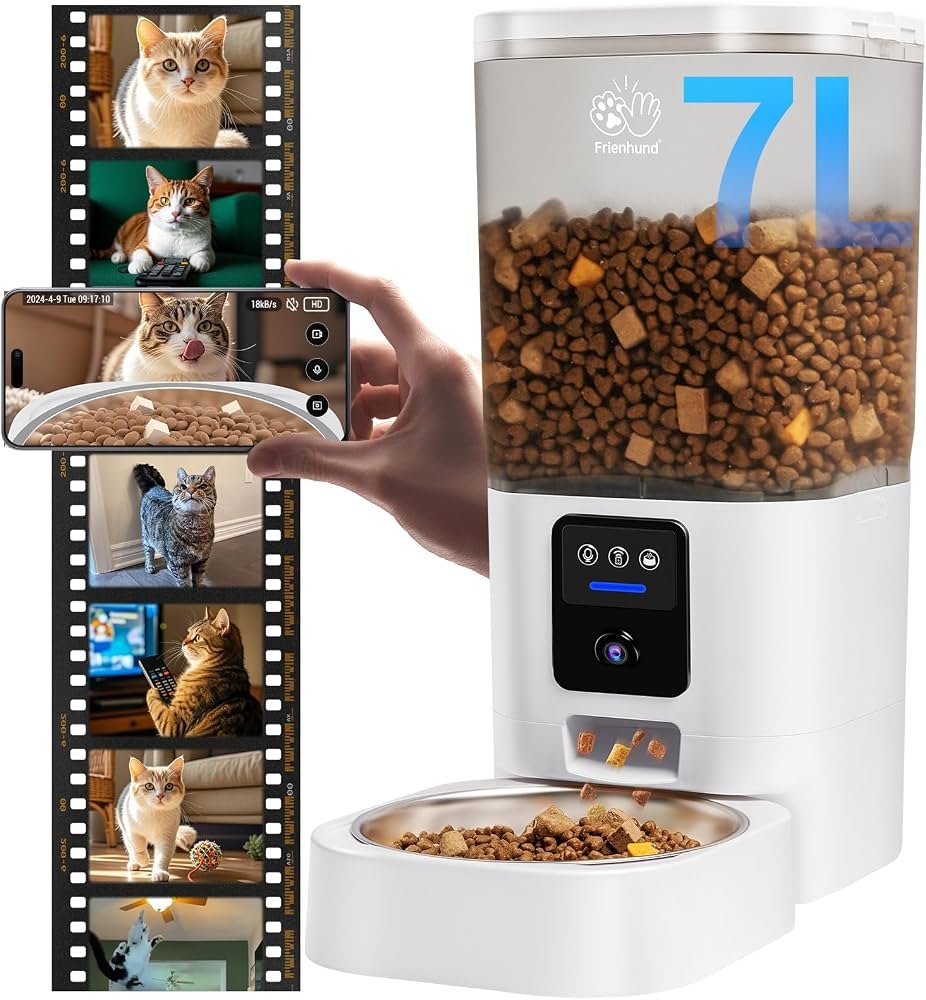
Unplug, disassemble, wash with hot soapy water, sanitize, dry, then reassemble.
If you want zero pet odors, fewer ants, and a healthier cat, you need to know how to clean an automatic cat feeder the right way. I’ve cleaned countless feeders for fosters and my own crew, and small tweaks make a huge difference. In this guide, I’ll show you how to clean an automatic cat feeder from quick daily care to deep sanitizing, with easy steps you can follow today.
Why a Clean Automatic Cat Feeder Matters
A clean feeder keeps your cat safe and your home fresh. Food residue can grow bacteria and mold fast. Grease and crumbs also jam motors and chutes. That means missed meals and stress for you and your cat.
Clean parts also last longer. Sensors stay accurate. Portions stay consistent. Smell control improves too, so your cat eats with less fuss.
If you wondered how to clean an automatic cat feeder without breaking it, you’re in the right place. We will protect the electronics while getting rid of grime.

What You’ll Need
You do not need fancy tools. You need the right basics and a gentle touch.
- Mild, fragrance-free dish soap
- Soft bottle brush and a small detailing brush
- Microfiber cloths or paper towels
- Warm to hot water
- Food-safe sanitizer option
- Unscented bleach solution, 1 tablespoon per 1 gallon of water
- Or 3% hydrogen peroxide
- Or a pet-safe, food-contact disinfectant
- White vinegar for deodorizing, if desired
- Cotton swabs for tight corners
- A drying rack or clean towel
- Optional for wet-food feeders: silicone scraper
I keep a small caddy for these items near the sink. It turns a chore into a quick habit.
Quick Safety Checklist Before You Start
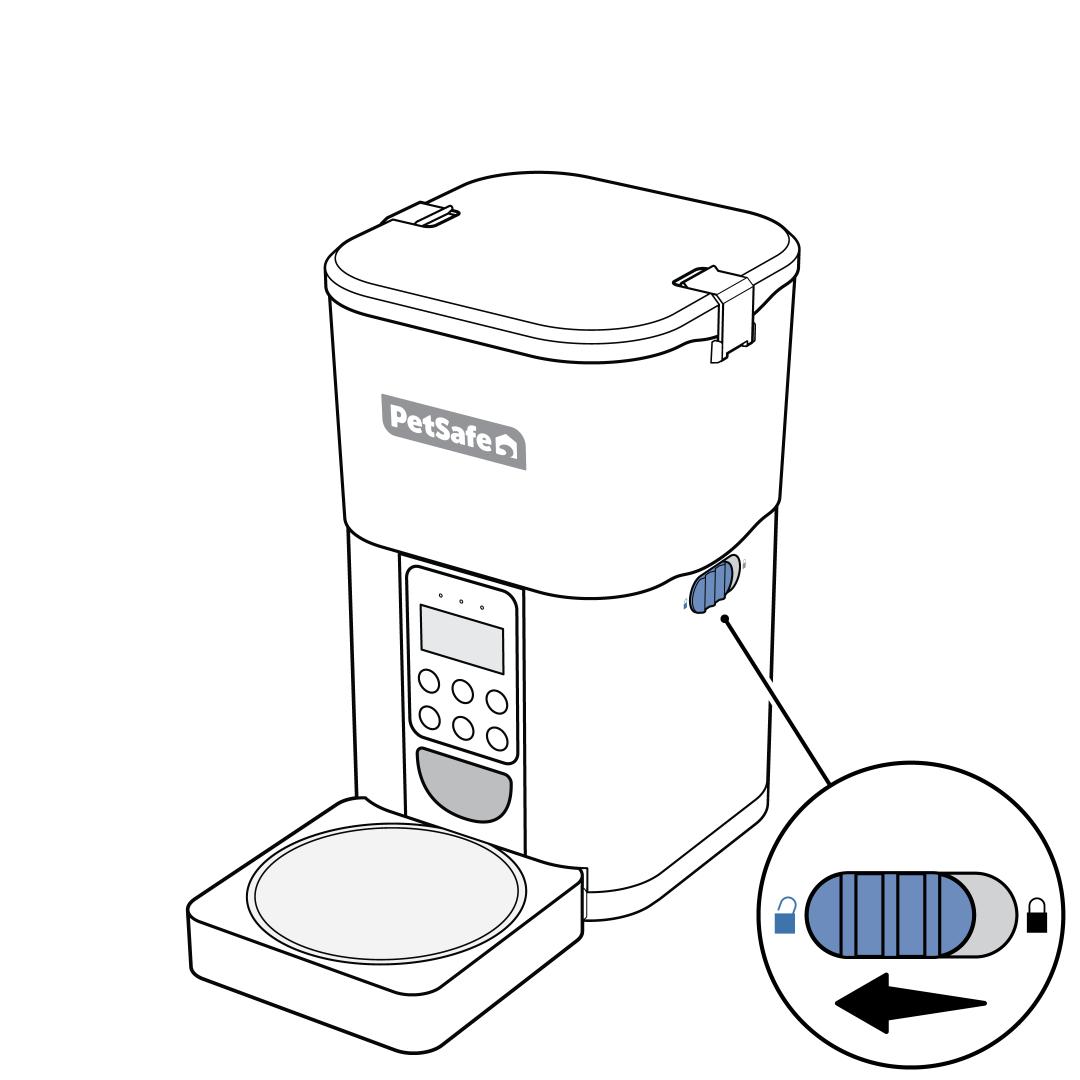
Keep the base unit safe. Most bases contain motors, wires, or a scale. Do not submerge them.
- Unplug the feeder. Remove batteries too.
- Empty all food. Store kibble in an airtight bin.
- Remove the bowl, hopper, lid, chute cover, and auger if it detaches.
- Keep the base dry. Wipe it only with a damp cloth.
Always check your manual. It will note which parts are dishwasher safe. When unsure, hand wash to protect plastics and seals.

Step-by-Step: How to Clean an Automatic Cat Feeder
Follow these steps every 1 to 2 weeks for dry food. Do it more often for wet food. This is the core of how to clean an automatic cat feeder without voiding a warranty.
- Disassemble
- Remove lid, hopper, bowl, and any chute covers.
- Take out the desiccant pack if your feeder uses one. Set it aside to stay dry.
- Shake Out Debris
- Dump crumbs and old kibble.
- Tap parts gently to free dust from seams.
- Wash Removable Parts
- Use hot, soapy water.
- Scrub seams, chute pieces, and the auger with small brushes.
- Rinse until water runs clear.
- Degrease and Deodorize
- For stubborn film, wash twice or soak in warm, soapy water for 10 minutes.
- Optional: A quick white vinegar rinse helps reduce odors. Rinse again with water.
- Sanitize
- Use a bleach solution (1 tablespoon per 1 gallon of water). Let sit for 2 minutes.
- Or spray 3% hydrogen peroxide and let sit for 5 minutes.
- Rinse well with clean water. Air-dry fully.
- Clean the Base Safely
- Wipe with a damp cloth and a drop of soap.
- Clean the chute opening, button area, and sensor windows.
- Dry at once with a cloth. Keep liquids away from cracks.
- Dry and Reassemble
- Air-dry everything. Moisture in the hopper can clump food.
- Replace the desiccant pack if used.
- Reassemble and run a test feed.
- Reset and Refill
- Reinstall batteries. Plug in.
- Confirm time, meal sizes, and schedules.
- Refill with fresh, dry kibble.
My foster tip: tap the chute and run a manual feed after reassembly. It proves nothing is stuck and prevents a 5 a.m. no-feed panic.
Quick answers inside this section
How often should I clean the feeder bowl?
Clean the bowl daily if you can, or at least every 2 to 3 days. Bacteria grows fast on moist crumbs and cat saliva.
Can I put parts in the dishwasher?
Many bowls and hoppers are dishwasher safe on the top rack. Check the manual first, as heat can warp some plastics.
What if water splashes on the base?
Unplug it right away and dry it well. Let it sit 24 hours before use if the splash was heavy.

Deep Cleaning by Feeder Type
Different feeders need small changes. Here is how to clean an automatic cat feeder based on what you own.
-
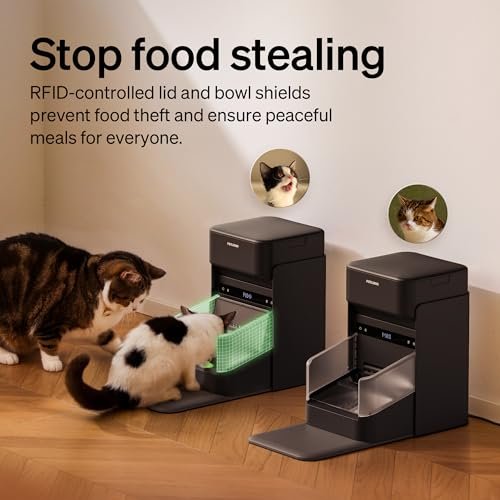
Dry-kibble smart feeders
- Remove the auger and chute cover. These hold oily dust.
- Brush sensors and infrared windows gently.
- Vacuum crumbs from seams before wiping.
-
Gravity feeders
- Use a bottle brush in the neck to remove oil.
- Sanitize the bottle interior. Dry fully upside down.
-
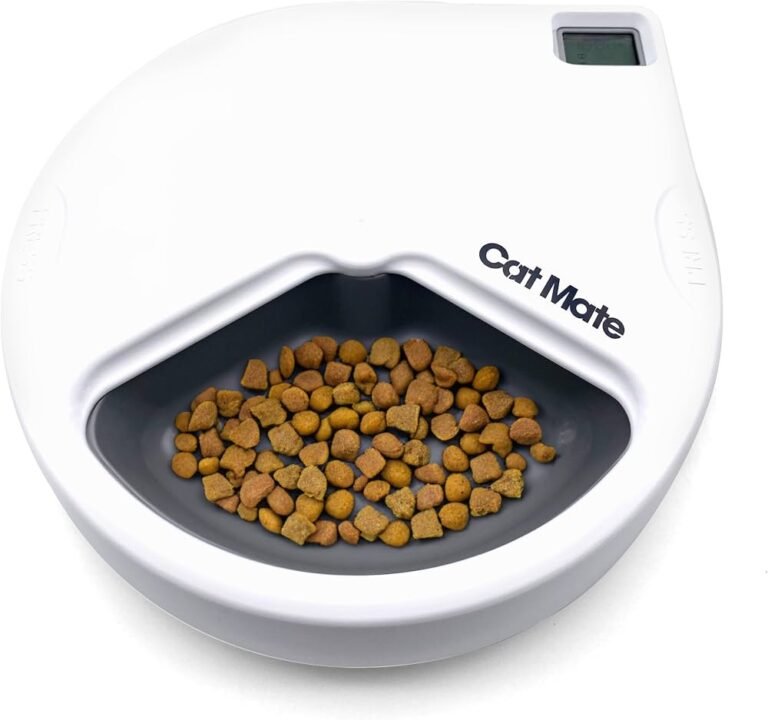
Wet-food or conveyor feeders
- Wash trays after each meal. Bacteria multiplies fast in moist food.
- Scrub seals and hinges where gel-like film hides.
- Sanitize trays often. Air-dry to avoid musty smells.
-
Stainless steel bowls and inserts
- Hand wash or use the dishwasher.
- Avoid abrasive pads to keep the finish smooth and less sticky to oils.
-
Plastic bowls and hoppers
- Use soft cloths to prevent scratches. Scratches can hold bacteria.
- Replace old, cloudy parts. They are harder to sanitize.
For readers asking how to clean an automatic cat feeder used outdoors, bring it inside to wash. Outdoor dust and insects call for more frequent care.

Disinfection That’s Safe for Cats
You want clean, but not harsh residue. Here is a safe plan and simple rules.
-
Bleach solution
- Mix 1 tablespoon of unscented bleach per 1 gallon of water.
- Soak or wet surfaces for about 2 minutes.
- Rinse with clean water. Air-dry.
-
Hydrogen peroxide 3%
- Spray or soak for about 5 minutes.
- Rinse and air-dry.
-
Pet-safe disinfectants
- Use only products labeled for food-contact surfaces.
- Follow the label for contact time. Rinse if the label says to.
-
What to avoid
- Strong fragrances that can linger on plastic.
- Rough scrubs that create scratches.
- Mixing chemicals, like bleach and vinegar, which is unsafe.
If you are sensitive to scents, rinse more and let parts dry longer. Cats have strong noses. A clean, neutral smell helps them eat better.
Stop Mold, Grease, and Odors Early
Prevention saves time. It also keeps the motor happy.
-
Control moisture
- Keep the feeder away from humid areas and water bowls.
- Use a fresh desiccant pack in sealed hoppers.
-
Cut grease build-up
- Choose higher-quality kibble with less surface oil if possible.
- Wipe the chute weekly with a soapy cloth.
-
Block pests
- Wipe spills right away.
- Use a small ant moat pad under the legs or a light dusting of food-grade diatomaceous earth around the stand, not in the food.
-
Reduce odors
- Store kibble in an airtight container.
- A charcoal pack near the feeder (not in the hopper) can help.
As someone who rotates foster cats, I see odor spikes with stress changes. A routine wipe-down and fresh hopper every week kept even picky eaters on track.

Maintenance, Storage, and Long-Term Care
Clean parts make feeding smooth and predictable.
-
Weekly
- Wipe the chute and bowl area.
- Empty crumbs and check the auger.
-
Every 2 to 4 weeks
- Wash and sanitize removable parts.
- Inspect gaskets and seals for wear.
-
Every 3 to 6 months
- Deep clean the hopper and auger.
- Replace the desiccant and any cracked parts.
-
If you store the feeder
- Clean and dry all parts first.
- Keep the base in a dry box. Remove batteries.
These cycles are part of how to clean an automatic cat feeder for real life. They keep feeds reliable and prevent those 3 a.m. stuck-gear sounds.
Common Mistakes to Avoid
Small errors can undo a good clean. Skip these pitfalls.
-
Submerging the base
- This can short the motor or sensors.
-
Reassembling while damp
- Moisture clumps kibble and grows mold.
-
Overusing strong cleaners
- Harsh residue can change food taste and smell.
-
Ignoring hair and dust
- Pet hair can tangle moving parts. Wipe and vacuum nearby floors.
-
Forgetting to test feed
- Always run a manual feed to confirm smooth flow.
Learning how to clean an automatic cat feeder is mostly about habits. Keep it simple and frequent. Your cat and your nose will thank you.
Frequently Asked Questions of how to clean an automatic cat feeder
How often should I deep clean a dry-food automatic feeder?
Deep clean every 2 to 4 weeks, depending on oil build-up and dust. Wipe the bowl and chute weekly to prevent clogs.
What is the safest way to sanitize food-contact parts?
Use a mild bleach solution or 3% hydrogen peroxide, then rinse and air-dry. Follow labeled contact times for any product you choose.
Can I use vinegar instead of bleach?
Vinegar helps with odors and light mineral film, but it is not a strong sanitizer. Use a proper food-safe sanitizer for true disinfection.
How do I clean a feeder without scaring my cat?
Clean during a calm time and keep the routine fast. Offer a small treat from the clean bowl to build a positive link.
What if my feeder smells even after washing?
Check hidden seams, gaskets, and the auger for residue. Do a sanitize step and let parts air out longer before reassembly.
Is stainless steel better than plastic for bowls?
Stainless steel is easier to sanitize and resists scratches. Plastic is fine if kept smooth and replaced when cloudy or worn.
Conclusion
A clean feeder means safer meals, fewer clogs, and a happier cat. Build a simple routine, use gentle cleaners, and protect the base from water. Now that you know how to clean an automatic cat feeder from start to finish, set a reminder and make it a quick weekly win.
Try the steps today, then share what worked for you. Subscribe for more pet care guides or leave a comment with your setup and any questions.