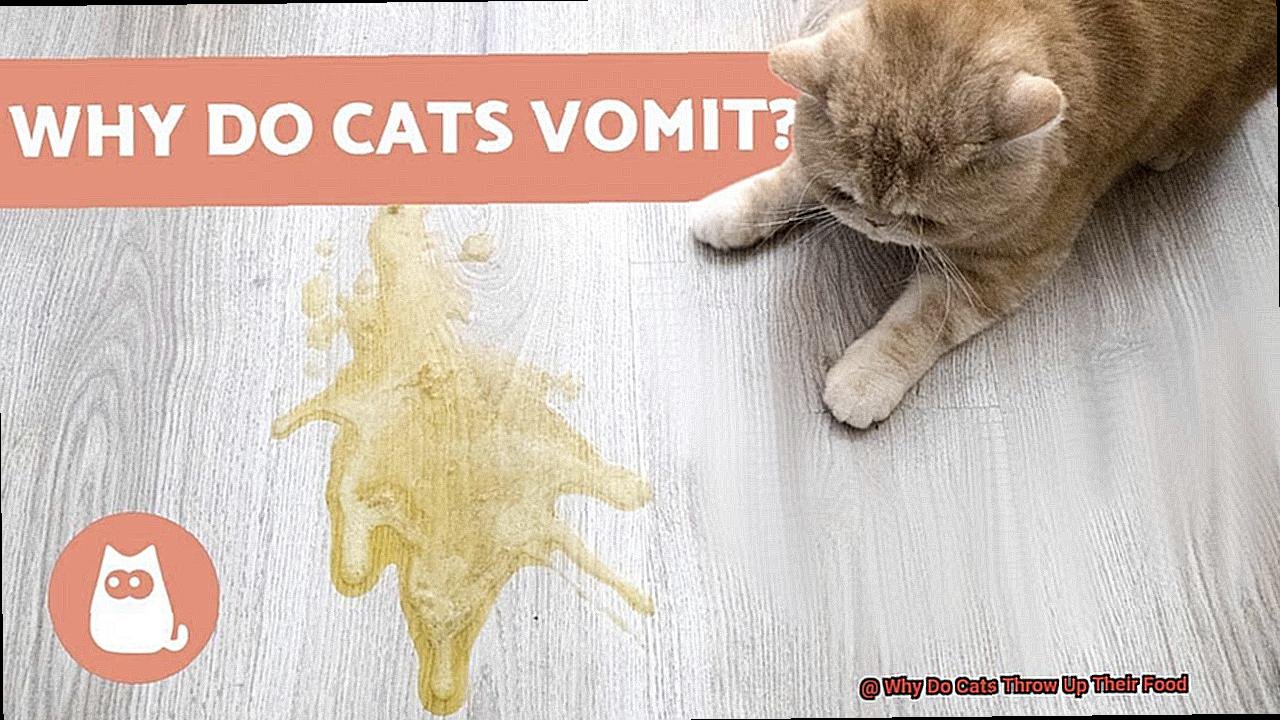
A cat that vomits often may have a mild problem, such as eating too fast or swallowing hair. But repeated vomiting can also point to intestinal disease, parasites, food intolerance, kidney disease, hyperthyroidism, poisoning, or cancer. A cat that vomits more than once, vomits on several days, loses weight, or seems unwell should be checked by a veterinarian.
One isolated episode may not be serious if your cat quickly returns to normal. “All the time,” however, is not normal for cats. Do not assume that frequent vomiting is only hairballs.
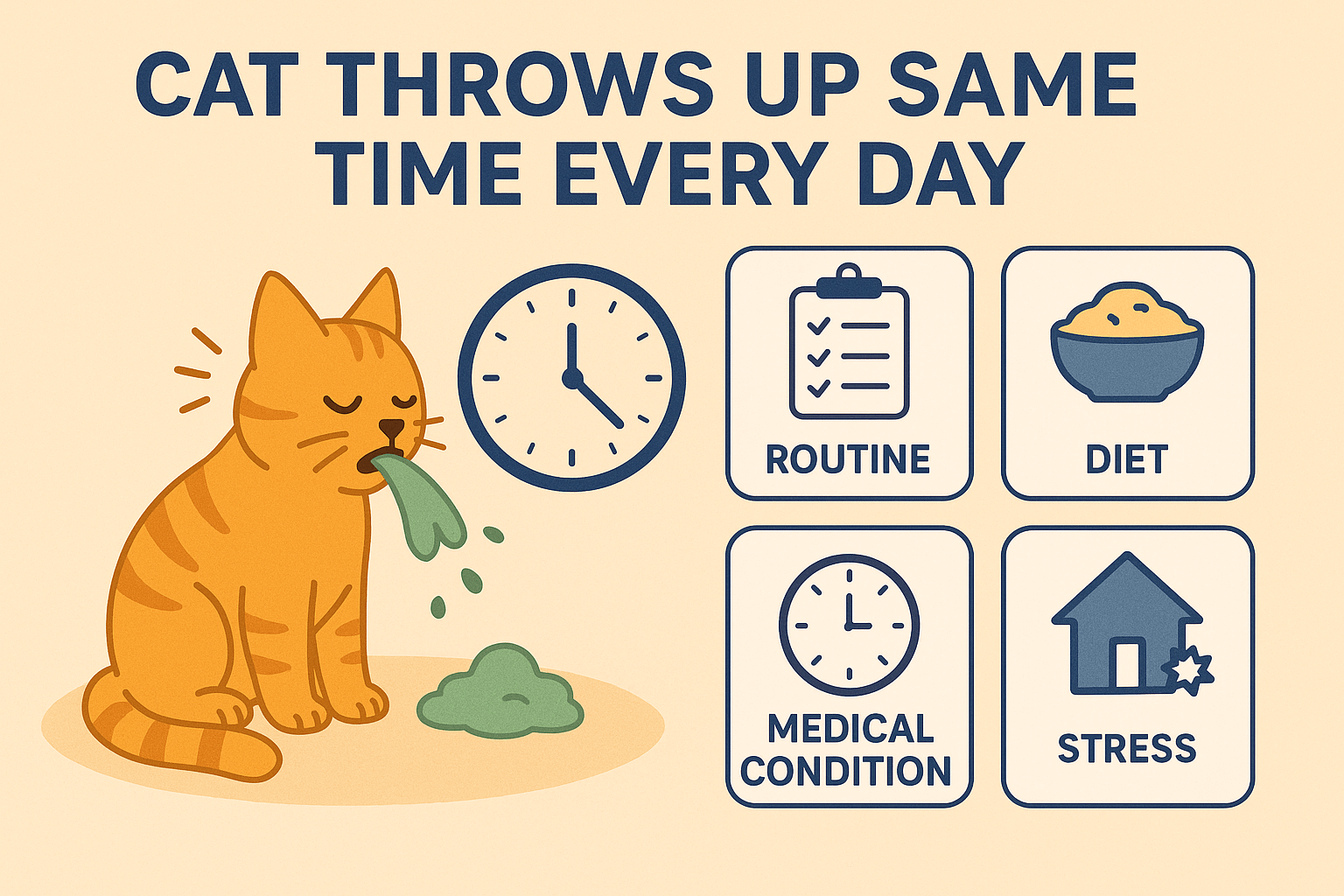
Vomiting or regurgitation: What is the difference?
Vomiting is an active process. A cat may drool, lick its lips, retch, crouch, and tighten its belly before bringing up food or fluid. Regurgitation is more passive. Food comes up soon after eating, often without strong heaving.
The difference matters because the causes can differ:
- Vomiting: May involve the stomach, intestines, kidneys, liver, pancreas, hormones, toxins, or the brain.
- Regurgitation: May involve fast eating, an enlarged esophagus, or another problem that stops food from moving normally.
- Coughing: Can look like gagging or vomiting, but the cat may keep its neck stretched out and produce little or no stomach content.
Take a short video if you can do so safely. A video can help your veterinarian tell these events apart.
Common reasons a cat keeps throwing up
Repeated vomiting has many possible causes. The pattern, age, diet, other symptoms, and physical exam help narrow the list.
Hairballs
Cats swallow loose hair while grooming. Some hair passes through the stool. A hairball may occasionally form and be brought up.
Still, frequent “hairballs” deserve attention. Repeated hacking, dry heaving, constipation, or vomiting without producing a hairball may signal another problem. Long-haired cats and cats that groom heavily may have a higher risk, but hairballs should not be used to explain ongoing illness without a veterinary exam.
Eating too fast or eating too much
Some cats vomit soon after meals because they eat too quickly. The food may look nearly whole. This is more likely to be regurgitation than true vomiting.
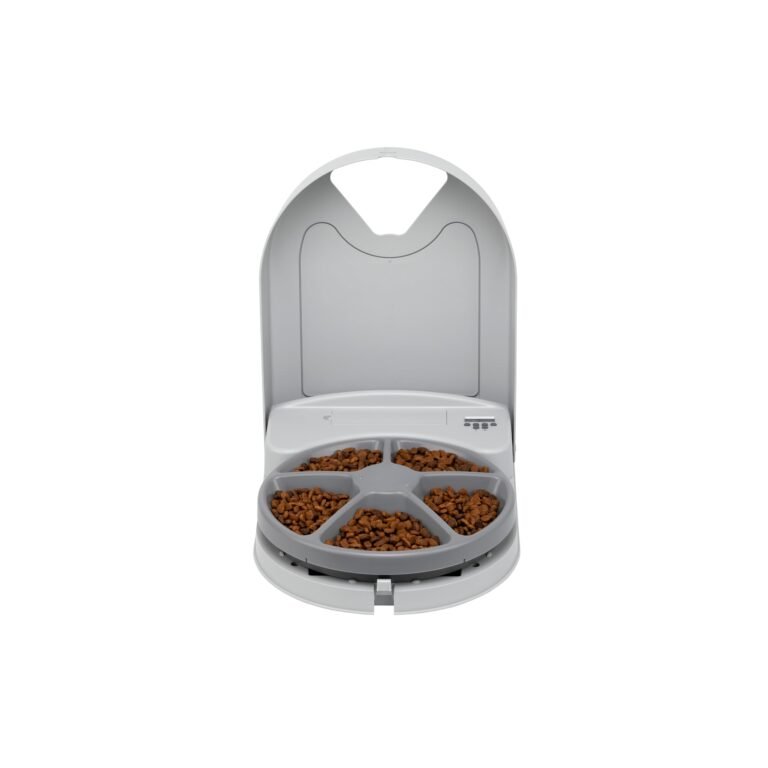
Smaller meals, a slow-feeder dish, or spreading food across a flat surface may help. Do not use these steps as a substitute for care if your cat also loses weight, has diarrhea, acts painful, or vomits several times.
Sudden food changes or food intolerance
A fast switch to a new food can upset the digestive tract. Some cats also react poorly to a certain ingredient, although a true food allergy must be confirmed by a careful elimination diet.
Change food slowly over about a week unless a veterinarian gives different instructions. Avoid table scraps, rich treats, milk, and sudden diet changes while you are trying to find the cause.
Parasites and infections
Roundworms, tapeworms, Giardia, and other parasites can cause vomiting, diarrhea, weight loss, or a poor coat. Kittens are at greater risk for serious effects from parasites.
Viral or bacterial infections may also cause vomiting. Your cat’s risk depends on age, vaccines, exposure to other animals, outdoor access, and local disease patterns. A stool test may be needed because you usually cannot identify parasites by looking at vomit.
Foreign objects or intestinal blockage
Cats may swallow string, ribbon, yarn, rubber bands, plastic, or small toys. A blockage can cause repeated vomiting, belly pain, loss of appetite, dehydration, and little or no stool.
If you see string coming from your cat’s mouth or anus, do not pull it. Pulling can tear the intestine. Seek urgent veterinary care instead.
Poisoning
Common household hazards include lilies, human medicines, cleaners, essential oils, pesticides, antifreeze, and some dog flea products. Even a small amount of a toxic substance can harm a cat.
If poisoning is possible, remove your cat from the area and call a veterinarian or pet poison service at once. Do not give milk, oil, salt, hydrogen peroxide, or another home remedy. Do not induce vomiting unless a veterinary professional specifically tells you to do so.
Kidney, liver, pancreatic, or intestinal disease
Ongoing vomiting may occur with:
- Chronic kidney disease
- Liver disease
- Pancreatitis
- Inflammatory bowel disease
- Severe constipation
- Intestinal cancer or lymphoma
- Diabetes and other metabolic disorders
Older cats have a higher risk of several chronic diseases, but illness can affect cats of any age. A cat can seem fairly normal between episodes, especially early in the disease.
Hyperthyroidism
Hyperthyroidism is common in older cats. It may cause weight loss despite a good appetite, increased thirst, frequent urination, restlessness, fast heart rate, diarrhea, or vomiting.
A blood test can help check thyroid function. Treatment depends on the diagnosis and your cat’s overall health.

When is cat vomiting an emergency?
Seek emergency veterinary care if your cat has repeated vomiting with any of these signs:
- Trouble breathing
- Collapse, severe weakness, or confusion
- A swollen or very painful belly
- Blood in the vomit or dark material that looks like coffee grounds
- Repeated dry heaving
- Inability to keep water down
- Pale, gray, blue, or yellow gums
- Suspected poisoning
- Possible swallowed string, toy, or other object
- Little or no urine, especially in a male cat
- Severe dehydration
- A kitten, senior cat, or cat with diabetes, kidney disease, or another serious condition that is vomiting
Vomiting can cause fluid and electrolyte loss. Cats can also hide pain, so a quiet cat is not always a comfortable cat.
If your cat vomits once but acts normal, watches you, drinks, and eats normally, you can monitor closely. Call your regular veterinarian if vomiting returns, happens repeatedly, or comes with appetite loss, diarrhea, weight loss, or a behavior change.
What to do at home while you arrange veterinary care
First, remove access to plants, chemicals, string, human medicine, and other possible hazards. Keep your cat indoors and provide a calm place to rest.
Do not force food or water into your cat’s mouth. Do not give human medicines. Many common pain relievers, including acetaminophen and ibuprofen, can be dangerous or deadly to cats.
Write down:
- When the vomiting started
- How many times it happened
- What the vomit looked like
- Whether it contained food, hair, bile, blood, or a foreign object
- What your cat ate in the past 48 hours
- Any new food, medicine, supplement, plant, or cleaner
- Changes in drinking, urination, stool, weight, and behavior
If your veterinarian says home monitoring is reasonable, follow the feeding plan they provide. A long fast is not suitable for every cat. Cats that stop eating are at risk of serious liver problems, especially if they are overweight.
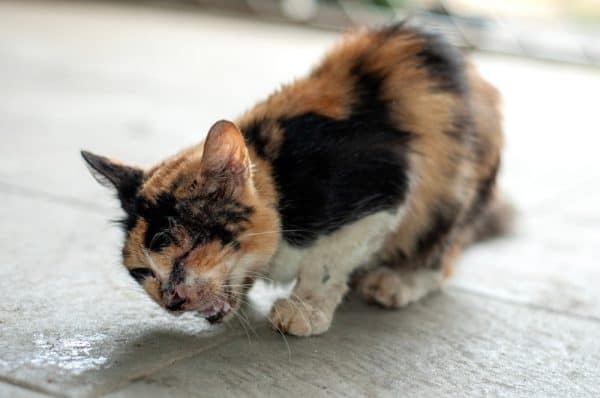
How a veterinarian finds the cause
A veterinarian will start with a history and physical exam. The questions may include how often your cat vomits, whether the event is vomiting or regurgitation, and whether appetite, thirst, stool, or urine has changed.
Testing may include:
- A fecal test for parasites
- Blood work to assess organs, blood sugar, hydration, and inflammation
- A urinalysis
- Thyroid testing in older cats or cats with related signs
- X-rays to look for a blockage or abnormal organs
- Ultrasound to examine the stomach, intestines, pancreas, liver, and lymph nodes
- Additional tests, such as endoscopy or biopsy, when needed
No single test finds every cause. A normal blood test does not always rule out an intestinal blockage or early digestive disease. The veterinarian chooses tests based on the exam, age, history, and risk.
Treatment may involve fluids, anti-nausea medicine, a prescription diet, parasite treatment, surgery, or care for an underlying disease. The right treatment depends on the cause. Giving leftover medicine from a previous illness can delay proper care or cause harm.
How to reduce vomiting after serious causes are ruled out
Once your veterinarian has ruled out urgent disease, these habits may reduce mild, recurring stomach upset:
- Feed measured meals rather than leaving unlimited food out.
- Offer smaller meals more often if your cat eats too fast.
- Use a slow feeder only if your cat can eat from it comfortably.
- Change diets gradually unless your veterinarian directs a faster change.
- Limit treats and avoid table scraps.
- Brush your cat often to reduce swallowed hair.
- Keep string, ribbon, plants, medicines, and chemicals out of reach.
- Keep parasite prevention up to date when recommended for your cat.
- Track weight with a pet scale or regular veterinary checks.
- Record vomiting episodes instead of relying on memory.
Do not start laxatives, hairball gels, special diets, probiotics, or supplements without asking your veterinarian. Some products are unsuitable for cats, and some can hide signs of a blockage.
What the color and content of vomit may mean
The appearance of vomit can offer clues, but it cannot diagnose the cause.
| What you see | Possible meaning | What to do |
|---|---|---|
| Undigested food soon after eating | Fast eating or regurgitation | Record timing and contact your vet if it repeats |
| Clear fluid or foam | Stomach fluid, irritation, or an empty stomach | Monitor only if your cat is otherwise well; call if it continues |
| Yellow or green fluid | Bile, often after the stomach empties | Repeated episodes need veterinary advice |
| Hair or a hairball | Swallowed hair | Occasional hairballs may occur; frequent episodes need evaluation |
| Red blood | Fresh bleeding | Seek prompt veterinary care |
| Dark, grainy material | Digested blood may be present | Treat as urgent |
| String, plastic, or plant material | Possible foreign body or toxin | Do not pull or induce vomiting; call a vet |
A color alone does not show how serious the illness is. A cat with clear vomit can still have a dangerous blockage, while a small hairball may not indicate serious disease.
Common mistakes to avoid
The most common mistake is waiting because the cat still seems cheerful. Cats often hide illness, and early signs can be subtle.
Other mistakes include:
- Blaming every episode on hairballs
- Giving human anti-nausea or pain medicine
- Withholding food for too long
- Pulling string from the mouth or anus
- Changing several foods at once
- Waiting several days after repeated vomiting
- Ignoring weight loss because the cat still eats
- Treating vomiting without checking for dehydration or blockage
A simple log and a video can give your veterinarian more useful information than a guess about the cause.
Key takeaways
- Occasional vomiting can happen, but frequent vomiting is not normal.
- Hairballs are only one possible cause.
- Vomiting with weakness, pain, blood, dehydration, poisoning, or a possible foreign object is urgent.
- Never give human medicine or induce vomiting unless a veterinarian directs you.
- If vomiting keeps returning, schedule a veterinary exam even if your cat seems well between episodes.
Frequently asked questions
How often is too often for a cat to vomit?
There is no safe universal number for every cat. Vomiting more than once, vomiting on repeated days, or vomiting with appetite, weight, stool, urine, or behavior changes warrants a call to your veterinarian. Any severe or repeated episode may require urgent care.
Why does my cat vomit undigested food?
Undigested food soon after eating often suggests regurgitation or fast eating. It can also occur with an esophagus problem. Slowing meals may help some cats, but repeated episodes still need veterinary advice.
Can dry cat food cause vomiting?
Dry food is not automatically harmful, but a sudden diet change, overeating, food intolerance, poor storage, or fast eating can trigger vomiting. Do not assume the food is the cause until other problems have been considered.
Should I stop feeding my cat after vomiting?
Do not make your cat fast for a long period without veterinary guidance. The correct plan depends on your cat’s age, health, hydration, and the suspected cause. Ask a veterinarian when vomiting repeats or your cat refuses food.
Can worms make a cat vomit?
Yes. Some intestinal parasites can cause vomiting, diarrhea, poor growth, or weight loss. A fecal exam and appropriate deworming plan are safer than giving an over-the-counter product without guidance.
Why is my cat vomiting but still acting normal?
Some cats act normal during the early stages of disease, and mild stomach upset may cause only short-lived signs. Normal behavior does not rule out illness. Track the episodes and contact your veterinarian if vomiting returns or any new sign appears.
When to call the veterinarian
If your cat keeps throwing up, call a veterinarian rather than trying several home treatments. Bring a video, a photo of the vomit, and a written list of food, medicines, plants, and possible exposures.
For suspected poisoning in the United States, contact your veterinarian, an emergency animal hospital, or a pet poison service immediately. The ASPCA Animal Poison Control Center can be reached at (888) 426-4435, and the Pet Poison Helpline at (855) 764-7661; fees may apply. If your cat is weak, painful, collapsing, or unable to keep water down, go directly to an emergency veterinary hospital.