A cat may have been poisoned if it suddenly develops vomiting, drooling, weakness, trouble breathing, tremors, seizures, unusual behavior, or changes in drinking and urination—especially after contact with a plant, medicine, chemical, pesticide, or other harmful item in your U.S. home.
Do not wait for symptoms if you know or suspect your cat swallowed or touched a toxic substance. Call a veterinarian, emergency veterinary hospital, or a U.S. animal poison service at once. Some poisons cause serious internal damage before a cat looks sick.
Quick answer: How can you tell if a cat has been poisoned?
You usually cannot confirm poisoning from one symptom alone. The strongest warning is a sudden change in your cat plus a possible exposure.
Look for:
- Vomiting, diarrhea, or blood in vomit or stool
- Heavy drooling, foaming, or pawing at the mouth
- Loss of balance, weakness, collapse, or extreme sleepiness
- Tremors, twitching, stiff muscles, or seizures
- Trouble breathing
- Dilated or very small pupils
- Pale, blue, yellow, or brown gums
- Sudden thirst or urination changes
- A fast or irregular heartbeat
- Burns around the mouth or on the skin
- Unusual hiding, agitation, confusion, or vocalizing
- Loss of appetite
- Yellow skin or eyes
- Dark urine
A cat can also look normal soon after exposure. Normal behavior does not prove that a toxin is harmless.

What to do if you think your cat has been poisoned
Treat suspected poisoning as urgent. The safest response is to limit further exposure, collect details, and get professional instructions.
1. Move your cat away from the substance
Place your cat in a safe room or carrier away from the spill, plant, medicine, bait, or treated surface. Keep other pets away too.
If the substance is on your cat’s fur or paws, stop your cat from grooming. Wear gloves if you can do so safely. Do not spread the substance to your skin or eyes.
If your cat inhaled fumes, move the cat to fresh air. Do not enter an unsafe area or put yourself at risk.
2. Call for advice right away
In the United States, contact one of these options:
- Your regular veterinarian
- The nearest emergency veterinary hospital
- ASPCA Animal Poison Control Center: 888-426-4435
- Pet Poison Helpline: 855-764-7661
A consultation fee may apply to animal poison services. If your cat has trouble breathing, is unconscious, is bleeding, or is having a seizure, go directly to an emergency veterinary hospital while someone calls ahead.
Human Poison Control centers are designed mainly for human exposures. They may not provide a full treatment plan for a pet, so use an animal poison service or veterinarian when possible.
3. Do not make your cat vomit unless a veterinarian tells you to
Do not give hydrogen peroxide to a cat. It can injure the mouth, throat, and stomach, and it is not a safe home treatment for feline poisoning.
Do not give milk, oil, salt, activated charcoal, food, or human medicine unless a veterinary professional specifically directs you to do so. These products may worsen the poisoning or delay proper care.
4. Gather the key facts
Have this information ready:
- Your cat’s weight, age, and medical conditions
– The suspected substance and brand name - The ingredient list or label
- The amount that may be missing
- The likely time of exposure
- Whether the substance was swallowed, inhaled, or placed on the skin
- Your cat’s current symptoms
- Any first aid already given
Take the container, plant sample, medication packet, or a photo of the label with you. Do not handle loose pills, bait, or chemicals without protection.
5. Follow the treatment plan exactly
The poison service or veterinarian may tell you to monitor your cat at home, wash the coat, or travel to a clinic. Follow the instructions given for that specific substance.
Do not assume that a cat who vomits once is out of danger. Some toxins continue to be absorbed or damage the liver, kidneys, blood, or nervous system.

Common signs of poisoning in cats
Poisoning can affect many body systems. Signs may begin within minutes, several hours, or even days, depending on the substance and dose.
Stomach and mouth signs
These are common but not specific to poisoning:
- Drooling or foaming
- Lip smacking
- Pawing at the mouth
- Vomiting
- Diarrhea
- Refusing food
- Pain when swallowing
Mouth burns may occur after contact with corrosive cleaners or some chemicals. A cat with severe mouth pain may hide, drool, or stop eating.
Nervous system signs
Some toxins affect the brain, nerves, or muscles. Warning signs include:
- Wobbling or falling
- Weakness
- Tremors
- Muscle twitching
- Extreme agitation
- Confusion
- Unusual sleepiness
- Seizures
- Coma
A seizure lasting more than a few minutes, repeated seizures, or a cat that does not regain awareness requires emergency care.
Breathing and circulation signs
Seek immediate veterinary care for:
- Fast, shallow, or difficult breathing
- Open-mouth breathing
- Pale, gray, blue, or brown gums
- Collapse
- A very fast or irregular heartbeat
- Cold limbs with severe weakness
Cats often hide breathing problems. Any clear breathing change is an emergency.
Kidney, liver, and blood-related signs
Some poisons cause delayed organ injury. Later signs can include:
- Drinking much more or less than usual
- Urinating much more, much less, or not at all
- Dark urine
- Yellow gums, skin, or eyes
- Bruising or bleeding
- Severe tiredness
- Repeated vomiting
- Loss of appetite
A cat may have serious kidney or liver damage before these signs become obvious. This is why early advice matters even when symptoms seem mild.

Cat poisons commonly found in U.S. homes
The risk depends on the exact ingredient, dose, route of exposure, and your cat’s health. The examples below are not a complete list.
| Substance or source | Why it matters | Possible signs |
|---|---|---|
| True lilies and daylilies | Small amounts of the plant, pollen, or vase water can cause severe kidney injury in cats | Vomiting, tiredness, loss of appetite, increased or decreased urination |
| Acetaminophen | This common human pain medicine can cause life-threatening blood and liver problems in cats | Brown or blue gums, facial swelling, weakness, breathing trouble |
| Dog flea products with permethrin | Some dog-only flea treatments can cause severe neurologic signs in cats | Twitching, tremors, seizures, agitation |
| Human medicines | Pain relievers, antidepressants, stimulants, and other drugs can be harmful | Vomiting, sleepiness, agitation, heart or neurologic changes |
| Antifreeze | Ethylene glycol can cause severe kidney failure; early treatment is time-sensitive | Acting drunk, vomiting, thirst, urination changes, collapse |
| Rodenticides | Different bait products cause different problems, including bleeding, tremors, or kidney injury | Weakness, bleeding, seizures, vomiting |
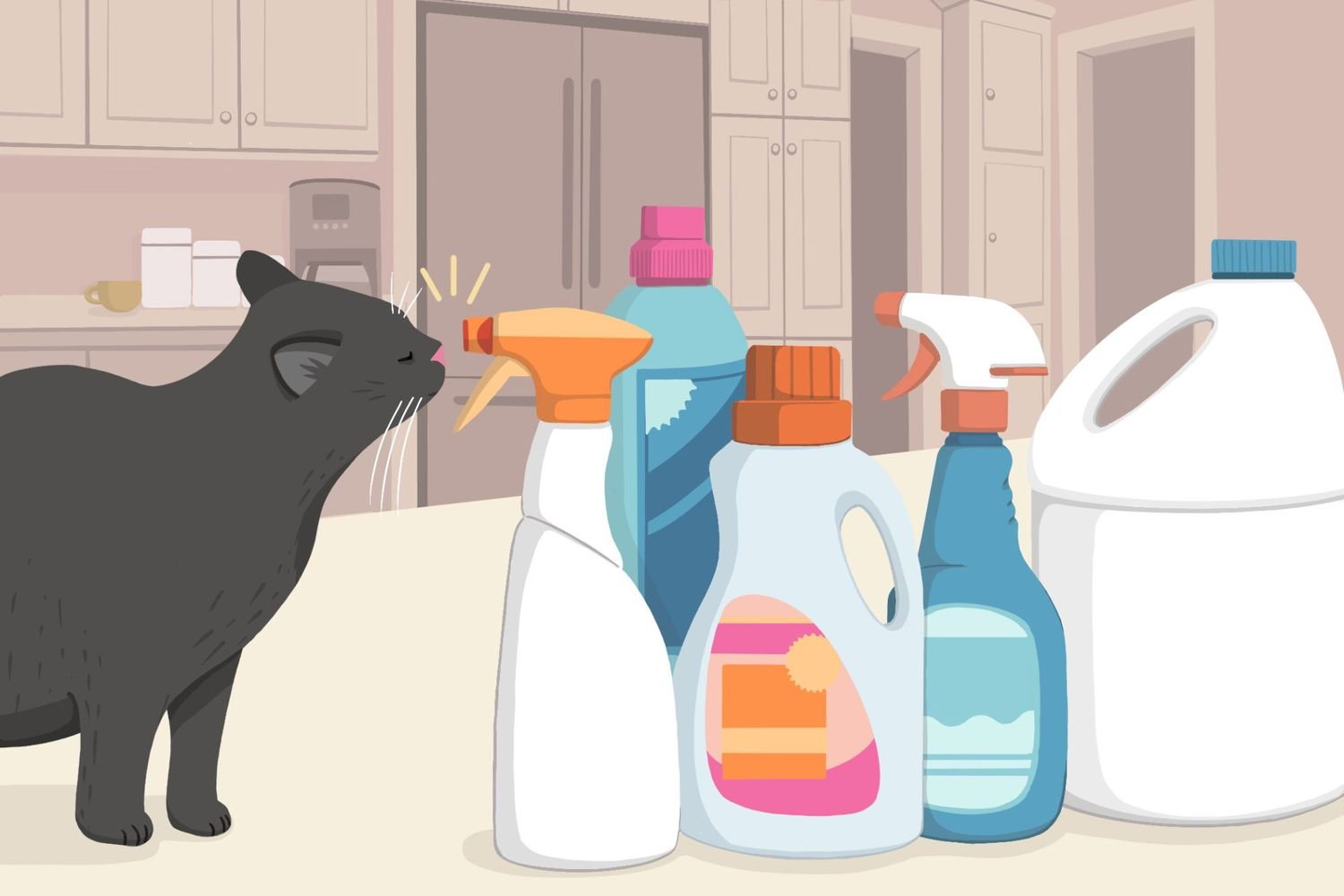
| Household cleaners | Some cleaners burn the mouth, skin, eyes, or digestive tract | Drooling, pain, vomiting, coughing, skin irritation |
| Essential oils and concentrated fragrances | Some oils can irritate the lungs or affect the nervous system and liver | Drooling, vomiting, weakness, breathing changes |
| Ant and slug products | Certain insecticides can cause severe stomach or neurologic signs | Vomiting, tremors, seizures, weakness |
Why lilies need special attention
If your cat may have contacted a true lily or daylily, call a veterinarian immediately—even if your cat looks fine. Do not wait for vomiting or kidney symptoms.
Not every plant called a “lily” has the same toxic effect, but plant names can be confusing. Save a photo or sample, without handling it unnecessarily, so a professional can identify it.
Why human pain medicine is dangerous
Never give your cat a human pain reliever unless a veterinarian prescribed that exact medicine and dose. Acetaminophen is particularly dangerous for cats. Ibuprofen, naproxen, and aspirin can also cause serious harm when used incorrectly.
A pill dropped on the floor can be enough to create an urgent exposure. Count missing tablets and tell the veterinarian the strength shown on the package.

Poisoning symptoms can look like other cat illnesses
Vomiting, weakness, drooling, and hiding can also result from a blockage, kidney disease, diabetes, infection, heat stress, pain, or another medical emergency.
That overlap means you should not try to diagnose the cause from symptoms alone. A veterinarian may need a physical exam, blood tests, urine tests, imaging, or repeated tests over time.
A possible exposure changes the urgency. If you find chewed packaging, spilled liquid, missing medicine, a damaged plant, or a treated flea product near your cat, report it even if the symptoms seem unrelated.
A simple exposure checklist
Ask yourself:
- What could your cat reach?
- What item is missing, chewed, spilled, or disturbed?
- When might contact have happened?
- Could the substance be on your cat’s coat or paws?
- Are other pets or people exposed?
- Has your cat vomited, and can you safely identify anything in it?
- Has anyone already given your cat food, medicine, or a home remedy?
This information helps a poison specialist estimate risk. It does not replace professional assessment.

When is cat poisoning an emergency?
Go to an emergency veterinarian now if your cat has any of these signs:
- Trouble breathing or open-mouth breathing
- Seizures or severe tremors
- Collapse or inability to stand
- Loss of consciousness
- Pale, blue, gray, or brown gums
- Severe bleeding
- Repeated vomiting
- Suspected lily, antifreeze, or human medicine exposure
- Sudden severe weakness
- No urine or major changes in urination
- A known exposure to an unknown substance
Keep your cat warm and quiet during transport. Use a secure carrier. Do not force food, water, or medicine into the mouth of a weak, confused, or vomiting cat.
If your cat is having a seizure, move nearby objects away. Do not restrain the cat and do not put your fingers in the mouth. Record the seizure duration if you can do so without delaying care.

What information should you bring to the veterinarian?
Bring the product container, label, medication blister pack, plant photo, or a sealed sample. Include the active ingredient and concentration when available.
Tell the veterinarian:
- Your cat’s approximate weight
- The suspected amount
- The time of exposure
- The route of exposure
- Symptoms and when they began
- Any vomit, rinse, or treatment already given
- Other medicines or supplements your cat takes
If you cannot identify the substance, do not wait while searching online for a perfect answer. Take a photo of the item and call for instructions.
Common mistakes to avoid
Waiting for clear symptoms
Some toxins have a quiet early stage. Waiting may reduce treatment options.
Treating a cat like a dog
Cats process many medicines and chemicals differently from dogs. A treatment that may be used for one species can be unsafe for another.
Giving hydrogen peroxide
Hydrogen peroxide is not a safe general way to make a cat vomit. Do not use it unless a veterinarian gives specific, current instructions—and animal poison professionals commonly advise against it for cats.
Guessing the amount
Report the largest amount your cat could have reached if you do not know the exact dose. The professional can decide what detail matters.
Relying on internet symptom lists
A symptom list can help you notice danger, but it cannot rule out poisoning or identify the toxin. Use it to support a call, not to replace one.
How to prevent poisoning in cats
Prevention starts with limiting access:
- Store human and pet medicines in closed cabinets.
- Keep cleaners, pesticides, fertilizers, and automotive fluids secured.
- Use only flea and tick products labeled for cats.
- Never apply a dog flea product to a cat.
- Ask a veterinarian before using essential oils around cats.
- Check every bouquet and houseplant for cat safety.
- Keep pills out of pockets, counters, and bedside areas.
- Close toilet lids if cleaners are used in the bowl.
- Clean spills at once and keep pets away until the area is safe.
- Store rodent bait where cats and wildlife cannot reach it.
- Keep the original package so the ingredients are available during an emergency.
Ask your veterinarian which plants and parasite products are suitable for your household. Product labels can change, so read the current label each time.
Frequently asked questions
Can a cat be poisoned without vomiting?
Yes. Vomiting is common with some toxins, but other poisons may first cause weakness, breathing changes, tremors, seizures, bleeding, or abnormal behavior. A cat can also have internal injury before any visible sign appears.
How long does it take for poisoning symptoms to start in cats?
It varies widely. Some toxins cause signs within minutes or hours. Others, including some products that injure the kidneys, liver, or blood, may cause delayed symptoms. Call promptly rather than using symptom timing to decide whether an exposure is safe.
Should I give my cat milk after suspected poisoning?
No. Milk does not neutralize most poisons and may worsen stomach upset. Give nothing by mouth unless a veterinarian or animal poison professional tells you to do so.
Can a poisoned cat recover?
Many cats recover when the exposure is identified and treatment starts early. The outcome depends on the substance, amount, timing, route of exposure, and the cat’s condition. Some toxins cause permanent organ damage or can be fatal.
What if I do not know what poisoned my cat?
Call an emergency veterinarian or animal poison service. Describe the symptoms and list everything your cat could have reached. Bring photos, packaging, plants, or other clues. Do not delay care while trying to identify the substance yourself.
Conclusion: act early when poisoning is possible
The clearest way to tell if your cat may have been poisoned is to connect sudden symptoms with a possible exposure. But symptoms alone cannot confirm the cause, and a cat may appear normal during the early stage of a dangerous poisoning.
Move your cat away from the suspected substance, avoid home remedies, collect the packaging or plant information, and call a veterinarian or U.S. animal poison service. If your cat has breathing trouble, seizures, collapse, or a known high-risk exposure, go to an emergency veterinary hospital immediately.