
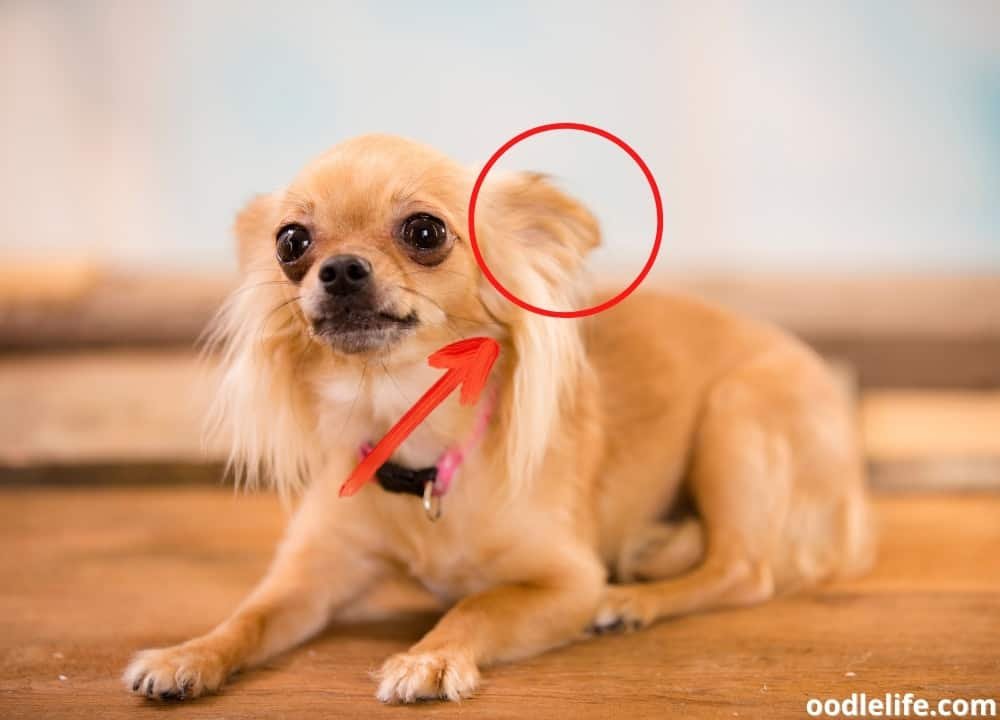
When a dog’s ears are up, the dog is usually alert and paying attention. It may have heard a sound, noticed a person, or focused on another animal. Upright ears do not always mean the dog is happy or ready to play. Read the ears with the eyes, mouth, tail, body, and setting.
For example, a dog at a U.S. dog park may raise its ears when it hears a gate open. The same dog may keep its ears up while feeling tense around an unfamiliar dog. Context changes the meaning.

What Do Upright Dog Ears Mean?
Upright ears often show that a dog is interested, alert, or trying to locate a sound. The dog may be gathering information before it decides what to do next.
Dogs can move each ear toward different sounds. This helps them detect where a noise comes from. A dog may raise its ears when it hears a delivery truck, sees a squirrel, or notices a new smell.
Common meanings include:
- Interest: The dog has noticed something new.
- Attention: The dog is watching or listening closely.
- Curiosity: The dog is deciding whether something is safe.
- Excitement: The dog expects play, food, or a walk.
- Concern: The dog sees something it does not understand.
- Defensive alertness: The dog feels threatened and is preparing to respond.
Ears alone cannot tell you which meaning applies. The American Veterinary Medical Association and veterinary behavior resources advise reading a dog’s full body language rather than relying on one signal.
The Whole Dog Gives the Real Answer
Look at the dog’s full body before you approach, touch, or call it closer. The ears are one part of a larger signal.
Signs of relaxed attention
A dog may be alert but comfortable when it has:
- Soft eyes
- A loose jaw
- A relaxed mouth
- Normal breathing
- A body that curves or moves freely
- A tail held in a natural position
- Ears that move and shift rather than stay rigid
This dog may simply be watching the world. It may turn toward you if you speak, then return to looking around.
Signs of friendly excitement
Raised ears may occur with happy excitement when the dog also shows:
- A loose, wiggly body
- A relaxed open mouth
- Bright but soft eyes
- A tail that moves freely
- A play bow, with the front legs low and the rear raised
- Easy movement toward a familiar person or dog
A wagging tail does not always mean friendliness. Tail speed, height, and body tension matter too.
Signs of fear or stress
A frightened dog may hold its ears up or slightly back. Watch for:
- A stiff body
- Wide eyes or visible white around the eyes
- Lip licking
- Yawning outside a sleep setting
- Turning the head away
- Crouching
- A tucked or low tail
- Sudden stillness
- Avoiding eye contact
Some dogs freeze before they retreat, bark, or snap. A still dog is not always a calm dog.
Signs of possible aggression
Raised ears can appear during defensive or offensive behavior. Warning signs may include:
- A hard stare
- A closed, tight mouth
- Wrinkled nose
- Raised hackles
- Weight shifted forward
– A stiff tail held high - Growling or a low bark
- Lunging or blocking movement
Do not punish a growl. A growl is a warning signal. Create space and seek help from a qualified behavior professional if the behavior repeats.
| Ear position | Other body signals | More likely meaning |
|---|---|---|
| Up and mobile | Loose body, soft eyes | Calm interest |
| Up and forward | Stiff body, fixed stare | Strong alertness or concern |
| Up with relaxed mouth | Wiggly body, natural tail | Excitement or social interest |
| Partly back | Crouched body, lip licking | Fear or stress |
| Flattened back | Tucked tail, low body | Strong fear or appeasement |
| One ear up | Head tilt or scanning | Trying to locate a sound |
These are useful patterns, not fixed rules. Each dog has its own normal behavior.

Why Breed and Ear Shape Matter
A dog’s natural ear shape changes how you should read its ears. German Shepherd Dogs, Siberian Huskies, Chihuahuas, and many mixed-breed dogs may show clear ear movement. Basset Hounds, Cocker Spaniels, and other floppy-eared dogs may show emotion through smaller changes in the ear base, head, eyes, and body.
Some dogs have ears that naturally stand up. Others have ears that fold, tilt, or remain low. A dog with upright ears is not automatically more confident, dominant, or aggressive.
Ear cropping also affects interpretation. Cropped ears may stand in a fixed position and provide fewer natural signals. The American Veterinary Medical Association opposes ear cropping when it is done only for cosmetic reasons. Do not judge a dog’s mood from ear height alone, especially when the ears have been altered.
Age and experience matter as well. Puppies may raise their ears when they hear something new. Older dogs may change their posture if hearing loss makes sound harder to locate.

What Does It Mean When a Dog’s Ears Are Up and Forward?
Ears held up and forward often mean the dog is focusing on something in front of it. The dog may be interested, excited, or concerned.
Check the dog’s body:
- Loose body and soft face: The dog may be curious or interested.
- Rigid body and fixed stare: The dog may feel threatened.
- Open mouth and bouncy movement: The dog may be excited.
- Closed mouth and forward weight shift: The dog may be preparing to react.
Do not walk straight toward a dog that is standing stiffly with ears forward. Turn your body slightly, avoid staring, and give the dog more room. If the dog is yours, call it away only if it can respond safely. Otherwise, reduce the trigger from a safe distance.
What Does It Mean When One Ear Is Up?
One ear up often means a dog is tracking a sound from one direction. The dog may be listening to a noise that you cannot hear.
A one-ear-up position can also be normal for a dog with uneven ear carriage. Some dogs hold one ear differently because of their genetics, age, injury, or past surgery.
Watch for sudden change. If one ear stays up while the dog repeatedly shakes its head, scratches, rubs the ear, or shows pain, a medical problem may be present. Possible causes include:
- Ear infection
- Ear mites
- Foreign material
- Allergy-related irritation
- Injury
- A grass awn or other plant piece
- A problem deeper in the ear
Do not put human ear drops, cotton swabs, alcohol, or oils into a dog’s ear unless a veterinarian tells you to use them. The eardrum may be damaged, and some products can worsen injury.

Can Upright Ears Mean a Dog Is Happy?
Yes, upright ears can occur when a dog is happy, but they do not prove happiness. A happy dog usually shows several relaxed signals at the same time.
Look for a loose body, natural tail movement, soft eyes, relaxed facial muscles, and easy movement. A dog that is happy to see you may raise its ears, wag, lean toward you, and bring a toy.
A dog can also raise its ears when it is scared. Fear may look less obvious when a dog stands still. The difference often appears in muscle tension, eye shape, mouth position, and whether the dog can move away.
A useful rule is simple: loose means more comfortable; stiff means more concern. This rule is not perfect, but it helps prevent a common mistake—assuming that alertness always means joy.
How to Read Your Dog’s Ears Safely
Use this short process when you see your dog’s ears rise:
- Pause. Do not rush toward the dog or touch its head.
- Find the trigger. Look for a sound, person, animal, object, or smell.
- Check the body. Notice the eyes, mouth, tail, back, legs, and weight.
- Watch for change. See whether the dog relaxes, moves away, stiffens, or approaches.
- Give space when needed. Increase distance from the trigger if the dog looks tense.
- Reward calm behavior. If the dog can respond, use a calm voice and a small treat.
- Record patterns. Note when the behavior happens and what follows.
Do not force a dog to greet a person or another dog while its body is stiff. Do not hold the dog in place for a photo. Children should ask an adult before approaching an unfamiliar dog, even when the dog’s ears look friendly.
At a U.S. shelter, veterinary clinic, or public park, follow staff instructions. Staff may see stress signs that are easy to miss in a busy setting.

When Upright Ears May Signal a Health Problem
Upright ears are usually a normal behavior when they appear briefly and match the dog’s usual pattern. A sudden or one-sided change may need veterinary attention.
Contact a veterinarian if your dog has raised or uneven ears along with:
- Head shaking
- Scratching at the ear
- Redness or swelling
- Bad odor
- Discharge
- Pain when touched
- Loss of balance
- A head tilt
- Reduced hearing
- A sudden change in behavior
A dog that cannot lower one ear may have pain, inflammation, nerve trouble, or another condition. A veterinarian needs to examine the ear canal to find the cause.
Seek urgent veterinary care for severe pain, loss of balance, repeated vomiting, facial drooping, collapse, or a suspected foreign object. Do not delay care while trying home remedies.
Behavior can also change because of pain elsewhere in the body. If a normally relaxed dog becomes tense, watchful, or touch-sensitive, schedule a veterinary check rather than assuming the issue is training.

Common Mistakes When Reading Dog Ears
Mistake 1: Treating ears as a mood label
“Ears up means happy” is too simple. Ears up may mean interest, worry, excitement, or defense.
Mistake 2: Ignoring stiffness
A stiff body can matter more than the ear position. A dog with forward ears and a rigid body needs space.
Mistake 3: Assuming a wagging tail means friendliness
Dogs wag their tails during excitement, fear, conflict, and frustration. Read the tail with the rest of the body.
Mistake 4: Correcting a warning signal
Punishing growling may stop the sound without removing the fear or conflict. The dog may then give fewer warnings. Move away and get behavior help.
Mistake 5: Using one rule for every dog
Breed, ear shape, age, health, training, and past experience all affect body language. Learn your dog’s relaxed baseline.
Mistake 6: Touching an ear that may hurt
A dog with an ear infection or injury may react defensively. Pain can make even a gentle dog snap.

Frequently Asked Questions
Are dogs with their ears up aggressive?
No. Raised ears alone do not show aggression. Look for a stiff body, hard stare, tight mouth, forward weight shift, growling, or lunging. When those signs appear, create space.
Why do dogs put their ears up when you talk to them?
Dogs may raise their ears to hear your voice, identify your words, or watch your face. The response may show attention, not a specific emotion.
Why are my dog’s ears up when it sleeps?
A dog may sleep lightly while listening to sounds around it. Brief ear movement during sleep is often normal. If the dog cannot relax, startles often, or shows pain, ask a veterinarian for advice.
Should I pet a dog with upright ears?
Only if the dog is familiar with you, relaxed, and choosing to approach. Ask the owner first. Avoid reaching over an unfamiliar dog’s head.
Can a dog’s ears show pain?
They can offer a clue, but ear position cannot diagnose pain. Persistent one-sided posture, scratching, odor, discharge, head shaking, or sensitivity needs a veterinary examination.
Key Takeaways
- Upright ears usually mean a dog is alert or focused.
- Ears alone cannot show whether a dog is happy, afraid, or aggressive.
- A loose body suggests comfort; a stiff body suggests caution.
- Breed, ear shape, age, and ear cropping affect interpretation.
- Give a tense dog space instead of forcing contact.
- See a veterinarian for sudden ear changes, pain, discharge, odor, or balance problems.
Conclusion
When a dog’s ears are up, it is usually paying attention. The safest way to understand the signal is to identify the trigger and read the dog’s full body. Soft eyes, a loose body, and natural movement suggest calm interest. Stiffness, staring, retreat, or warning sounds call for more space.
Watch your dog’s normal patterns. If the ear change is sudden or comes with pain, scratching, odor, discharge, or balance problems, contact a veterinarian.