
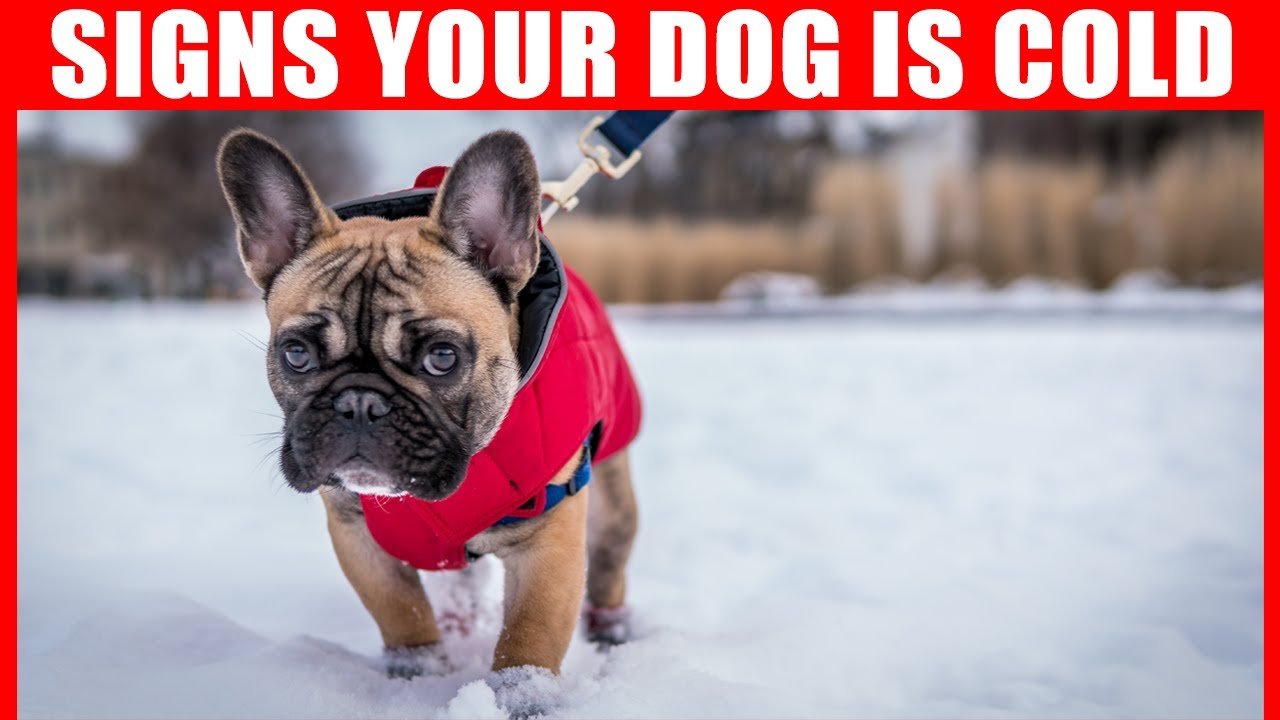
Introduction
Your dog may have a cold-like illness if they sneeze, cough, have a runny nose, watery eyes, or seem tired. But dogs do not usually catch the same cold viruses that affect people. Similar signs can come from kennel cough, canine influenza, allergies, pneumonia, nasal irritation, or another health problem.
Watch your dog’s breathing, energy, appetite, and discharge. Mild signs may improve with rest and close care, but breathing trouble, blue or pale gums, collapse, severe weakness, or repeated vomiting need urgent veterinary help. When in doubt, call a licensed veterinarian in the United States for advice.

What Does a “Dog Cold” Mean?
A “dog cold” is a simple term for mild upper respiratory signs. It is not a precise medical diagnosis. In dogs, these signs often result from a viral or bacterial respiratory infection, but other causes are possible.
Common cold-like signs include:
- Sneezing
- A clear, watery runny nose
- Mild coughing
- Watery eyes
- Slightly lower energy
- A mild decrease in appetite
- A stuffy or noisy nose
Dogs can also develop more serious respiratory disease. Canine influenza, infectious tracheobronchitis—often called kennel cough—and pneumonia may begin with signs that look mild.
Human cold viruses usually do not cause the same illness in dogs. Still, wash your hands after caring for a sick pet. This helps reduce the spread of germs between animals and people.

Common Signs of a Cold in Dogs
The most useful way to judge a possible dog cold is to look at the whole pattern, not one sign alone. A single sneeze after sniffing dust is often harmless. Repeated symptoms plus low energy or poor appetite deserve more attention.
Sneezing and nasal discharge
Repeated sneezing may occur with a respiratory infection, dust, smoke, pollen, or a foreign object in the nose. Clear discharge is often less concerning than thick yellow, green, bloody, or foul-smelling discharge.
A one-sided bloody or thick discharge can point to a grass seed, tumor, dental problem, or other nasal disease. It should be checked by a veterinarian.
Coughing
A dry, hacking cough may occur with kennel cough. Some dogs cough after pulling on a collar, drinking water, or becoming excited. A wet cough, worsening cough, or cough paired with fast or difficult breathing is more concerning.
Do not assume every cough is a cold. Heart disease, parasites, collapsing trachea, and pneumonia can also cause coughing.
Watery eyes
Mildly watery eyes may occur with a respiratory infection or irritation. Redness, swelling, squinting, pain, thick eye discharge, or trouble seeing needs veterinary attention.
Tiredness and appetite changes
A mildly sick dog may sleep more but still respond to you, drink water, and eat some food. Marked weakness, refusal to drink, repeated vomiting, or refusal to eat is not typical of a minor cold.
Fever
A dog’s normal temperature is higher than a person’s. A thermometer is the only reliable way to check it. Do not force a temperature check if your dog is anxious, painful, or likely to bite. Ask a veterinary team to show you how to do it safely.
Signs that may occur with fever include shivering, warm ears, low energy, panting, and poor appetite. These signs do not prove a fever, so avoid judging temperature by touch alone.

Cold Symptoms Versus More Serious Illness
Cold-like symptoms overlap with many canine diseases. The duration, severity, and combination of signs help guide the next step, but only a veterinary examination can identify the cause with confidence.
| Sign or pattern | Possible explanation | What to do |
|---|---|---|
| A few sneezes after outdoor activity | Dust, pollen, or mild irritation | Move your dog away from the irritant and monitor |
| Sneezing, clear discharge, normal energy | Mild respiratory illness or irritation | Call your vet if it lasts, spreads, or worsens |
| Repeated dry cough after boarding or daycare | Kennel cough or another contagious infection | Keep your dog away from other dogs and contact your vet |
| Cough with fever, weakness, or poor appetite | More serious respiratory infection | Arrange prompt veterinary care |
| Thick nasal discharge or a wet cough | Bacterial infection, pneumonia, or another disease | Contact your vet soon |
| Labored breathing, blue gums, collapse, or extreme weakness | Respiratory emergency | Seek emergency veterinary care now |
| One-sided bloody discharge or facial swelling | Foreign object, dental disease, or nasal disease | Arrange a veterinary examination |
Kennel cough
Kennel cough is a group of contagious respiratory infections. Dogs may develop a forceful, dry cough that sounds as if something is stuck in the throat. Exposure can occur at boarding facilities, dog parks, grooming salons, training classes, shelters, or veterinary waiting rooms.
Some dogs remain bright and eat normally. Others develop fever, nasal discharge, poor appetite, or pneumonia. Keep a coughing dog away from other dogs and call the veterinary clinic before arriving. The clinic may ask you to wait outside to protect other patients.
Canine influenza
Canine influenza is a contagious respiratory disease caused by influenza viruses that infect dogs. Signs may include coughing, sneezing, nasal discharge, fever, tiredness, and reduced appetite. Some dogs become much sicker than others.
Local outbreaks and risk vary. Ask your veterinarian whether your dog’s lifestyle or local disease activity affects vaccination or other prevention choices.
Pneumonia
Pneumonia affects the lungs and can make breathing difficult. Warning signs include a wet or productive cough, fever, rapid breathing, marked weakness, bluish gums, and refusal to eat.
Pneumonia can become life-threatening. A dog with these signs needs prompt veterinary assessment rather than home treatment alone.

How to Check Your Dog at Home
A calm home check can help you describe the illness to your veterinarian. It cannot replace an examination, testing, or X-rays when those are needed.
1. Watch your dog breathe
Watch your dog while they are resting or sleeping. Look for:
- Strong belly movement
- Stretched-out neck
- Open-mouth breathing when not hot or exercising
- Noisy breathing
- Long pauses
- A much faster breathing rate than usual
- Inability to settle or lie down
If breathing looks hard, do not wait to see whether a home remedy works. Call an emergency veterinary hospital.
2. Check the gums
Healthy gums are usually pink, though normal color can vary in dogs with naturally dark pigment. White, gray, blue, or very pale gums can signal a serious problem.
Pressing a finger gently on pink gum tissue should make it briefly pale, then pink again. This is not a complete health test. Abnormal gum color, collapse, or breathing trouble is an emergency.
3. Note food and water intake
Write down whether your dog eats, drinks, vomits, or has diarrhea. A sick dog that will not drink can become dehydrated, especially in hot weather or after vomiting.
Do not force food or water into a weak dog. They may inhale it into the lungs.
4. Record the symptoms
Note:
- When the signs began
- Whether they are getting better or worse
- The color and amount of nasal or eye discharge
- The type and frequency of cough
- Recent boarding, daycare, grooming, travel, or dog-park visits
- Contact with sick dogs
- Any new medication or possible toxin exposure
A short video of the cough or breathing can help your veterinarian if the signs stop before the appointment.

When to Call a Veterinarian
Call your veterinarian for advice if your dog has repeated coughing, ongoing sneezing, nasal discharge, eye discharge, fever, reduced appetite, or unusual tiredness. Contact the clinic before bringing in a coughing dog because the staff may use special infection-control steps.
Seek urgent veterinary care for:
- Difficulty breathing
- Blue, gray, white, or very pale gums
- Collapse or inability to stand
- Severe weakness or confusion
- A wet cough with marked illness
- Repeated vomiting or inability to keep water down
- A very young puppy with respiratory signs
- An elderly dog or a dog with heart, lung, or immune problems that is getting worse
- Suspected poisoning or a foreign object
A mild case may need rest and monitoring. A more serious case may need chest X-rays, blood tests, respiratory testing, oxygen, fluids, or prescription medicine. Your veterinarian chooses tests based on the examination and risk factors.

How to Care for a Dog With Mild Cold-Like Signs
If your veterinarian agrees that home monitoring is reasonable, keep care simple and supportive.
- Let your dog rest in a warm, quiet area.
- Offer fresh water often.
- Feed the usual food unless your veterinarian recommends another diet.
- Use a harness instead of a neck collar if pulling triggers coughing.
- Keep your dog away from smoke, sprays, dust, and strong scents.
- Avoid dog parks, daycare, boarding, grooming, and group training until your vet says contact with other dogs is safe.
- Wash food bowls, bedding, and your hands after handling a sick dog.
- Follow the prescribed dose and schedule for any veterinary medicine.
Do not give human cold medicine, pain medicine, decongestants, or cough syrup unless a veterinarian specifically tells you to do so. Products containing acetaminophen, ibuprofen, pseudoephedrine, phenylephrine, or other ingredients can seriously harm dogs.
Do not use leftover antibiotics. Antibiotics do not treat viral infections, and the wrong drug or dose can cause harm and delay proper care.
Many contagious respiratory illnesses spread through cough droplets, direct contact, and contaminated objects. The safe isolation period depends on the cause, so ask your veterinarian when normal activities can resume.

How Veterinarians Diagnose the Cause
A veterinarian may start with a physical examination and questions about exposure. They may listen to the lungs, check the temperature, examine the nose and eyes, and assess hydration.
Further tests may be useful when signs are severe, persistent, recurrent, or unusual. These can include:
- Chest X-rays
- Blood tests
- Swabs or polymerase chain reaction tests for respiratory pathogens
- Fecal testing for some parasites
- Heart testing when heart disease is possible
- Examination for a foreign object or dental disease
Testing is not always needed for a dog with brief, mild signs and normal energy. The need for testing changes when the dog is young, elderly, pregnant, immunocompromised, unvaccinated, or exposed to many other dogs.
A diagnosis matters because treatment differs. Rest may be enough for mild irritation, while pneumonia may require hospital care.

Can You Prevent Colds and Respiratory Infections?
You cannot prevent every respiratory illness, but you can lower exposure and support routine health care.
Keep vaccines current based on your dog’s lifestyle and your veterinarian’s advice. Vaccines may reduce the risk or severity of some infections, but they do not prevent every cause of coughing or sneezing.
Before daycare, boarding, grooming, or group classes, ask which vaccines are required and how the facility handles sick dogs. Avoid close contact with dogs that are coughing or have nasal discharge.
Good prevention also includes:
- Routine veterinary visits
- Safe nutrition and clean water
- Reduced exposure to cigarette smoke and harsh fumes
- Prompt care for dental disease
- Avoiding crowded dog settings during known local outbreaks
- Cleaning shared bowls and bedding
A healthy immune system helps, but it does not make a dog immune to infection.

Key Takeaways
- A dog with a “cold” may sneeze, cough, have a runny nose, or seem tired.
- These signs can also indicate kennel cough, canine influenza, pneumonia, allergies, or another disease.
- Watch breathing, gum color, appetite, water intake, and energy level.
- Keep a coughing or sneezing dog away from other dogs until a veterinarian gives guidance.
- Never give human cold medicine or pain medicine without veterinary direction.
- Breathing trouble, blue or pale gums, collapse, and severe weakness require urgent care.
Frequently Asked Questions
Can dogs catch a cold from people?
Usually, the viruses that cause common human colds do not cause the same illness in dogs. However, people can carry germs on their hands, clothing, or objects. Hand washing is a sensible step when caring for a sick dog.
How long does a dog cold last?
The course depends on the cause. Mild irritation may pass quickly, while kennel cough or another infection may last longer. If symptoms worsen, persist, or affect eating, drinking, or breathing, contact your veterinarian rather than relying on a set number of days.
Should I take my dog to the vet for sneezing?
Occasional sneezing with normal energy is often not urgent. Call your veterinarian if sneezing is frequent, lasts, comes with discharge, causes bleeding, or occurs with coughing, fever, poor appetite, or low energy.
Can I give my dog chicken soup or over-the-counter cold medicine?
Do not give human cold medicine unless your veterinarian directs you to use a specific product and dose. Some soup ingredients, such as onion, garlic, excess salt, or certain seasonings, can also harm dogs. Fresh water and the dog’s normal food are safer choices unless your vet advises otherwise.
Is kennel cough the same as a cold?
No. Kennel cough is a contagious respiratory syndrome with several possible causes. It often produces a dry, forceful cough, while a “cold” is a broad term for mild respiratory signs. The symptoms can overlap, so a veterinarian may be needed to tell them apart.
Conclusion
A few sneezes do not always mean your dog is sick. Repeated coughing, nasal discharge, low energy, poor appetite, or a change in breathing deserves closer attention. Keep your dog calm, avoid contact with other dogs, and call a veterinarian when signs persist or worsen.
If your dog struggles to breathe, collapses, or has blue or pale gums, seek emergency veterinary care immediately.