

A cat that suddenly starts meowing, yowling, or crying more than usual may be trying to tell you that something has changed. In the United States, the safest first step is to treat a sudden change in vocal behavior as a possible health or stress signal—not just “bad behavior.”
Common causes include pain, hunger, fear, mating behavior, changes at home, thyroid disease, high blood pressure, hearing loss, and cognitive changes in older cats. If the vocalizing is new, intense, or paired with other symptoms, schedule a veterinary exam.
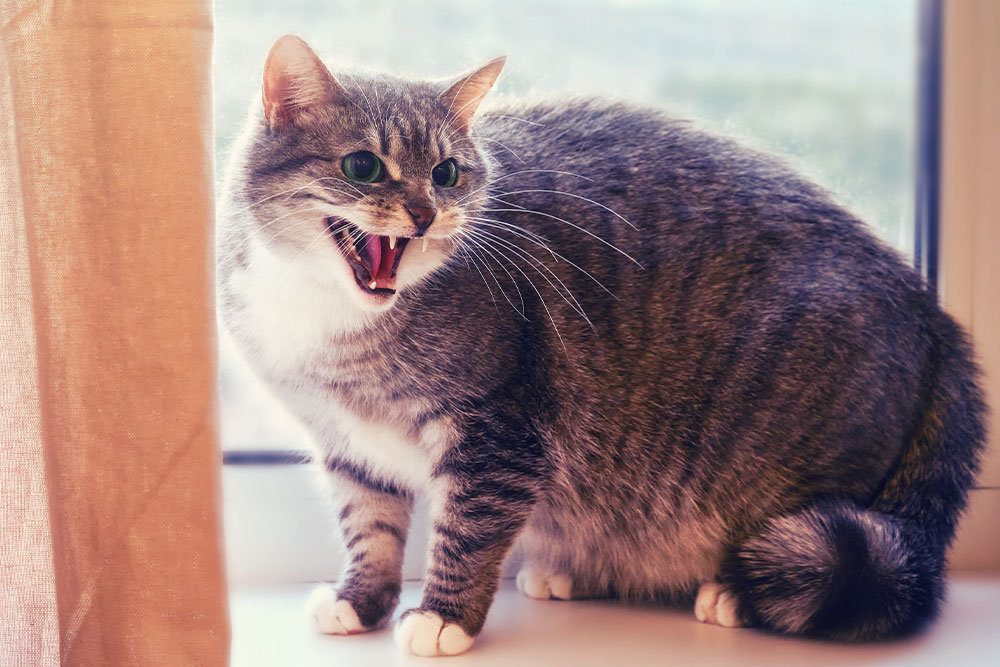
Quick answer: Why is my cat suddenly so vocal?
Your cat may be vocal because of:
- Pain or illness
- Hunger, thirst, or an unclean litter box
- Stress, fear, or a change in the home
- Mating behavior if your cat is not spayed or neutered
- Age-related hearing, vision, or brain changes
- Hyperthyroidism, kidney disease, high blood pressure, or another medical problem
- A learned habit that gets attention
- Boredom or a need for play
The timing matters. A cat that has always been talkative may simply have a chatty personality. A cat that becomes loud over a few days or weeks needs closer attention.
When sudden cat vocalization is an emergency
Sudden, distressed vocalizing can happen with a serious problem. Seek urgent veterinary care if your cat is crying and also shows any of these signs:
- Straining to urinate or making repeated trips to the litter box
- Producing little or no urine
- Trouble breathing
- Collapse, severe weakness, or inability to walk
- A swollen or painful belly
- Repeated vomiting
- Seizures or severe confusion
- Sudden blindness or large, unequal pupils
- Pale, blue, or gray gums
- Signs of poisoning or injury
A blocked urethra is a life-threatening emergency, especially in male cats. A cat that strains in the litter box may look constipated, but urinary blockage is also possible. Do not wait to see if it passes.
If your cat has trouble breathing, collapses, or may have eaten a toxin, contact an emergency veterinary hospital. In the United States, you can also call the ASPCA Animal Poison Control Center at (888) 426-4435 or the Pet Poison Helpline at (855) 764-7661. Fees may apply.
Medical reasons your cat may be meowing more
A sudden increase in vocalizing can be an early sign of illness. Cats often hide pain, so behavior may change before you see an obvious physical symptom.
Pain
Pain can cause a cat to cry, growl, yowl, or become unusually quiet. The source may be dental disease, arthritis, an injury, bladder pain, constipation, or abdominal disease.
Watch for:
- Hiding or avoiding touch
- Limping or moving stiffly
- A hunched posture
- Less grooming
- Reduced appetite
- Restlessness
- Aggression when handled
- Repeated licking of one body area
Do not give your cat human pain medicine. Acetaminophen, ibuprofen, and naproxen can be dangerous or fatal to cats.
Hyperthyroidism
Hyperthyroidism is common in older cats. It occurs when the thyroid gland produces too much thyroid hormone.
Possible signs include:
- Increased appetite with weight loss
- More drinking and urination
- Restlessness or irritability
- Vomiting or diarrhea
- A fast heartbeat
- A rough or unkempt coat
- More vocal behavior, especially at night
A veterinarian can check for hyperthyroidism with a physical exam and blood testing. It cannot be confirmed by behavior alone.
High blood pressure
High blood pressure can occur with kidney disease, hyperthyroidism, and other conditions. It may affect the eyes and brain.
Call a veterinarian promptly if your cat suddenly seems blind, bumps into objects, has very large pupils, appears confused, or cries while moving around. Early treatment may help limit damage, but sudden vision changes need fast attention.
Kidney disease or diabetes
Kidney disease and diabetes can cause increased thirst and urination. Affected cats may also lose weight, seem weak, vomit, or act unsettled.
A cat that vocalizes near the water bowl or litter box may be signaling discomfort rather than asking for attention.
Cognitive dysfunction in senior cats
Older cats may develop cognitive dysfunction, sometimes called feline dementia. They may yowl at night, stare at walls, wander, get stuck in corners, or seem unsure in familiar rooms.
Similar signs can also come from pain, high blood pressure, thyroid disease, kidney disease, vision loss, or hearing loss. A veterinary exam should come before assuming the cause is cognitive decline.
Hearing or vision loss
A cat with reduced hearing may vocalize more loudly because it cannot hear its own voice well. A cat with poor vision may cry when left alone or when the lights go out.
Keep furniture, food, water, and litter boxes in familiar places. Avoid startling your cat. Use a gentle touch or a visible hand signal before picking it up.

Behavioral and environmental causes
Not every vocal cat is sick. Changes in the home can make a cat meow more, even when its body is healthy.
Stress or fear
Cats may react to:
- A new person or pet
- Moving to a new home
- Construction noise
- Fireworks or storms
- New furniture
- Changes in work hours
- A different feeding schedule
- Conflict with another cat
- A neighborhood animal seen through a window
A stressed cat may also hide, spray urine, overgroom, stop eating, or avoid the litter box.
Give your cat a quiet space with food, water, a litter box, a bed, and a hiding place. Keep the daily routine steady. Do not punish vocalizing, hiding, or accidents. Punishment can increase fear and make the problem harder to solve.
Hunger, thirst, or a dirty litter box
Basic needs can trigger sudden meowing. Check:
- Whether your cat has fresh water
- Whether food was missed or changed
- Whether the bowl is clean
- Whether the litter box is accessible
- Whether the box has been cleaned
- Whether another pet blocks access
Most cats prefer clean, easy-to-reach litter boxes. In homes with several cats, provide enough boxes for the household. A common guideline is one box per cat, plus one extra, placed in separate areas.
Attention-seeking behavior
Cats quickly learn which sounds make people respond. If meowing leads to food, play, petting, or a door opening, the behavior may become stronger.
This does not mean your cat is being manipulative. It means the behavior has been rewarded. First rule out medical causes. Then reward quiet behavior, play, or calm interaction instead of responding to every loud cry.
Avoid yelling or spraying water. These responses may stop the sound for a moment but can increase anxiety.
Mating behavior
An unspayed female may become loud, restless, affectionate, and eager to escape when she is in heat. She may raise her hindquarters, roll on the floor, and call repeatedly.
An unneutered male may yowl, spray urine, pace, and try to reach females. Spaying or neutering can reduce hormone-driven behaviors, although it may not remove every learned habit.
Boredom and under-stimulation
Indoor cats need daily activity. A bored cat may vocalize, knock items down, wake people at night, or demand play.
Offer short play sessions with a wand toy, food puzzles, scratching posts, window perches, and safe places to climb. Do not leave string, ribbon, or small parts out without supervision because they can cause choking or intestinal blockage.

A simple way to find the cause
Use the pattern of the vocalizing as a clue. It is not a diagnosis, but it can help you decide what to check first.
| What you notice | Possible causes | What to do next |
|---|---|---|
| Crying in the litter box | Urinary pain, blockage, constipation | Check urine output and call a veterinarian promptly |
| Loud at night | Pain, cognitive changes, hearing or vision loss, anxiety | Arrange an exam, especially for a senior cat |
| Meowing near food | Hunger, diet change, hyperthyroidism, learned behavior | Check appetite and weight; do not assume it is only hunger |
| Vocalizing after a move | Stress, fear, insecurity | Create a quiet base room and keep routines steady |
| Yowling at windows | Outdoor cats, territorial stress, mating behavior | Block the view and discuss spaying or neutering |
| Crying when touched | Pain or injury | Stop handling the area and arrange veterinary care |
| Loud, restless, and losing weight | Hyperthyroidism or another illness | Schedule a medical exam and blood work |
| Sudden confusion or bumping into objects | Vision loss, high blood pressure, neurologic disease | Seek prompt veterinary care |
Track the behavior for 24 to 48 hours
Write down:
- When the vocalizing starts
- How long each episode lasts
- Where your cat is
- What the sound resembles
- Whether it happens before or after food
- Urination and bowel movements
- Appetite and water intake
- Vomiting or diarrhea
- Sleep, movement, and grooming
- Any recent household change
Record a short video if it is safe. A video can help a veterinarian understand whether the sound is a meow, yowl, growl, or pain cry.
Do not delay care while keeping a log if your cat has emergency signs, has stopped eating, or seems painful.

What to do at home while you arrange care
Start with safe, low-risk checks:
- Look at your cat’s overall condition. Check breathing, alertness, posture, movement, appetite, and comfort.
- Check the litter box. Look for urine, stool, blood, straining, or repeated visits.
- Offer fresh water and the usual food. Do not force food or water.
- Inspect the environment. Look for new pets, loud sounds, blocked access, or outdoor animals.
- Provide a calm room. Include familiar bedding, hiding space, food, water, and a clean litter box.
- Call your veterinarian. Explain that the vocalization is a new behavior and describe all related signs.
Do not start a new medicine, supplement, essential oil, or calming product without veterinary advice. Some human products and essential oils can harm cats.
If your cat has not eaten for about a day, contact a veterinarian. Cats that stop eating can develop serious liver problems, especially when they are overweight.
How veterinarians investigate sudden vocalization
A veterinarian may ask about the behavior, diet, litter box use, medications, age, and home changes. The exam may include the mouth and teeth, abdomen, joints, eyes, heart, blood pressure, and neurologic function.
Depending on the findings, testing may include:
- Blood work
- Urinalysis
- Thyroid testing
- Blood pressure measurement
- Dental evaluation
- X-rays or ultrasound
- An eye or neurologic exam
The right tests depend on the cat’s age, symptoms, and exam findings. A senior cat that cries at night may need a broader health check than a young cat that only meows near the food bowl.

Common mistakes to avoid
Assuming loud behavior is “just attention-seeking”
Attention-seeking is possible, but sudden behavior deserves a health check first. Cats may seek attention because they feel pain, confusion, fear, or discomfort.
Waiting for visible pain
Cats may eat and walk normally while still having dental pain, arthritis, or internal disease. A behavior change can be the first noticeable clue.
Punishing the cat
Yelling, chasing, or spraying water can increase stress. Use calm routines and reward quiet, relaxed behavior after medical causes have been considered.
Changing everything at once
Do not switch food, litter, feeding times, and household rules all at once. Too many changes make it harder to identify the cause and may increase stress.
Ignoring urinary signs
Repeated litter box trips, straining, genital licking, and crying can signal urinary disease. Little or no urine is an emergency.
When should you call the vet?
Call your veterinarian soon if the vocalizing:
- Is new or steadily increasing
- Lasts more than a day without a clear cause
- Happens mostly at night in an older cat
- Comes with weight loss, vomiting, diarrhea, thirst, or increased urination
- Occurs with hiding, aggression, limping, or reduced grooming
- Happens when your cat urinates, defecates, eats, or moves
- Follows a fall, fight, or possible toxin exposure
Seek emergency care for breathing trouble, collapse, seizures, severe pain, sudden blindness, or inability to urinate.

Evidence and sources
This guide reflects general veterinary information from established animal-health sources. These sources support the need to consider medical, behavioral, and age-related causes together:
- Cornell Feline Health Center: Hyperthyroidism
- Cornell Feline Health Center: Feline Lower Urinary Tract Disease
- Merck Veterinary Manual: Behavior Problems of Cats
- International Cat Care: Feline Cognitive Dysfunction
- American Association of Feline Practitioners: Cat-Friendly Practice
These references provide general education, not a diagnosis for one individual cat. A veterinarian must examine your cat to identify the cause.
FAQs
Why is my cat meowing loudly at night?
Night vocalizing can result from pain, anxiety, hunger, hearing or vision loss, hyperthyroidism, or cognitive changes. In an older cat, schedule a veterinary exam rather than assuming the behavior is normal aging.
Why is my cat suddenly meowing at me?
Your cat may want food, play, access to a room, or contact. It may also be signaling discomfort. Check the litter box, appetite, movement, and other symptoms before treating it as a habit.
Why is my female cat suddenly yowling?
If she is not spayed, she may be in heat. Heat can cause loud calling, restlessness, rolling, increased affection, and attempts to escape. A veterinarian can confirm the cause and discuss spaying.
Why is my cat crying in the litter box?
Crying in the litter box can indicate urinary pain, a blockage, constipation, or another problem. Check whether urine is being produced. Straining with little or no urine requires emergency care.
Can stress make a cat more vocal?
Yes. Moving, new pets, construction, schedule changes, and outdoor animals can trigger vocal behavior. Stress should still be considered alongside illness, especially when the change is sudden.
Conclusion
A cat that becomes vocal all of a sudden is communicating a change. Check urgent signs first, then consider pain, illness, stress, mating behavior, age, and learned habits.
If the change is new, strong, or paired with other symptoms, contact a veterinarian. Calm observation, a behavior log, and a short video can help your veterinary team find the cause faster.