

A dog that suddenly starts eating leaves may be bored, curious, hungry, stressed, or feeling sick. A few bites of a known, non-toxic plant may cause no harm, but you should not assume every leaf is safe. Some plants, lawn products, and garden chemicals can poison dogs.
The safest response in the United States is to stop access, identify the plant, and watch your dog for symptoms. Call your veterinarian promptly if your dog eats an unknown plant, eats a large amount, or shows signs such as vomiting, diarrhea, drooling, weakness, trouble breathing, tremors, or belly pain.

Is Eating Leaves Normal for Dogs?
Occasional leaf eating can be normal exploratory behavior. Dogs investigate the world with their mouths, especially puppies and young dogs. A dog may also chew leaves during walks because of scent, texture, movement, or simple curiosity.
However, a sudden change is worth watching. New leaf eating may point to nausea, stress, boredom, hunger, dental discomfort, or a condition called pica. Pica means eating non-food items. It can be linked to diet problems, intestinal disease, anemia, anxiety, or other medical issues.
Dogs do not reliably eat plants to “self-medicate.” Some dogs may vomit after eating grass or leaves, but vomiting does not prove that the plant helped them. It may simply mean that the plant irritated the stomach.
The risk depends on several factors:
- The plant species
- The amount eaten
- Your dog’s size and age
- Whether the plant had pesticides, herbicides, fertilizer, or mold
- Whether your dog swallowed stems, sharp parts, or a large mass of leaves
- Your dog’s health history
A small dog that eats several leaves may face more risk than a large dog that nibbles once. Puppies, senior dogs, and dogs with liver, kidney, or digestive disease may also need faster veterinary advice.
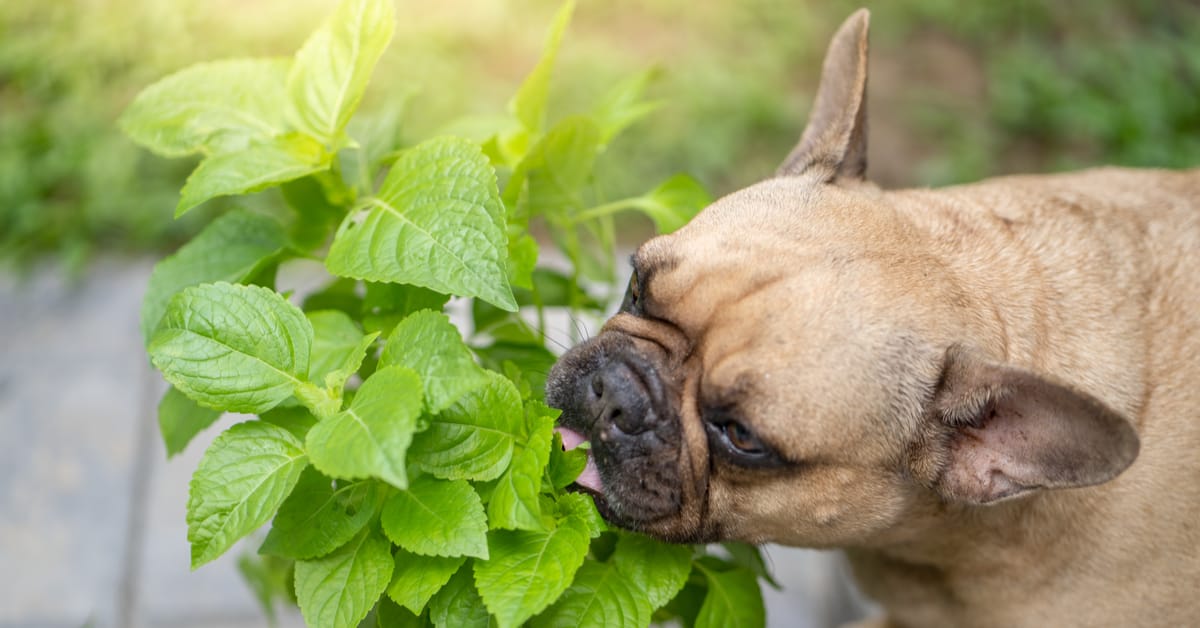
Common Reasons a Dog Suddenly Eats Leaves
Curiosity or normal exploration
Dogs often test new objects with their mouths. Fresh leaves may be more appealing after rain, wind, mowing, or seasonal growth. Puppies are especially likely to chew plants while learning what belongs in their environment.
This behavior should lessen when you calmly redirect your dog. If your dog keeps returning to leaves or begins eating other non-food items, look for a deeper cause.
Boredom or lack of activity
A dog with too little exercise or mental activity may create its own entertainment. Leaf eating can become a game, especially in a yard where leaves move in the wind.
Add short walks, sniffing time, food puzzles, training games, and supervised play. Do not rely on exercise alone if your dog also has vomiting, weight loss, diarrhea, or low energy.
Hunger or a change in diet
A dog may chew plants when meals are delayed, portions have changed, or a new food does not satisfy them. This does not mean your dog needs leaves as a source of nutrition.
Check whether:
- You changed food brands or formulas
- Your dog is receiving fewer calories than before
- A new medication has changed appetite
- Your dog is losing weight
- Your dog seems hungry all the time
- Your dog has increased thirst or urination
Do not add supplements or change the diet sharply without asking your veterinarian. Sudden diet changes can also cause stomach upset.
Nausea or stomach discomfort
Some dogs eat grass or leaves when they feel nauseated. Others may chew plants because they have acid reflux, intestinal irritation, parasites, or another digestive problem.
Look for other signs, including lip licking, repeated swallowing, drooling, restlessness, vomiting, diarrhea, reduced appetite, or a hunched posture. A dog with repeated stomach signs needs more than behavior training.
Anxiety or stress
A change at home can trigger unusual chewing. Common stressors include moving, a new baby, visitors, fireworks, construction, a new pet, or a change in schedule.
Stress-related chewing may happen during specific events or when your dog is alone. Provide a predictable routine and a quiet place to rest. If the behavior is severe or occurs with pacing, barking, hiding, or destructive chewing, ask your veterinarian about a behavior plan.
Pica or an underlying medical problem
If your dog eats leaves often, swallows them, or also eats dirt, rocks, fabric, plastic, or feces, pica becomes more likely. Medical causes can include anemia, intestinal disease, parasites, poor nutrient absorption, and other conditions.
A veterinarian may recommend a physical exam, blood tests, stool testing, or imaging based on your dog’s signs. The right tests depend on the dog and the pattern of behavior.

Are Leaves Poisonous to Dogs?
Some leaves are poisonous to dogs, while others mainly cause mild stomach upset. You cannot identify safety by leaf shape alone. Several toxic plants look harmless, and common names can vary by region.
The ASPCA maintains a searchable list of plants that are toxic and non-toxic to dogs, cats, and horses. Use the scientific name when possible because common plant names can be confusing.
Plants that may pose risks include some types of:
- Lilies and lily-like plants
- Sago palm
- Azaleas and rhododendrons
- Oleander
- Dieffenbachia
- English ivy
- Tulips and other bulb plants
- Autumn crocus
- Castor bean
- Certain mushrooms and wild plants
This list is not complete. A plant may affect the mouth, stomach, heart, nervous system, kidneys, or other organs. Some plants cause immediate signs. Others may cause delayed illness.
Lawn and garden products can add another risk. Leaves may carry weed killer, insecticide, slug bait, fertilizer, or other chemicals. Ask the property owner what was used and when. Do not let your dog return to a treated area until the product label says it is safe.
If your dog ate an unknown plant, take a clear photo or bring a sample in a sealed bag. Do not handle a potentially toxic plant with bare hands. Keep the sample away from children and pets.
What to Do If Your Dog Is Eating Leaves
Use this short safety check:
- Move your dog away from the plant. Use a calm voice and offer a treat or toy. Do not chase your dog, which can turn the behavior into a game.
- Check the mouth if it is safe. Remove loose plant material only if your dog allows it. Do not reach into the mouth of a frightened or painful dog.
- Identify the plant. Take photos of the whole plant, leaves, flowers, stem, and location. Note the time and estimated amount eaten.
- Check for chemical exposure. Find out whether the plant or soil had fertilizer, pesticide, herbicide, compost, or mold.
- Call for advice when the plant is unknown or possibly toxic. Contact your veterinarian, an emergency veterinary hospital, or a U.S. animal poison service.
- Monitor your dog closely. Watch appetite, energy, breathing, vomiting, stool, drooling, and behavior.
Do not make your dog vomit unless a veterinarian or poison professional specifically tells you to do so. Household methods such as salt, oil, milk, or hydrogen peroxide can cause harm or delay proper treatment.
In the United States, you can contact:
- ASPCA Animal Poison Control Center: 888-426-4435
- Pet Poison Helpline: 855-764-7661
Poison services may charge a consultation fee. If your dog is having trouble breathing, collapsing, seizing, bleeding, or becoming unresponsive, go directly to the nearest emergency veterinary hospital.
When Should You Call a Veterinarian?
Call your veterinarian the same day if your dog ate an unknown plant, consumed a large amount, or has any new digestive signs. Prompt advice matters because some toxins have delayed effects, and treatment options may depend on how recently the exposure happened.
Seek emergency care now if your dog has:
- Trouble breathing or swallowing
- Facial swelling
- Severe or repeated vomiting
- Bloody diarrhea
- Tremors or seizures
- Collapse, extreme weakness, or confusion
- A swollen or painful abdomen
- Pale, blue, or gray gums
- Heavy drooling with distress
- Repeated attempts to vomit without producing anything
- Suspected ingestion of a toxic plant or chemical
Do not wait for symptoms after a known toxic exposure. A dog can look normal early in some poisonings.
Also call your veterinarian if leaf eating continues for more than a few days, becomes intense, or occurs with weight loss, appetite changes, diarrhea, constipation, or other unusual behavior. A sudden habit can be the first visible sign of a medical problem.

How to Stop a Dog From Eating Leaves
Start with prevention, then teach a safe replacement behavior.
Remove access
Fence off garden beds and remove fallen leaves from areas where your dog plays. Identify houseplants and move risky plants out of reach. Keep compost, mulch, bulbs, fertilizer, and garden chemicals secured.
If you rent or share a yard, ask whether the lawn was treated. Avoid areas where you cannot confirm chemical use.
Teach “leave it”
Practice indoors first:
- Hold a low-value treat in a closed hand.
- Wait until your dog stops sniffing or pawing at it.
- Mark the calm moment with “yes” or another reward word.
- Give a better treat from your other hand.
- Add the cue “leave it” once your dog understands the game.
- Practice outside on a leash before using the cue near plants.
Reward your dog for looking at you and walking away. Do not punish after the dog has already eaten a leaf. Punishment can increase stress and may make your dog swallow items quickly.
Add safe outlets
Offer daily sniff walks, short training sessions, supervised play, and appropriate chew toys. Rotate toys so they stay interesting. Feed meals through a puzzle toy if your veterinarian agrees and your dog does not guard food.
Keep a simple behavior log
Write down:
- Where the leaf eating happens
- What plant your dog chooses
- Time of day
- Food and medication changes
- Exercise and stress events
- Other symptoms
- Whether your dog swallows the leaves
This record can help your veterinarian separate a habit from a health problem.

Leaf Eating Versus Grass Eating
Leaf eating and grass eating overlap, but they are not identical. Grass is usually a narrow blade from a lawn or pasture. Leaves may come from ornamental plants, trees, shrubs, houseplants, or garden crops. The plant source changes the risk.
A dog that nibbles untreated grass once may need only observation if it feels well. A dog that eats leaves from an unknown ornamental plant needs more caution because the plant may be toxic.
Do not assume that a “natural” plant is safe. Natural substances can still poison pets, cause obstruction, or carry chemicals. Treat unknown leaves as a possible exposure until you identify them.

Quick Decision Table
| What happened | What to do |
|---|---|
| One or two bites of a known, non-toxic plant and your dog feels normal | Remove access and monitor |
| Unknown plant or uncertain plant identification | Call your veterinarian or a poison service for guidance |
| Leaves treated with chemicals | Contact a veterinarian or poison service, even if symptoms have not started |
| Repeated leaf eating with vomiting, diarrhea, poor appetite, or weight loss | Arrange a veterinary exam |
| Leaf eating with collapse, seizure, breathing trouble, or severe weakness | Go to an emergency veterinary hospital now |
| Dog swallowed a large amount of leaves, stems, or a whole plant | Call a veterinarian promptly because blockage and toxicity are possible |
This table is a triage aid, not a diagnosis. Your dog’s size, age, health, plant type, and amount eaten can change the correct response.

Common Mistakes to Avoid
Assuming vomiting means the plant helped
Vomiting can signal irritation or illness. It does not confirm that a dog successfully removed a toxin.
Waiting because the dog looks fine
Some plant toxins have delayed effects. Call for advice after a known or suspected toxic exposure rather than waiting for symptoms.
Giving home remedies
Salt, milk, oil, and other home treatments can worsen illness. Hydrogen peroxide should only be used if a veterinarian gives specific instructions for your dog and situation.
Ignoring repeated behavior
A single nibble may be harmless. Persistent leaf eating, swallowing non-food objects, or eating unusual amounts deserves a veterinary discussion.
Using punishment
Scolding can increase anxiety and may cause a dog to gulp leaves faster. Calm interruption, removal of access, and reward-based training are safer approaches.
FAQs
Why is my dog eating leaves and throwing up?
Leaves may irritate the stomach, or your dog may already feel nauseated. Vomiting can also result from a toxic plant, chemical residue, infection, dietary problems, or a swallowed object. Call your veterinarian if vomiting repeats, contains blood, or occurs with weakness, pain, diarrhea, or poor appetite.
Can dogs eat leaves from trees?
Some tree leaves may cause little or no harm in small amounts, but others are toxic. Fallen leaves can also carry mold, chemicals, or animal waste. Identify the exact tree before assuming the leaves are safe.
Why is my puppy eating leaves?
Puppies often chew leaves because they are curious and still learning what to avoid. Use supervision, barriers, safe chew toys, and reward-based “leave it” training. Contact a veterinarian if the puppy swallows leaves, eats other objects, or develops symptoms.
Should I stop my dog from eating grass and leaves?
Yes, stop access to unknown plants and any area treated with chemicals. A few bites of known, non-toxic grass may not cause illness, but repeated or sudden plant eating should be monitored and discussed with a veterinarian if it continues.
Can leaf eating mean my dog has a nutritional deficiency?
It can occur with some medical or dietary problems, but leaf eating alone does not prove a deficiency. Do not start iron, vitamins, or other supplements without veterinary guidance. A veterinarian can decide whether diet review, blood work, or other tests are needed.
Conclusion
A dog eating leaves all of a sudden may be exploring, bored, stressed, hungry, nauseated, or showing pica. The most important question is not only how much your dog ate, but which plant or chemical was involved and whether symptoms are present.
Remove access, identify the plant, avoid home remedies, and monitor closely. Contact a U.S. veterinarian or animal poison service after an unknown or potentially toxic exposure. For repeated leaf eating or any sign of illness, arrange a veterinary exam rather than treating the behavior as a harmless habit.