Introduction
If your cat keeps throwing up undigested food, the food may not have reached the stomach. This is often regurgitation, not true vomiting. Regurgitation usually happens soon after eating and may look like a tube-shaped pile of food. True vomiting often includes nausea, belly contractions, drooling, and partly digested food.
A single episode may come from eating too fast. Repeated episodes can also point to hairballs, food problems, parasites, inflammation, a swallowed object, or another illness. The safest next step depends on how often it happens, how your cat acts, and whether other signs are present.
This guide explains the common causes, what you can check at home, and when a cat needs a U.S. veterinarian or emergency clinic.
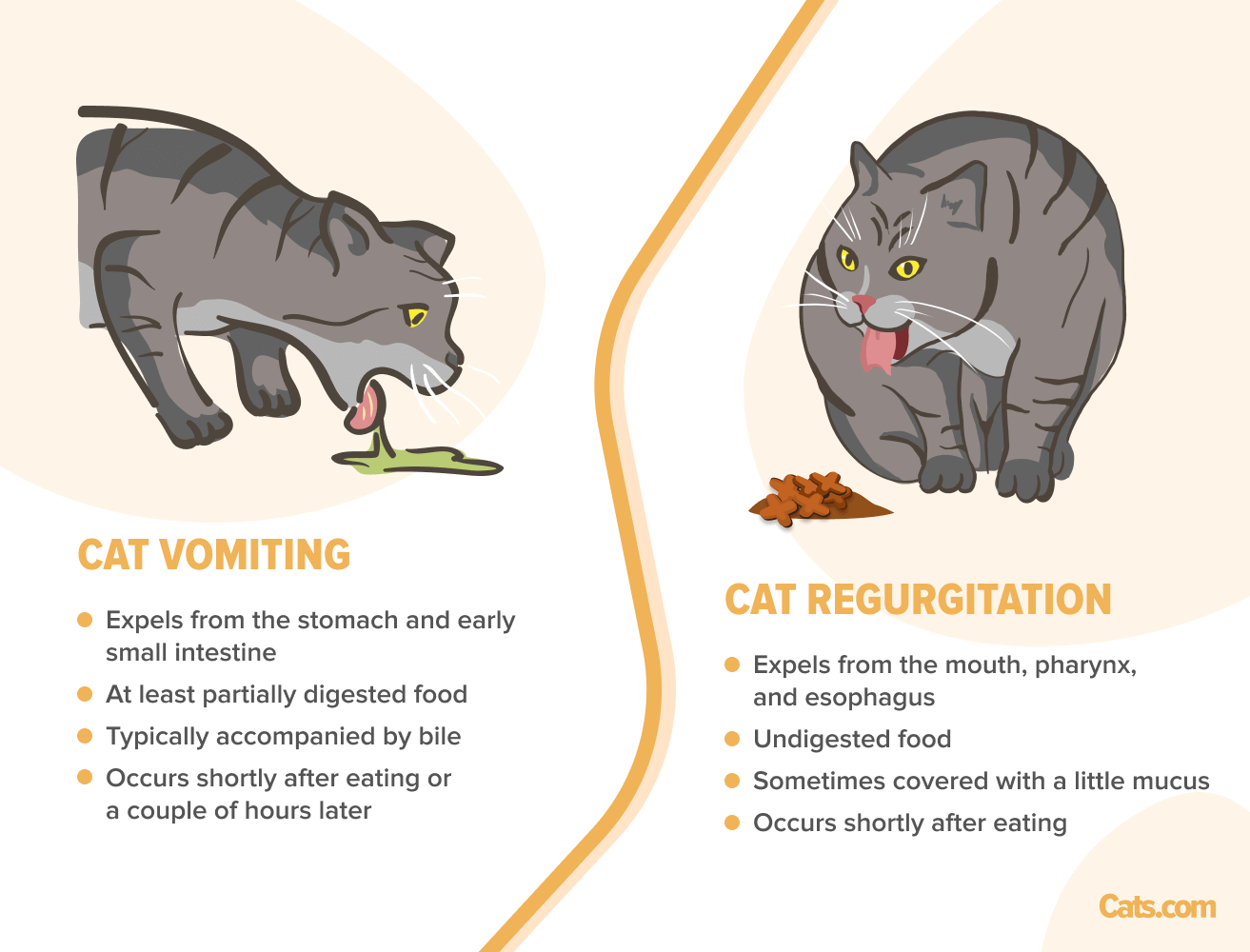
Regurgitation vs. vomiting: Why the difference matters
Regurgitation is a passive action. Food comes back up with little warning and little effort. It often happens within minutes of a meal. The food may look whole, moist, and shaped like a tube.
Vomiting is an active action. A cat may lick its lips, drool, retch, crouch, and tighten its belly before bringing food up. The material may be partly digested, yellow from bile, or mixed with foam.
Use this simple comparison:
| Sign | Regurgitation | Vomiting |
|---|---|---|
| Timing | Often soon after eating | Can happen hours after a meal |
| Effort | Little or no retching | Retching and belly contractions |
| Food | Often whole and tube-shaped | Often partly digested or liquid |
| Main body area | Esophagus, the food tube | Stomach or upper intestine |
| Common trigger | Eating too fast or esophagus problems | Stomach illness, toxins, obstruction, or disease |
The difference does not diagnose the problem by itself. A cat can also vomit soon after eating, and a serious illness can first look mild.
If possible, record a short video. Note how long after eating the episode occurs. This can help your veterinarian tell regurgitation from vomiting.
Common reasons a cat throws up undigested food
Eating too fast
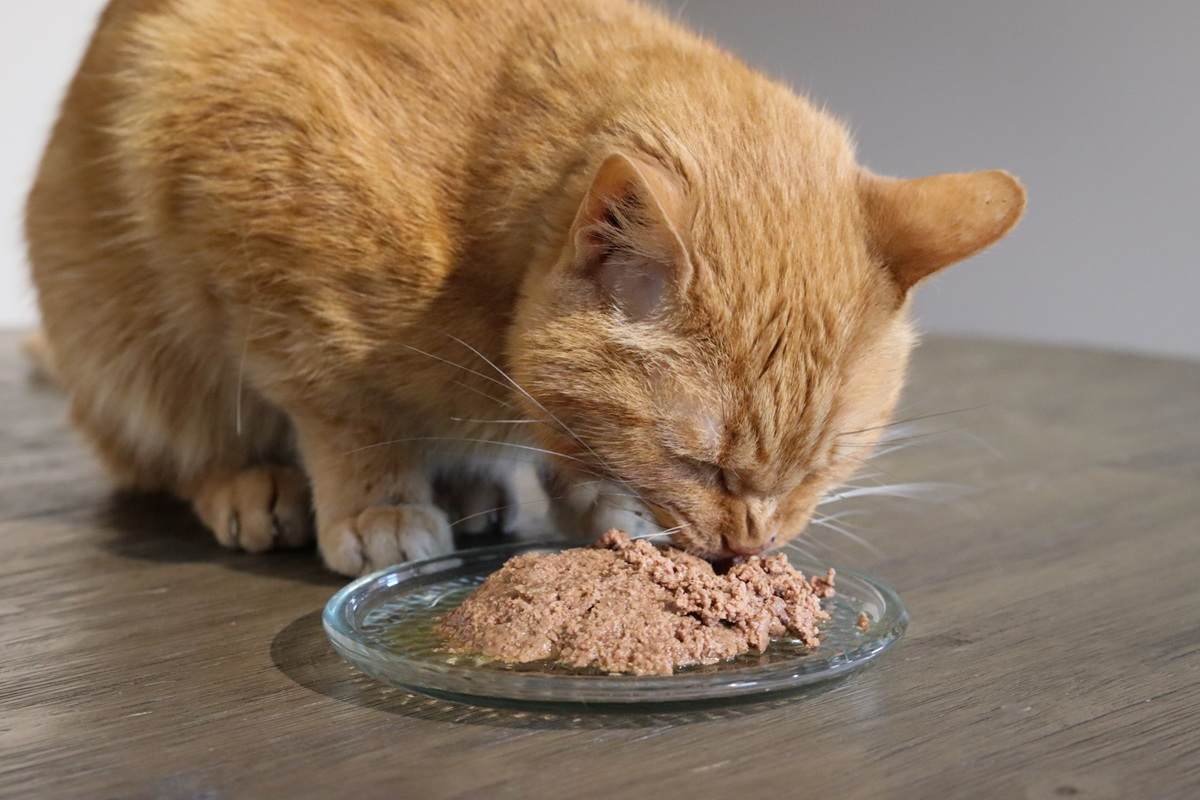
Some cats gulp food, drink a large amount of water, or compete with other pets. Their stomach may stretch quickly. The cat may then bring up a nearly unchanged meal.
This is more likely when your cat:
- Acts normal before and after the episode
- Has no diarrhea or pain
- Keeps normal energy
- Eats again without trouble
- Has episodes mainly after large meals
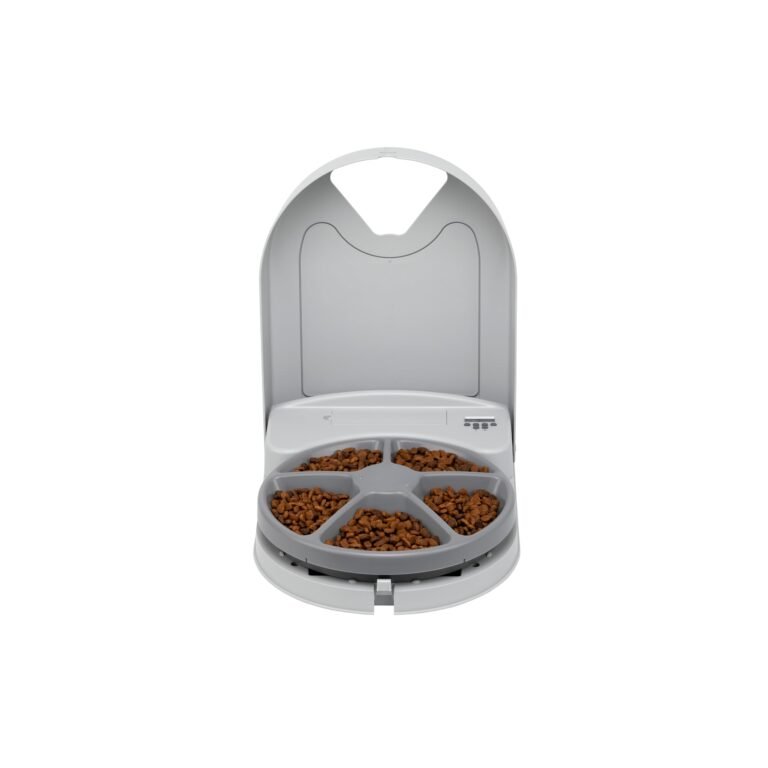
Try smaller meals more often. A wide, shallow dish may slow some cats. A puzzle feeder can help, but use one that your cat can use without frustration. Feed cats in separate rooms if another pet causes food competition.
Do not force a slow feeder on a cat that becomes upset or stops eating.
Hairballs
Hair can irritate the stomach. A cat may gag, cough, or vomit food with hair. However, not every episode of food coming up is a hairball.
Frequent vomiting should not be dismissed as “just hairballs.” The Cornell Feline Health Center advises veterinary attention for frequent vomiting, repeated unproductive retching, blood, pain, weakness, or changes in thirst, urination, or appetite.
Regular brushing can reduce loose hair. Never give human laxatives, oils, or hairball products unless a veterinarian tells you to use them.
A sudden food change or food intolerance
A new food, rich treat, table scrap, or spoiled food may upset the stomach. Some cats also react to a specific ingredient. Food reactions can cause vomiting, diarrhea, itching, or ear problems.
Change food slowly unless a veterinarian gives different advice. Keep treats small and avoid fatty foods, bones, dairy products, onions, garlic, and foods containing xylitol.
A true food trial should be planned with a veterinarian. Randomly changing foods can make the cause harder to find.
Esophagus problems
The esophagus carries food from the mouth to the stomach. A problem in this tube can cause repeated regurgitation of undigested food.
Possible causes include:
- Esophageal inflammation
- A narrowed section, called a stricture
- Poor movement of the esophagus
- A swallowed object
- A mass or other physical blockage
A cat with an esophagus problem may lose weight, drool, cough, have trouble swallowing, or bring up water as well as food. Food or liquid entering the lungs can cause aspiration pneumonia.
Repeated regurgitation needs a veterinary exam even if your cat still seems cheerful.
A swallowed object or intestinal blockage
Cats may swallow string, ribbon, rubber bands, plastic, foam, or small toys. A blockage can cause vomiting, poor appetite, pain, constipation, or low energy.
String is especially dangerous. If you see string under your cat’s tongue or coming from the rectum, do not pull it. Pulling can damage the digestive tract. Seek veterinary care at once.
A blockage can worsen quickly. A cat that repeatedly vomits and cannot keep water down should be treated as urgent.
Stomach or intestinal inflammation
Gastroenteritis means inflammation in the stomach or intestines. It may follow spoiled food, infection, parasites, a food reaction, or another trigger.
Signs can include:
- Vomiting more than once
- Diarrhea
- Belly pain
- Low energy
- Reduced appetite
- Dehydration
Kittens, older cats, and cats with chronic illness can become dehydrated faster. They need a lower threshold for veterinary care.
An underlying disease
Repeated vomiting can occur with kidney disease, liver disease, pancreatitis, diabetes, hyperthyroidism, inflammatory bowel disease, or cancer. The risk rises when vomiting comes with weight loss, increased thirst, increased urination, weakness, or a long-term appetite change.
The Merck Veterinary Manual notes that vomiting is a sign, not a disease. Finding the cause may require an exam, blood work, stool testing, X-rays, ultrasound, or other tests.

When should I call a veterinarian?
Call a veterinarian promptly if your cat has more than one unexplained episode, keeps bringing up food, or has a change in normal behavior. Repeated regurgitation also deserves an exam because the esophagus may be involved.
Seek same-day veterinary care for:
- Repeated vomiting or regurgitation
- Trouble keeping water down
- Blood or dark material that looks like coffee grounds
- A painful, swollen, or tense belly
- Severe weakness or collapse
- Trouble breathing or coughing after an episode
- Pale, white, blue, or gray gums
- No appetite, especially in an overweight cat
- Suspected toxin or medication exposure
- Suspected string, ribbon, toy, or other foreign object
- Vomiting with severe diarrhea
- Signs of dehydration
Go to an emergency veterinary clinic if your cat is collapsing, struggling to breathe, has a very painful abdomen, may have swallowed a toxin or foreign object, or cannot keep down even small amounts of water.
Do not wait for repeated episodes if the cat is very young, elderly, pregnant, or has diabetes, kidney disease, heart disease, or another serious condition.
What to do at home while you arrange care
Start by removing access to treats, plants, human food, medications, string, and small objects. Keep your cat indoors so you can watch eating, drinking, urination, and bowel movements.
Do not give human medicines. Acetaminophen, ibuprofen, naproxen, aspirin, and many other drugs can harm cats. Do not try to make your cat vomit unless a veterinarian or animal poison service specifically instructs you.
If your cat is alert and has had only one mild episode, offer access to fresh water. Do not force water into the mouth. For food, ask your veterinarian for advice, especially if the cat is young, overweight, or has a medical condition. Long periods without food can be risky for cats.
If toxin exposure is possible in the United States, call your veterinarian, an emergency clinic, or the ASPCA Animal Poison Control Center at 888-426-4435. A consultation fee may apply. You can also contact the Pet Poison Helpline at 855-764-7661.
Have this information ready:
- The cat’s age, weight, and medical history
- What the cat ate and when
- The number of episodes
- Whether the food was whole or partly digested
- Any blood, foam, bile, or unusual material
- Possible access to plants, drugs, chemicals, or objects
- Changes in stool, urine, thirst, energy, or appetite
- A photo or video of the episode

How to reduce repeat episodes if your cat is otherwise well
If a veterinarian finds no urgent illness, feeding changes may reduce episodes caused by fast eating.
Use smaller meals
Divide the daily amount of food into several smaller meals. Keep the total daily amount the same unless your veterinarian recommends a diet change.
Slow the meal
Try a shallow plate, a cat-safe slow feeder, or a food puzzle made for cats. Watch the first few meals. Some feeders are hard to clean or may cause frustration.
Feed cats separately
Competition can make cats eat too fast. Give each cat a quiet place to eat. Close the door for a short time if needed.
Keep a food and symptom log
Record:
- Meal time
- Food type and amount
- Treats
- Eating speed
- Time of the episode
- Appearance of the material
- Stool and urine changes
- Energy and appetite
A pattern can help a veterinarian decide whether the problem is linked to meal size, a certain food, or a medical condition.
Groom the coat
Brush your cat often enough to reduce loose hair. The right schedule depends on coat length and shedding. Stop if brushing causes fear or pain.
Do not rely on repeated over-the-counter hairball remedies for ongoing vomiting. A product may mask a problem or be unsafe for a cat with an obstruction.

What a veterinarian may check
A veterinarian will first ask about timing, meal size, food type, and the cat’s behavior during the episode. A physical exam may check hydration, body weight, gum color, abdominal pain, and signs of illness.
Testing depends on the findings. It may include:
- Blood and urine tests
- Fecal testing for parasites
- Abdominal X-rays
- Ultrasound
- Chest imaging if regurgitation or aspiration is suspected
- Endoscopy in selected cases
- A supervised diet trial
No single test fits every cat. For example, an X-ray may help find some foreign objects or blockage patterns, while ultrasound may give more detail about organs and intestinal walls.
Treatment depends on the cause. It may involve fluid support, prescription medicine, a special diet, removal of an object, or treatment for an underlying disease. Do not use leftover medicine from another pet.

Common mistakes to avoid
Assuming undigested food always means fast eating
Fast eating is common, but repeated episodes can signal an esophagus problem or blockage. Frequency matters.
Waiting because the cat still seems normal
Cats often hide illness. A cat can seem bright between episodes and still need care.
Withholding food for too long
Cats need regular nutrition. Long fasting can be harmful, especially for overweight cats. Ask a veterinarian how to manage food after vomiting.
Pulling on visible string
Never pull string from the mouth or rectum. It may be caught farther inside.
Giving milk, oil, or human medicine
These remedies can worsen stomach upset or create a toxic exposure. Use only treatments approved for your cat by a veterinarian.
Changing several things at once
If you change food, treats, feeding bowls, and supplements together, you may not know what helped or caused a problem. Make changes with a clear plan.
Key takeaways
- Whole food coming up soon after a meal may be regurgitation, not vomiting.
- Eating too fast can cause a mild episode, but repeated episodes need attention.
- A swallowed object, toxin, blockage, or illness can also cause undigested food to come up.
- Seek urgent care for repeated episodes, blood, pain, weakness, breathing trouble, toxin exposure, or suspected string.
- Do not give human medicine or pull on visible string.
- Record a video and symptom log for your veterinarian.
FAQs
Why does my cat throw up undigested food hours after eating?
Food that comes up hours later may be partly digested, but timing alone cannot identify the cause. Delayed vomiting can occur with stomach inflammation, slowed stomach emptying, obstruction, or other illness. Contact a veterinarian if it repeats or comes with poor appetite, pain, or low energy.
Is it normal for a cat to throw up after eating too fast?
It can happen, especially after a large meal. One brief episode in a cat that quickly returns to normal may not be an emergency. If it happens often, use smaller meals and arrange a veterinary exam.
Why does my cat regurgitate water?
Regurgitating water may point to a problem with swallowing or movement through the esophagus. It can also occur with severe nausea. Repeated water regurgitation needs prompt veterinary advice.
Should I feed my cat after it throws up?
Ask your veterinarian, because the answer depends on age, health, and the likely cause. Do not force food. Do not keep a cat without food for a long period unless a veterinarian gives clear instructions.
Can hairballs cause undigested food to come up?
Yes, hair can irritate the stomach and may come up with food. But frequent vomiting should not be labeled as hairballs without an exam. Repeated episodes may have another cause.
Conclusion
A cat that keeps throwing up undigested food may be eating too fast, but the pattern can also point to regurgitation, a swallowed object, stomach disease, or another medical problem. Watch the timing and effort, save a video, and track food and behavior.
If the episodes repeat, call your veterinarian. Treat blood, pain, weakness, breathing trouble, toxin exposure, and possible foreign objects as urgent problems. Prompt care gives your cat the best chance of finding and treating the real cause.