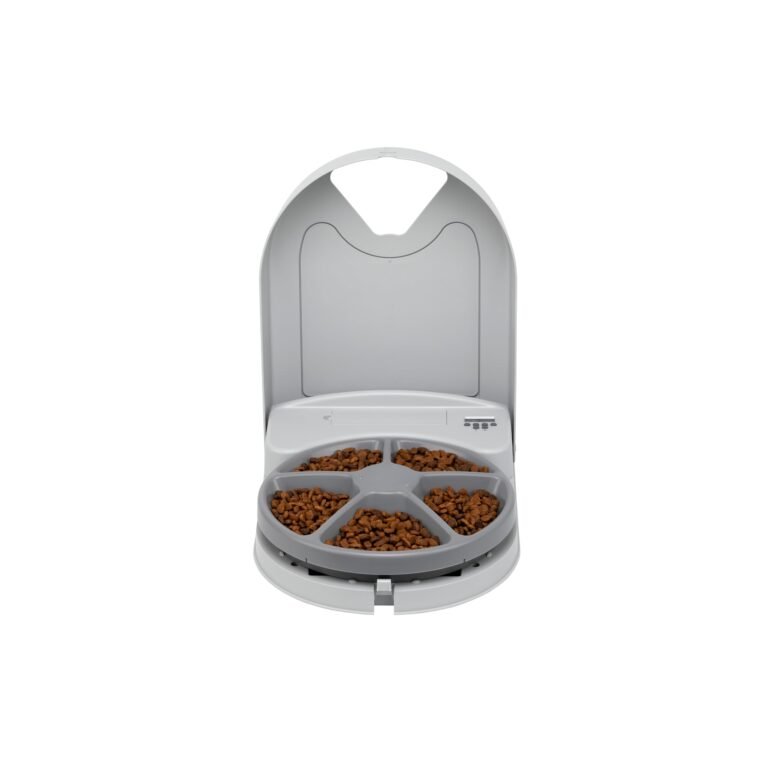
Use a moat, seal gaps, clean daily, and place baits safely away.
Ants love the smell of kibble, sugar, and grease. If they find your pet’s feeder, they move in fast. I’ve kept feeders ant-free in small apartments and hot, humid yards. In this guide on how to keep ants away from automatic pet feeder, I’ll show you simple, proven steps. You’ll learn what attracts ants, which barriers work, and how to set a routine that holds up in any season.

Why ants target automatic pet feeders
To learn how to keep ants away from automatic pet feeder, you must first know what draws ants in. Ants follow scent trails to carbs, fats, and water. Kibble dust, crumbs, and tiny leaks act like a neon sign.
- Feeders drip scent. Even sealed hoppers can vent aroma through seams and chute gaps.
- Floors keep a buffet. Oil, meat dust, and sugar film cling to tile and wood.
- Outdoor heat and rain push ants inside. Dry spells do too, as ants search for steady food and water.
- Some plastics hold odor. Old feeders lock in smells that attract scouts.
I track ant paths with a flashlight at night. You can see lines of workers moving along baseboards and cords. This shows where to focus your defenses.

Step-by-step plan: how to keep ants away from automatic pet feeder
This step-by-step shows how to keep ants away from automatic pet feeder with quick wins first, then durable fixes.
- Map the trail
- Watch for 5–10 minutes before sunset.
- Note entry points, wires, and wall edges.
- Deep clean the zone
- Remove feeder and bowls. Wash with hot, soapy water.
- Wipe floor and wall edge with vinegar and water. This cuts scent trails.
- Vacuum crumbs in cracks and under baseboards.
- Add a physical barrier
- Place feeder inside a shallow water moat tray. Keep water at least 0.25 inches deep.
- Or apply a thin ring of petroleum jelly on the stand base. Reapply weekly.
- Seal scent leaks
- Line chute seams with food-safe silicone once they’re dry.
- Stick foam weatherstrip around hopper lids for a tighter seal.
- Place safe ant baits away from pets
- Put ant baits 6–10 feet from the feeder, behind furniture or inside bait stations.
- Use as labeled. Keep out of pet reach. Baits kill the colony at the source.
- Set a clean feeding routine
- Run a quick wipe each night. Empty crumbs.
- Wash the bowl every 24–48 hours.
- Track and adjust
- If ants return, shift the feeder spot 3–5 feet.
- Refresh water moats and seals.

Safe barriers and repellents that work
These safe barriers help with how to keep ants away from automatic pet feeder. Choose one or stack two for best results.
Water moat base
- Use a plant saucer 1–2 inches wider than the feeder base.
- Keep the water clean. Add a drop of dish soap to break surface tension.
Petroleum jelly ring
- Spread a thin, even ring where ants would cross.
- Great for short-term control or travel.
Food-grade diatomaceous earth (DE)
- Lightly dust a ring under a mat around the feeder stand.
- Keep dust minimal and away from pet noses and eyes. Reapply after mopping.
Ant-proof stands and elevated trays
- Elevate legs on smooth glass coasters.
- Ants struggle to grip slick glass and steel.
Sticky barriers on legs
- Apply a narrow band of sticky barrier (labeled for insects) on stand legs only.
- Keep fur clear. Replace often to avoid dust build-up.
Safety note: Skip essential oils near cats. Many are not cat-safe (like tea tree, peppermint). For dogs, avoid skin contact and strong vapors. When in doubt, use physical barriers first.

Cleaning and scent control routine
Cleaning is core to how to keep ants away from automatic pet feeder. Ants follow tiny trails that we can’t see. Remove the trail, and scouts quit coming.
Daily
- Wipe the base, cords, and floor with warm, soapy water.
- Dry the area. Damp floors draw more ants.
Twice a week
- Wash the food bowl with hot water and dish soap.
- Brush the chute to remove dust and oil.
Weekly
- Empty and wash the hopper. Dry fully before refilling.
- Use a mild vinegar rinse to neutralize scent.
Pro tip: Store kibble in an airtight bin with a silicone gasket. Open it away from the feeder so food smells don’t collect at the machine.
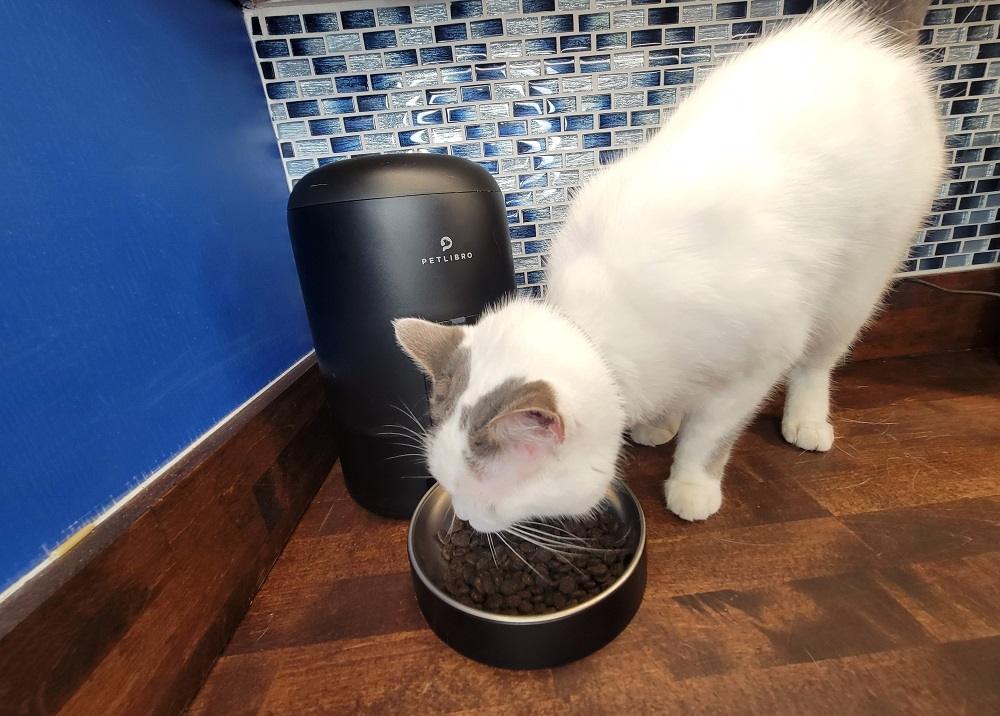
Placement and environment: indoor vs outdoor
Placement affects how to keep ants away from automatic pet feeder. A small move can block a highway of ants.
Indoors
- Keep the feeder 3–6 inches off the wall to break corner trails.
- Avoid direct sun, which can vent aroma and warp plastic.
- Place on easy-clean tile or a washable mat.
Outdoors
- Use a raised porch or paved slab, not soil.
- Add a double barrier: water moat plus glass coasters.
- Trim plants that bridge onto the feeder.
Weather shifts
- After heavy rain, refresh baits and check seals.
- In heat waves, scout more often. Ants get active at dusk.

Sealing and hardware upgrades
Sealing is key in how to keep ants away from automatic pet feeder. Close gaps, and you starve the trail.
- Hopper lid seal. Add a silicone gasket or foam weatherstrip.
- Chute flap. If it leaks, install a soft rubber flap or felt strip.
- Cord grommet. Fit a small grommet where the cord meets the body.
- Screw holes. Dab food-safe silicone on unused holes.
If you buy a new unit, look for thicker gaskets, tighter chutes, and a raised base. Stainless parts and glass bowls also hold less scent.

Testing and monitoring your setup
Testing ensures how to keep ants away from automatic pet feeder stays on track. Small checks save big headaches.
- Sugar test. Place a tiny dab of honey 2 feet from the feeder. If ants hit the honey but not the feeder, your barrier holds.
- Flour dust. Lightly dust a line near the wall. Look for tracks the next day.
- Log it. Note date, weather, and any trails. Patterns will stand out.
Adjust one thing at a time. Change the moat depth, move the feeder, or rotate bait brands. Track what works for your home.

Common mistakes to avoid
Avoid errors that undo how to keep ants away from automatic pet feeder. I’ve made most of these once. Never again.
- Letting water moats dry out. A dry moat is a bridge.
- Piling kibble high in open bowls. Smaller, fresh portions reduce smell.
- Using strong oils near cats. Choose physical barriers first.
- Setting baits beside the feeder. Place baits away, along ant paths.
- Skipping hopper cleans. Old oils trap scent.

Buyer’s guide: ant-resistant feeder features
Shop features that support how to keep ants away from automatic pet feeder. A good design does half the work for you.
- Tight lid with a silicone gasket. Blocks scent and moisture.
- Narrow, self-closing chute. Less odor leak, fewer crumbs.
- Smooth, non-porous bowl. Stainless or glass cleans fast.
- Elevated base or moat-ready tray. Easy to add barriers.
- Detachable parts. Quick to wash and dry.
- Battery backup. Keeps schedules steady during outages.
Nice-to-have
- Desiccant port in lid to reduce odor and moisture.
- Cable management clips to lift cords off the floor.
Real-life results and tips from the field
These stories prove how to keep ants away from automatic pet feeder works in the real world.
Apartment with sugar ants
- I found ants trailing a heater pipe. I moved the feeder 4 feet, added a water moat, and sealed the chute. Ants hit a bait in the hall instead. No ants in two weeks.
Suburban patio with rain
- Outdoor feeder on a wood deck drew ants after storms. A glass coaster under each leg plus a shallow moat stopped them. Weekly cleans kept it stable.
Busy family with two cats
- Crumbs piled up fast. We set a 60-second nightly wipe routine and swapped to a gasket lid model. We also stored kibble in a tight bin. Trails ended in three days.
Lessons learned
- Two light barriers beat one heavy repellent.
- Routine wins. A tiny daily clean outperforms a rare deep scrub.
- Seals matter more than sprays. Close gaps, then spot-treat.
Frequently Asked Questions of how to keep ants away from automatic pet feeder
What is the quickest way to stop ants today?
Use a water moat under the feeder and wipe all scent trails with soapy water. Place ant baits 6–10 feet away, along the trail.
Are essential oils safe to use around pet feeders?
Avoid oils near cats, and be cautious with dogs. Choose physical barriers like water moats, glass coasters, and sealed lids first.
Can I use diatomaceous earth around my pet’s feeder?
Yes, if it is food-grade and used lightly. Keep dust away from pet faces and reapply after cleaning.
Do I need to clean the hopper or just the bowl?
Clean both. The hopper holds odor and oils that attract scouts, so wash and dry it weekly.
Will ant baits attract more ants to the feeder?
Baits attract ants to the bait, not the feeder, when placed along trails away from pets. Keep them in covered stations and follow labels.
Conclusion
Ant control is simple when you stack the right habits. Clean the zone, seal the feeder, add a physical barrier, and place baits safely away. With a short daily wipe and a weekly reset, your feeder can stay ant-free all year.
Start today. Build a water moat, tighten the lid seal, and map one ant trail. Want more practical pet care tips like this? Subscribe and share what worked for you in the comments.