
Daily vomiting is not normal for a cat. A cat may vomit because of a mild stomach upset, but repeated vomiting can also point to a blockage, kidney disease, diabetes, parasites, food problems, or another illness. Your cat should see a veterinarian soon, even if they seem calm between episodes.
Go to an emergency veterinary hospital now if your cat has blood in the vomit, severe pain, trouble breathing, collapse, repeated dry heaving, a swollen belly, or possible access to a toxin or foreign object. In the United States, you can call your veterinarian, a local emergency clinic, or the ASPCA Animal Poison Control Center at 888-426-4435. Fees may apply.
First, check whether your cat is vomiting or regurgitating
Vomiting and regurgitation look similar, but they often have different causes.
Vomiting is an active process. Your cat may:
- Lick their lips
- Drool
- Swallow often
- Crouch
- Heave or tighten the belly
- Bring up food, fluid, foam, or bile
Regurgitation is more passive. Food may come up soon after eating with little effort. The food often looks whole and may be shaped like a tube. Regurgitation can involve problems in the esophagus, eating too fast, or swallowing too much food at once.
A short video can help your veterinarian tell the difference. Note when the event happens, what comes up, and whether your cat acts sick before or after it.
Common reasons a cat throws up every day
Daily vomiting has many possible causes. Some are mild, but others need prompt treatment. A veterinarian must examine your cat to find the real cause.
Eating too fast or eating too much
Some cats gulp food. They may vomit soon after a meal and bring up mostly undigested food. This may happen with dry food, treats, or large meals.
Eating too fast does not explain every case of daily vomiting. If your cat keeps vomiting after smaller meals, the problem may be more than eating speed.
Your veterinarian may suggest:
- Smaller meals given more often
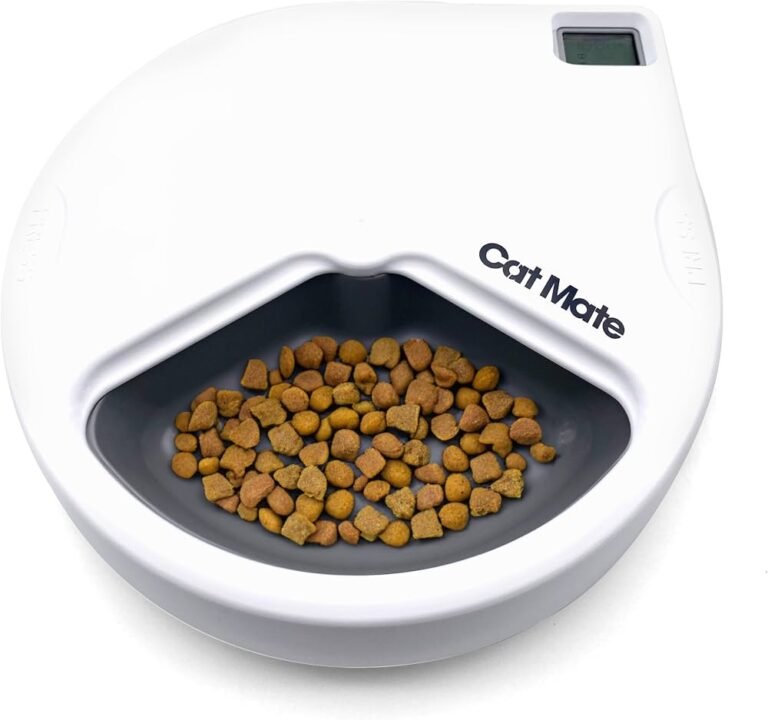
- A slow-feed bowl
- A food puzzle made for cats
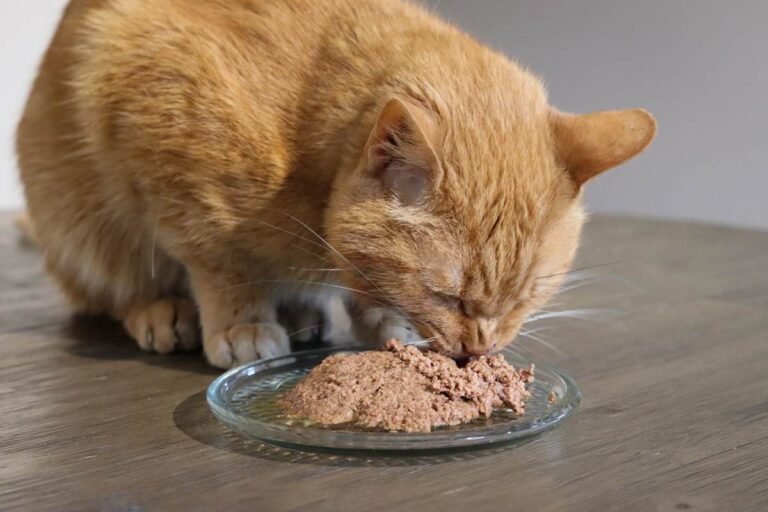
- Spreading wet food on a flat plate
- Separating cats that compete for food
Do not use a puzzle feeder if your cat becomes upset or cannot eat enough.
Hairballs
Hairballs can cause gagging and vomiting, especially in cats that groom a lot. However, frequent vomiting should not be dismissed as “just hairballs.”
A cat with repeated hairballs may have:
- Heavy shedding
- Fleas or skin disease
- Stress-related overgrooming
- Pain
- A long coat that needs more care
- A stomach or intestinal problem
Brush your cat with a tool that suits their coat. Ask your veterinarian before using hairball gels, oils, laxatives, or supplements. Some products can cause problems if used the wrong way.
Food intolerance or a food allergy
A new food, new treat, sudden diet change, or food intolerance can lead to vomiting. Some cats also develop loose stool, gas, itchy skin, or ear problems.
Food allergies are less common than many owners think. A proper diet trial is more useful than changing foods again and again. A veterinarian may recommend a prescription diet for a set period. The trial only works if your cat eats that diet and no other food, treats, or flavored medicines.
Change food slowly unless your veterinarian tells you otherwise. A sudden change can cause stomach upset.
Parasites
Roundworms, hookworms, Giardia, and other parasites may cause vomiting. The risk can be higher in kittens, outdoor cats, cats that hunt, and cats with contact with infected animals.
Parasites may also cause:
- Diarrhea
- Weight loss
- A dull coat
- Poor growth
- A swollen belly in kittens
- Worms or unusual material in stool or vomit
A stool test may be needed. Do not give a human dewormer or a dog product to a cat. Some dog products contain ingredients that are dangerous to cats.
Foreign objects and intestinal blockage
Cats may swallow string, ribbon, yarn, rubber bands, hair ties, plastic, or small toys. A blockage can cause repeated vomiting and may become life-threatening.
Possible signs include:
- No interest in food
- Little or no stool
- Belly pain
- Hiding
- Weakness
- Repeated vomiting
- Pawing at the mouth
- A visible string
Never pull string from your cat’s mouth or rectum. Pulling can tear the intestine. Seek emergency veterinary care instead.
Kidney disease
Kidney disease is common in older cats. It can cause nausea and vomiting as waste products build up in the blood.
Other signs may include:
- Drinking more
- Urinating more
- Weight loss
- Poor appetite
- Bad breath
- Low energy
- Dry or tacky gums
Kidney disease can also occur in younger cats, especially after toxin exposure or certain health problems. Blood tests and urine tests help check kidney function.
Hyperthyroidism
An overactive thyroid gland can affect older cats. It may cause vomiting, weight loss, increased hunger, thirst, and restlessness.
Some cats become more active, while others grow weak. A blood test can help identify this condition. It is treatable, but the treatment depends on the cat’s overall health.
Diabetes and other metabolic disease
Diabetes can cause vomiting in advanced cases. It often causes increased thirst, increased urination, weight loss, and changes in appetite.
Liver disease, pancreatitis, and electrolyte problems can also cause vomiting. These conditions may look alike at home. They need veterinary testing.
Inflammatory bowel disease or intestinal cancer
Some cats develop long-term inflammation in the stomach or intestines. Others develop lymphoma or another intestinal tumor. These problems may cause chronic vomiting, weight loss, diarrhea, or poor appetite.
A cat may still eat and act fairly normal in the early stages. That does not rule out disease. Blood tests, ultrasound, biopsy, or other tests may be needed.
Toxins and unsafe medicines
Cats can become ill after contact with:
- Lilies
- Human pain medicine
- Antidepressants
- ADHD medicine
- Cannabis products
- Antifreeze
- Certain insecticides
- Cleaning products
- Essential oils
- Toxic foods
- Dog flea products with permethrin
Lilies are especially dangerous. Even small amounts of some lilies can cause kidney failure in cats.
Do not wait for signs after a possible poisoning. Call your veterinarian or a pet poison service at once. Do not make your cat vomit unless a veterinary professional tells you to do so. Hydrogen peroxide is not a safe home treatment for cats.

When daily vomiting is an emergency
Daily vomiting needs a prompt veterinary appointment. Some signs mean your cat should be seen immediately.
Seek emergency care if your cat:
- Vomits several times in a short period
- Cannot keep water down
- Has blood or dark material in the vomit
- Has black, tar-like stool
- Seems weak, confused, or hard to wake
- Has pale, white, blue, or yellow gums
- Has severe belly pain or a swollen abdomen
- Repeatedly retches without bringing anything up
- Stops eating
- May have swallowed string, plastic, medication, or a toxic plant
- Is a kitten, senior cat, or cat with a known disease
- Shows signs of dehydration
Dehydration can develop faster when vomiting occurs with diarrhea, heat, kidney disease, or poor drinking. A dry mouth, weakness, sunken eyes, and poor skin elasticity can be warning signs, but home checks are not reliable enough to rule out dehydration.
Do not force food or water into a vomiting cat. This can increase stress and may cause aspiration. Offer no medication unless your veterinarian gives the dose and product.
What to do before the veterinary visit
A few simple steps can help your cat and give the veterinarian useful information.
1. Record the vomiting
Write down:
- The time of each episode
- The amount
- The color and texture
- Whether food was whole or digested
- Any hair, grass, blood, or foreign material
- What your cat ate in the prior 24 hours
- Whether your cat drank, urinated, and passed stool
- Any changes in weight or behavior
Take a photo or video when safe. A video may show whether the event is vomiting, coughing, or regurgitation.
2. Remove possible hazards
Check your home for:
- Missing string or small objects
- Open medicine bottles
- Toxic plants
- Human food
- Cleaning products
- Essential oils
- Accessible trash
- Dog flea treatments
Bring the product label or a photo of it if exposure may have occurred.
3. Keep water available
Do not withhold water for long periods unless a veterinarian directs you to. A cat that cannot keep water down needs urgent care.
Keep the water bowl clean and easy to reach. A fountain may help some cats drink, but it will not treat the cause of vomiting.
4. Avoid home remedies
Do not give:
- Pepto-Bismol
- Ibuprofen
- Acetaminophen
- Aspirin
- Hydrogen peroxide
- Milk
- Oils
- Human antacids
- Leftover prescription medicine
Some human products are toxic to cats. Even a product that is safe for people may be unsafe at a cat’s much smaller dose.
How a veterinarian may find the cause
Your veterinarian will start with a history and physical exam. They may ask about food, treats, medications, plants, hunting, travel, other pets, stool, urine, and weight changes.
Possible tests include:
- Blood work
- Urinalysis
- Fecal testing
- X-rays
- Abdominal ultrasound
- Pancreatitis testing
- Thyroid testing
- Endoscopy or biopsy in selected cases
The best test depends on the pattern. For example, a cat that vomits after eating may need a different workup from a cat that is losing weight and drinking more.
Treatment may include fluids, anti-nausea medicine, parasite treatment, a diet plan, or surgery. The treatment must match the cause. Anti-vomiting medicine may reduce the symptom while a blockage or toxin remains.
Can a cat vomit every day and still seem normal?
Yes. Cats often hide illness. A cat may greet you, purr, and eat small meals while a serious problem develops.
A normal mood does not make daily vomiting safe. Weight loss, changes in thirst, litter box changes, and reduced grooming may be easier to spot than pain.
Track your cat’s weight if you can do so safely. A kitchen scale may work for a small cat, or you can weigh yourself while holding the cat and subtract your weight. This is only a rough home measure. A steady downward trend matters more than one reading.
How to reduce vomiting after your veterinarian rules out serious disease
Once your veterinarian has checked for illness, you can work on feeding and home habits.
Try these steps only if they fit your veterinarian’s plan:
- Feed small meals at regular times.
- Use a slow feeder if your cat gulps food.
- Make diet changes over several days.
- Limit treats and table scraps.
- Brush your cat often if they have a long coat.
- Use flea control recommended for cats.
- Keep string, plants, medicine, and chemicals out of reach.
- Feed cats separately if food competition is a problem.
- Keep a simple vomiting log.
- Schedule a recheck if vomiting continues.
Do not keep switching foods without a plan. Too many changes can make the pattern harder to understand and may upset the stomach.

Common mistakes cat owners make
Calling daily vomiting normal
Occasional vomiting can happen, but daily vomiting needs a medical check. Frequent vomiting can lead to dehydration, poor nutrition, and weight loss.
Blaming every episode on hairballs
A hairball may be present, but that does not prove it caused the problem. Repeated vomiting needs a broader review.
Waiting for a cat to stop eating
Cats that stop eating can develop serious liver problems, especially if they are overweight. Contact a veterinarian promptly when appetite drops.
Giving human medicine
Many common pain medicines are dangerous to cats. Never guess the dose or use leftover medicine from another pet.
Pulling out string
A string can be attached inside the body. Pulling it may cause severe internal injury.
Delaying care after toxin exposure
Poison treatment often works best before severe signs begin. Call right away rather than waiting to see what happens.
Frequently asked questions
Is it normal for a cat to throw up once a day?
No. Vomiting once a day is frequent enough to warrant a veterinary appointment. The need is more urgent if your cat also loses weight, eats less, seems weak, or cannot keep water down.
Why is my cat throwing up white foam?
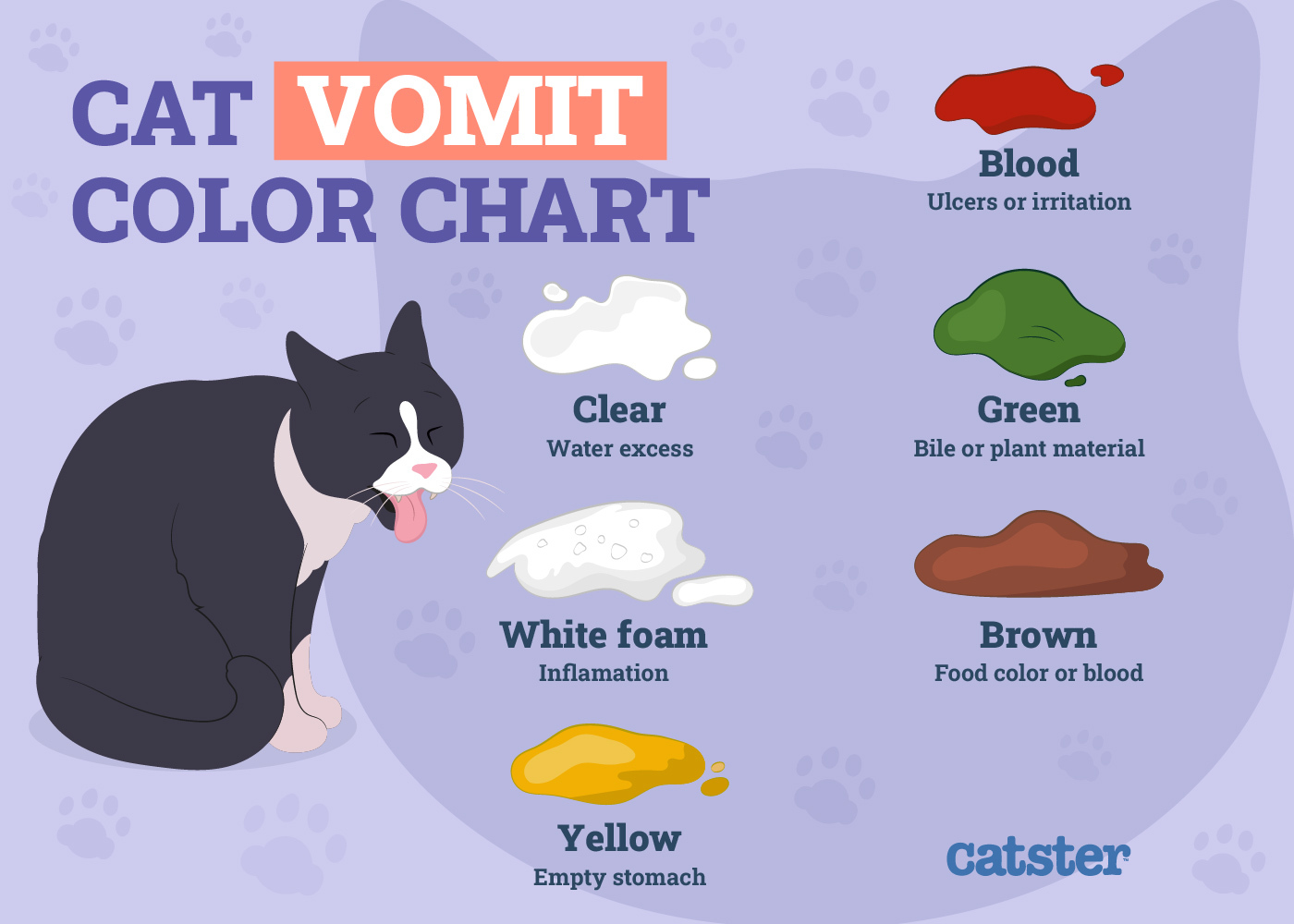
White foam can come from an empty or irritated stomach. It can also occur with hairballs, inflammation, pancreatitis, toxins, or a blockage. The color alone cannot identify the cause.
Why is my cat vomiting yellow liquid?
Yellow liquid often contains bile. It may appear when the stomach is empty, but it can also occur with gastrointestinal disease or repeated vomiting. Daily yellow vomiting needs veterinary care.
Should I stop feeding my cat after vomiting?
Do not make a long fasting plan without veterinary advice. Cats can become ill when they do not eat. Ask your veterinarian how to offer food safely, especially if your cat vomits again or has another disease.
Can changing cat food stop the vomiting?
It may help if a diet change or food intolerance is involved, but random food changes can make the problem worse. Use a gradual change or a veterinary diet plan.
What if my cat vomits but acts fine?
Call your veterinarian if the vomiting happens every day. Cats often hide illness, so normal behavior does not rule out a serious cause.
Key takeaways
- Daily vomiting is not normal for a cat.
- Common causes include fast eating, hairballs, parasites, food reactions, disease, toxins, and foreign objects.
- Blood, pain, weakness, repeated retching, toxin exposure, or inability to keep water down are emergency signs.
- Do not give human medicine, hydrogen peroxide, oils, or home remedies.
- Record the timing, appearance, food, behavior, and litter box changes.
- Arrange a veterinary exam soon, even if your cat appears well.
Conclusion
If your cat throws up every day, do not assume it is only a hairball or a sensitive stomach. Daily vomiting can be an early sign of a condition that needs treatment. Call your veterinarian, watch for emergency signs, and keep your cat away from medicines, toxins, string, and small objects.