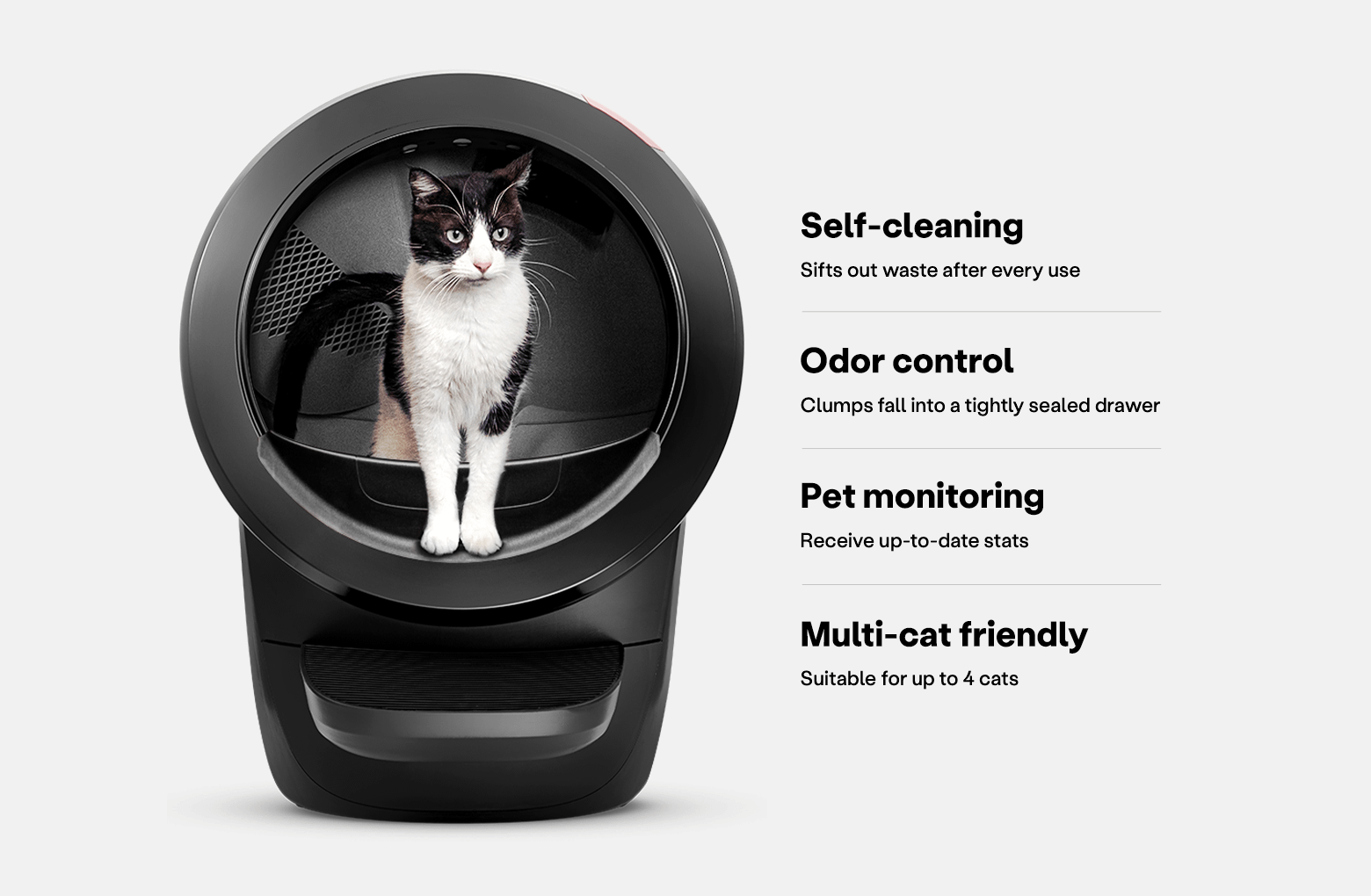
Introduce the box while it’s off, match the litter, and go slow with rewards.
If you want to know how to get cat to use automatic litter box, you’re in the right place. I’ve helped many owners make this switch with calm steps, smart gear picks, and kind training. Below, I break down how to get cat to use automatic litter box with clear plans, real-life tips, and expert-backed advice you can use today.

Why Cats Hesitate With Automatic Litter Boxes
Cats value safety, scent, and routine. A new device that hums, moves, or smells odd can feel risky. Some cats dislike covered boxes or high sides. Others avoid strong scents, crystal pellets, or a slick entry ramp. Past bad box experiences can also prime fear.
Health can be a hidden cause. Pain from arthritis, a UTI, or constipation can link the box to stress. That can drive accidents. A quick vet check is smart if your cat starts avoiding any box.
Give time, keep the area calm, and honor your cat’s comfort zone. This is the base of how to get cat to use automatic litter box.
Pick the Right Automatic Litter Box
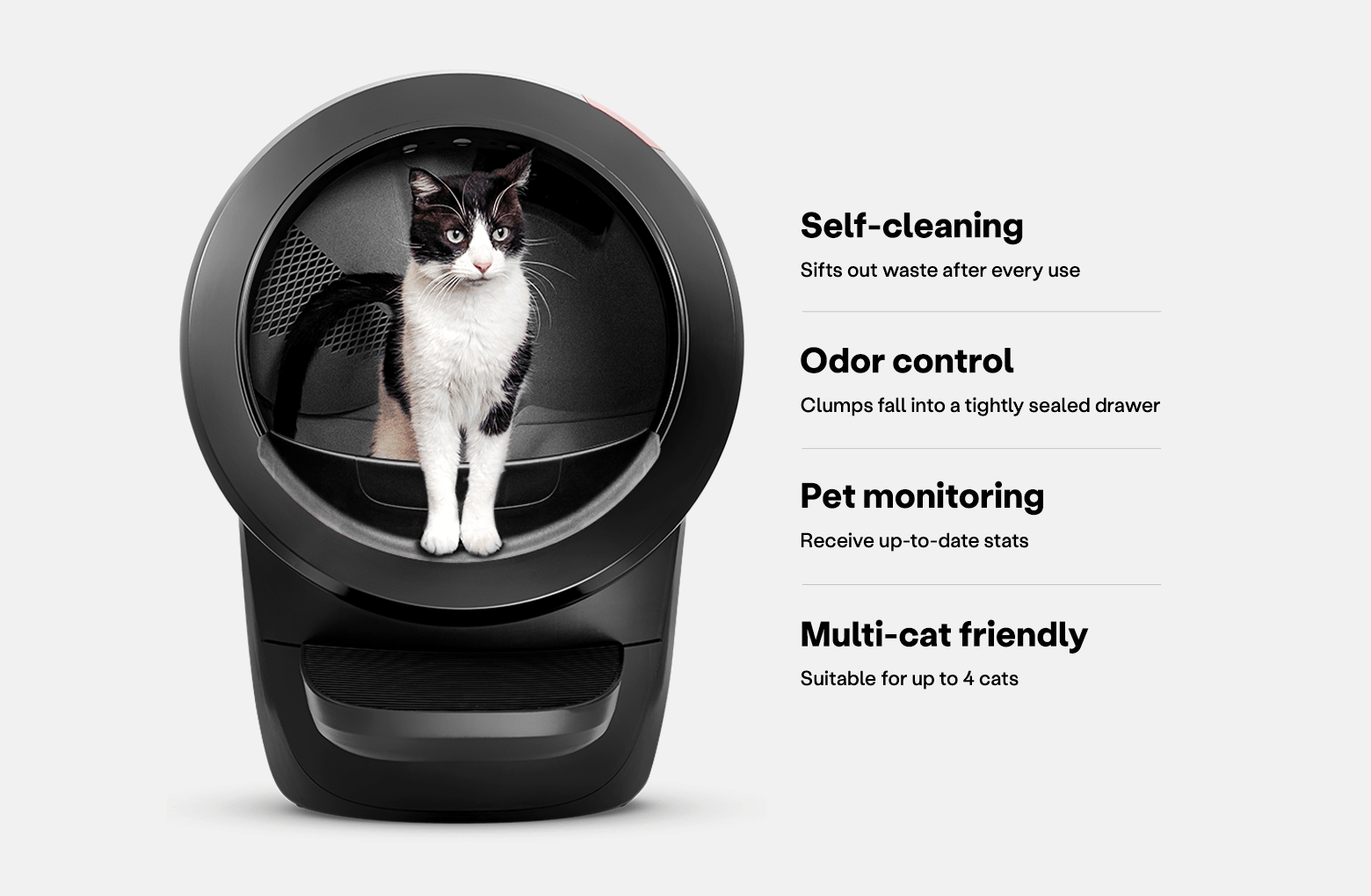
The best box fits your cat and your space. Look for:
- Size and entry: Choose a roomy pan. A low step or ramp helps older or small cats.
- Noise and motion: Quieter motors and gentle cycles reduce fear. Adjustable cycle delays help.
- Litter type: Make sure it works with your cat’s current litter. Many cats prefer fine, unscented, clumping clay.
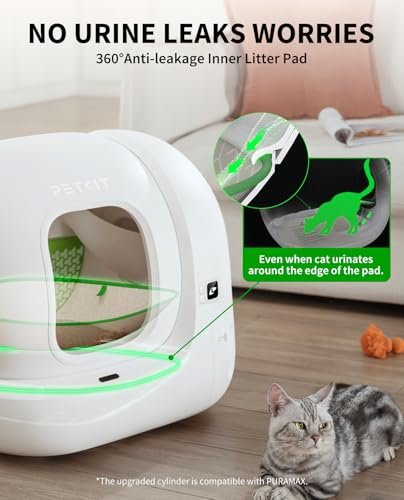
- Safety sensors: Dual sensors stop the cycle if a cat re-enters.
- Ease of cleaning: Removable rake or drum, washable liner, and clear waste drawer.
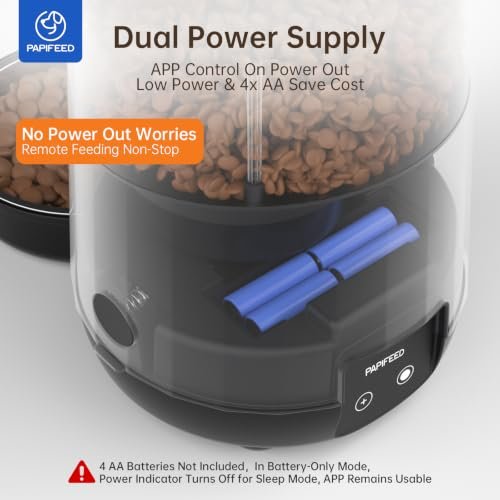
- Power and app features: Battery backup and alerts for jams or a full drawer are useful.
Match the box to your cat first, not to your wish list. This choice fuels how to get cat to use automatic litter box.

Step-by-Step Training Plan That Works
A simple schedule helps most cats adapt. Here is a plan I use with clients:
-
Day 1–2: Place the new box next to the old one. Power off. Use the same litter brand and depth. Drop a few treats nearby.
-
Day 3–4: Scoop a cup of used litter from the old box into the new one. Keep both boxes clean.
-
Day 5–7: Feed near the new box (not too close). Praise and treat when your cat sniffs or steps inside.
-
Day 8–10: Turn the box on only when your cat is in another room. Let it run once a day so they hear it from afar.
-
Day 11–14: Set a longer cycle delay (10–15 minutes) so it never runs right after use. Keep the old box but scoop it less often.
-
Day 15+: Move the old box a few feet each day toward the door. Remove it after three days with no accidents.
Go slow if your cat is shy. Drop back a step if you see stress. This is the heart of how to get cat to use automatic litter box.

Scent, Litter, and Comfort
Cats follow their nose. Keep the litter brand, texture, and depth the same at first. Most cats like 2–3 inches of fine, unscented, clumping clay. Mix in a cup of used litter so the new box smells familiar.
Try a cat attractant litter if needed. Avoid strong cleaners or perfumes. A soft mat in front can help sensitive paws and catch tracks. A small pheromone diffuser near (not on) the box can lower stress.
These small comfort cues matter in how to get cat to use automatic litter box.

Placement, Noise, and Routine
Pick a quiet, low-traffic spot. Avoid rooms with thumping washers or sudden doors. Keep boxes away from food and water. Provide light at night so your cat can see the entry.
Set a long cycle delay so the unit runs well after use. Let it clean while you are out or during a calm time. Keep the unit level and stable. Cats crave routine, so do not move the box often.
Smart placement supports how to get cat to use automatic litter box.
Troubleshooting: What To Do If Your Cat Still Avoids It
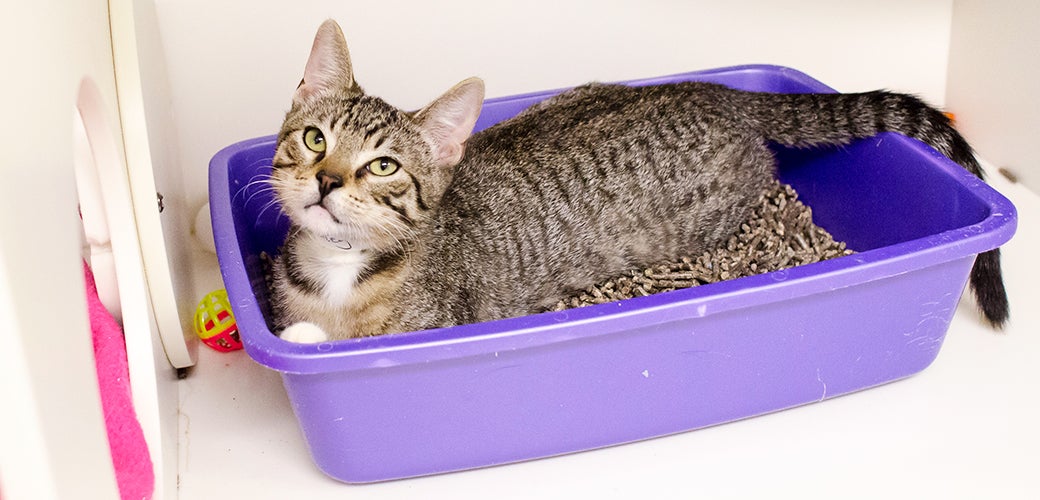
If your cat balks, look for the cause and make one change at a time.
- If noise scares them: Turn the unit off for a week. Restart with a longer delay. Reward visits.
- If litter feels odd: Switch back to the old brand. Change only 25% at a time.
- If the entry is hard: Add a ramp or step. Lower the litter depth if it clumps on paws.
- If guarding happens: Use an open-top unit or more than one box. Give line-of-sight escapes.
- If accidents start: Add a simple, open, non-automatic box while you retrain. Rule out pain with a vet visit.
- Track behavior: A small camera can show what spooks your cat and when.
A calm reset is often all it takes in how to get cat to use automatic litter box.
For Multi-Cat Homes
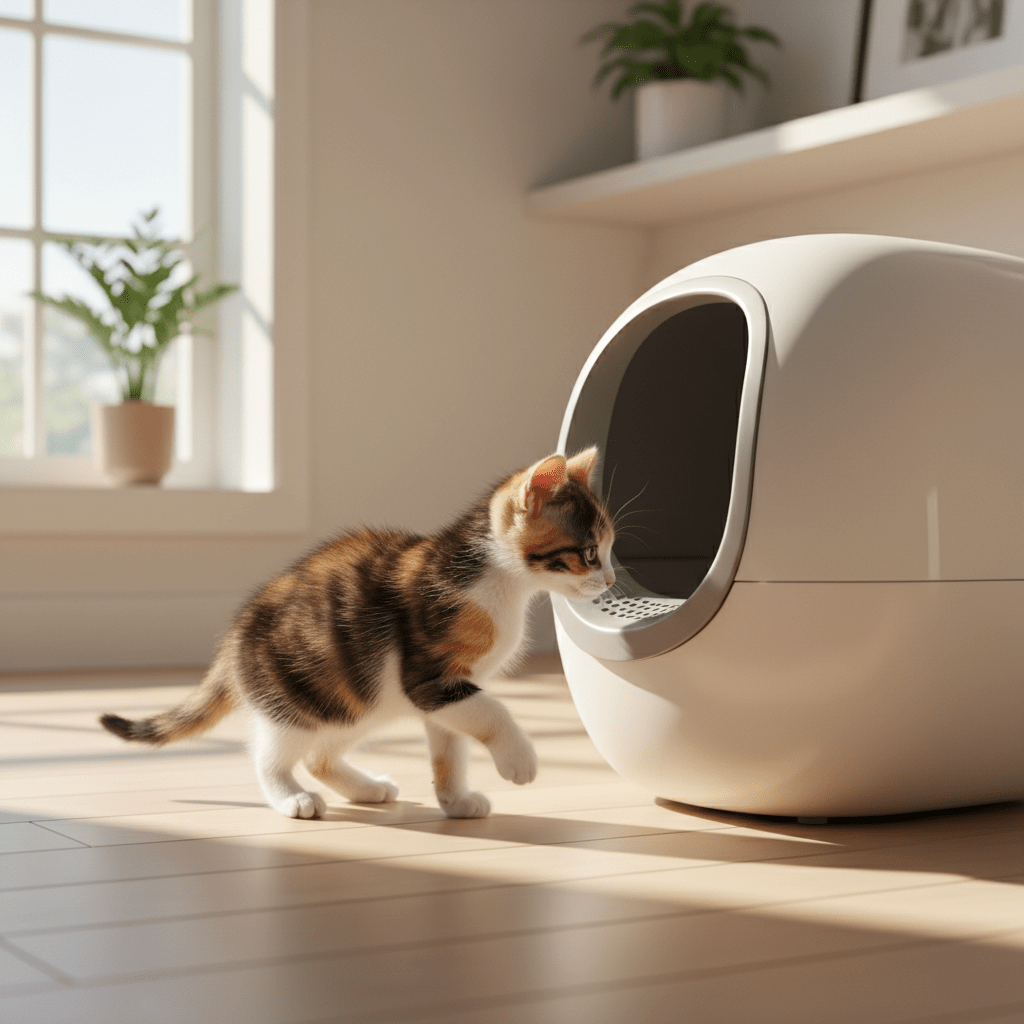
Give one box per cat, plus one extra. Spread boxes in different rooms to reduce guarding. Avoid tight corners where a shy cat can feel trapped.
Train the most confident cat first. Their success often draws others in. Keep at least one regular box during the transition. Rotate who gets supervised time near the new unit. This team plan improves how to get cat to use automatic litter box.
Benefits and Limitations
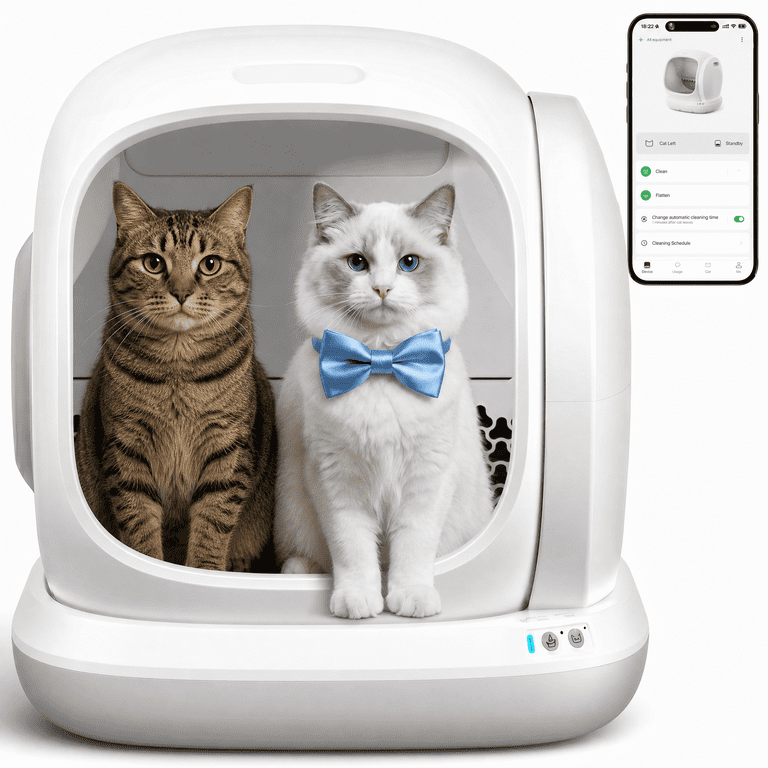
Automatic boxes can help you stay on top of waste. That keeps the box clean, which cats prefer. Many owners see less odor, better hygiene, and fewer daily chores. Some units track visits and help you spot health changes early.
There are trade-offs. Units can be loud, jam with heavy clumps, or need a specific litter. Power loss or sensor fails can happen. Very large cats, tiny kittens, or cats with mobility issues may struggle with some designs. Keep a backup plan.
Set clear expectations and you will master how to get cat to use automatic litter box.

Safety and Hygiene Best Practices
Check sensors often and test the stop feature. Do not let the unit run while a kitten or small cat is inside. Many makers set weight minimums for safety.
Scoop stray clumps, empty the drawer on schedule, and wash the pan monthly with mild soap. Avoid harsh scents and dust-heavy litters. Research in feline behavior shows cats prefer clean boxes and fine, unscented litter. A clean, safe setup builds trust and speeds how to get cat to use automatic litter box.
Frequently Asked Questions of how to get cat to use automatic litter box
How long does it take to train a cat to use an automatic litter box?
Most cats adapt in 2–3 weeks with slow steps and rewards. Shy cats may need 4–6 weeks and smaller changes.
Can kittens use automatic litter boxes?
Kittens under many units’ weight limits should not use them unattended. Keep the unit off until they are big enough and confident.
What litter works best for training?
Fine, unscented, clumping clay mimics sand and feels safe for most cats. Change brands only after your cat uses the new box well.
My cat fears the noise. What should I do?
Turn the unit off for a week and reward calm visits. Restart with a long delay so it never runs right after use.
Should I remove the old box right away?
No. Keep the old box during the switch and clean it less than the new one. Remove it only after several days with no accidents.
Where should I put the automatic litter box?
Pick a quiet, low-traffic room away from food and water. Ensure easy entry and a clear escape route.
How do I stop accidents on rugs during training?
Add a simple open box where the accidents happen, then inch it toward the new unit. Clean spots with an enzyme cleaner so the smell does not cue repeats.
Conclusion
You can teach almost any cat to trust a self-cleaning box with calm steps, steady routine, and the right gear. Start with the same litter, a quiet spot, and a slow power-on plan. If your cat stalls, make one small change, reward often, and give time.
Use this guide today to map your plan for how to get cat to use automatic litter box. Try the two-week schedule, track progress, and share what works for you. Want more tips? Subscribe for fresh step-by-step advice and proven cat-care checklists.